The Psychology Behind Funny License Plates and Why Drivers Love Them
June 25, 2026 - 20:58
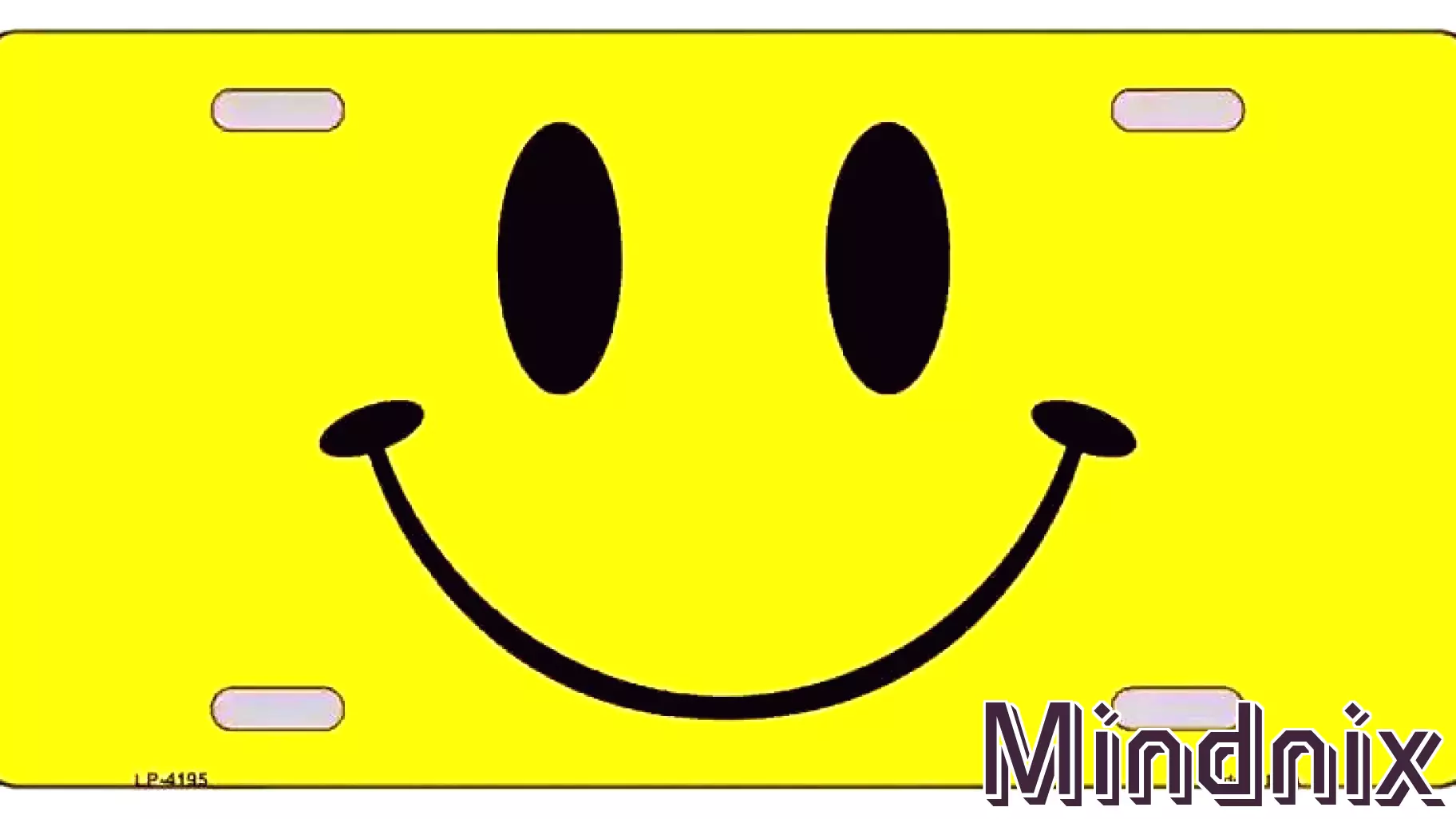
A vehicle communicates something about its owner, but a license plate can say even more. On highways and in parking lots, plates with clever wordplay or deadpan absurdity draw second glances and genuine reactions with surprising consistency. That response is not accidental. There is measurable psychology behind why certain drivers choose humorous plates and why the rest of us find them so hard to ignore.
At its core, a personalized plate is a small billboard for identity. Psychologists point to the concept of self-presentation, the drive to control how others perceive us. A funny plate signals that the driver does not take themselves too seriously. It is a low-stakes way to project humor, intelligence, or a shared cultural reference before a single word is spoken. For the driver, the reward is immediate. A honk, a thumbs-up, or a smile at a stoplight provides a quick hit of social validation.
The humor itself often relies on incongruity. A plate reading "GR8 MND" on a rusted sedan or "SLOWPOKE" on a sports car creates a mismatch between expectation and reality. This cognitive friction triggers a laugh because the brain enjoys resolving the puzzle. The plate becomes a tiny joke that the driver has set up for the audience.
There is also an element of territorial play. In the anonymous flow of traffic, a funny plate reclaims a sliver of individuality. It transforms a government-issued identifier into a personal statement. Drivers report feeling more connected to their vehicle and more visible on the road. For many, it is a harmless rebellion against the monotony of commuting.
Of course, not everyone finds them amusing. Some plates cross into bad taste or baffling obscurity. But the vast majority succeed because they tap into a universal human need: to be seen as clever, relatable, or just a little bit weird. In a world of automated tolls and generic sedans, a well-chosen plate remains one of the last honest handshakes between strangers on the asphalt.
MORE NEWS

August 9, 2026 - 14:37
Support Players Don't Avoid Pressue, They Carry Games Differently To DPS PlayersThere is a long-running joke in competitive shooters that support players are just DPS players who missed their shots. That idea is tired and wrong. Supports are not filling a role because they...

August 8, 2026 - 17:07
The Unfragile MindThe numbers keep climbing. Across Western countries, reports of anxiety, depression, and burnout are hitting record highs. Every new study seems to confirm that something is deeply wrong. But the...

August 8, 2026 - 01:55
When Friends Never Disappoint: AI Companions in MidlifeFor many people in their forties and fifties, the social calendar gets quieter. Kids grow up, careers peak, and old friends scatter across time zones. Loneliness in midlife is a real and growing...
August 6, 2026 - 19:58
Educational psychologists warn of growing pressure on children's servicesEducational psychologists are raising concerns that growing backlogs in Education, Health and Care Needs Assessments, or EHCNAs, are forcing them to abandon early intervention work. The mounting...