The psychology of shopping and how to curb your spending
March 14, 2026 - 04:00
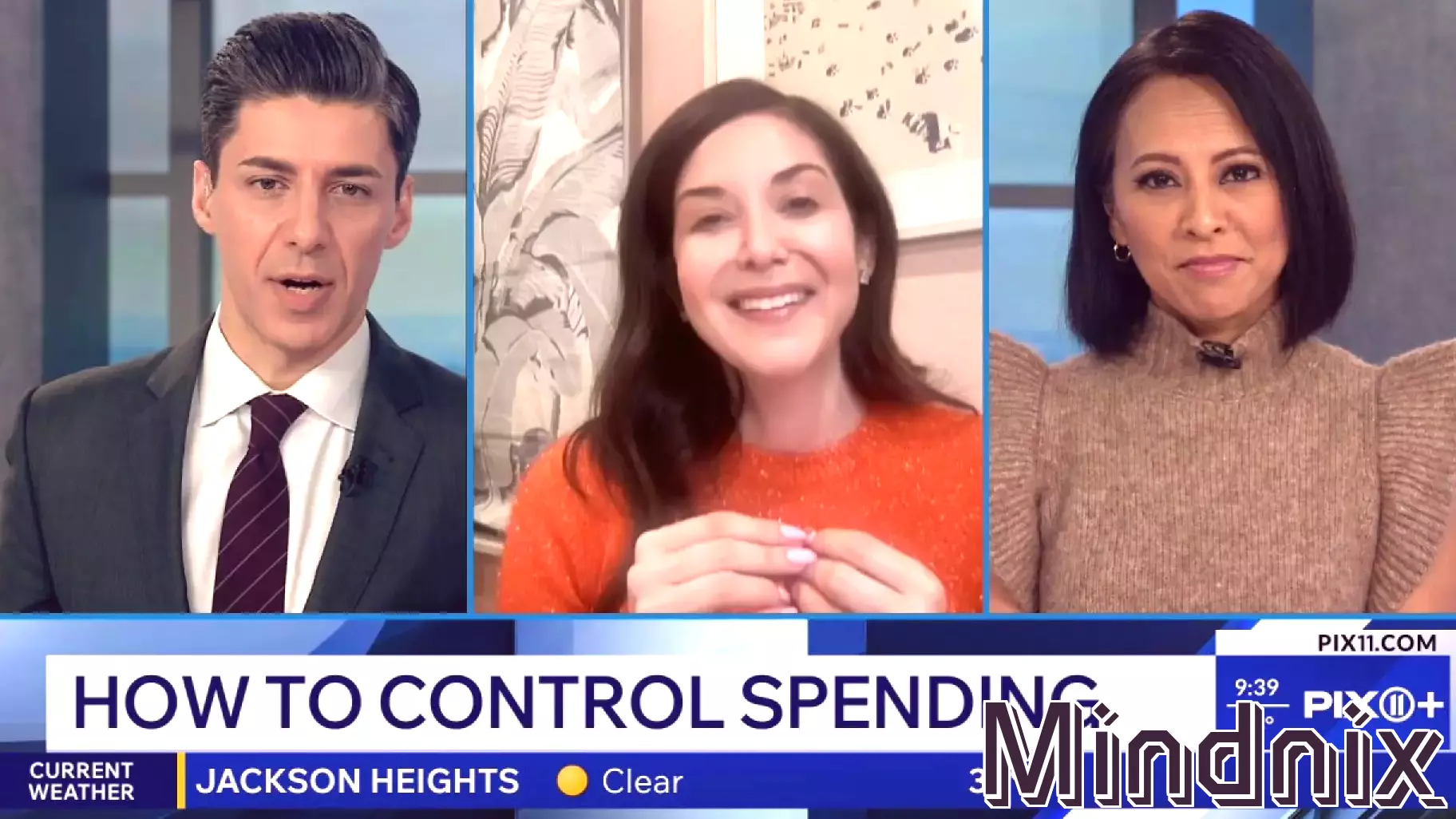
The urge to make a purchase often feels impulsive, but it is frequently driven by deep-seated psychological triggers. Retailers expertly craft environments and marketing strategies that tap into our emotions, bypassing logical budgeting. The thrill of a "good deal," the dopamine hit from a new acquisition, and the social pressure to keep up with trends can all override our better financial judgment.
Understanding these triggers is the first step toward mindful spending. Emotional spending, often used to alleviate boredom, stress, or sadness, provides only a temporary high. Similarly, scarcity tactics like "limited time offers" create artificial urgency, pushing us to buy items we don't need out of fear of missing out.
To curb unnecessary spending, experts recommend implementing practical strategies. Create a mandatory waiting period for non-essential purchases, often 24 to 48 hours, to allow the initial impulse to fade. Unsubscribe from promotional emails and avoid browsing online stores as a pastime. Most importantly, budget for discretionary spending and use cash for these purchases; the physical act of handing over money makes the cost feel more real than a seamless card tap or click.
By recognizing the emotional and psychological forces at play, consumers can shift from reactive spending to intentional purchasing, making choices that align with their true financial goals and personal values.
MORE NEWS

July 27, 2026 - 01:39
Gay Men and Self-Worth: Beyond Visibility and PrideFor many gay men, the conversation about self-worth feels like old news. We have marriage equality. We have corporate rainbow logos every June. We have visibility on television and in politics. So...

July 25, 2026 - 22:36
The Mental Game of the Tour de FranceThe Tour de France, which comes to a close this weekend, is known as one of the most grueling cycling events in the world. Riders face not only the physical demands of steep climbs and long...

July 24, 2026 - 01:08
When Politics Is PersonalA new study reveals that the rising political divide in the United States is not just a social or electoral issue but a growing mental health crisis for young adults. Researchers found that intense...

July 23, 2026 - 02:23
A Terminal Illness Sets a Cruel Deadline for the EstrangedThe recent gathering of the Royal family has put a stark spotlight on a painful reality: a terminal illness often acts as a brutal deadline for families torn apart by years of silence. When a loved...