The Rise of AI Companionship: What Are We Sacrificing?
June 27, 2025 - 05:37
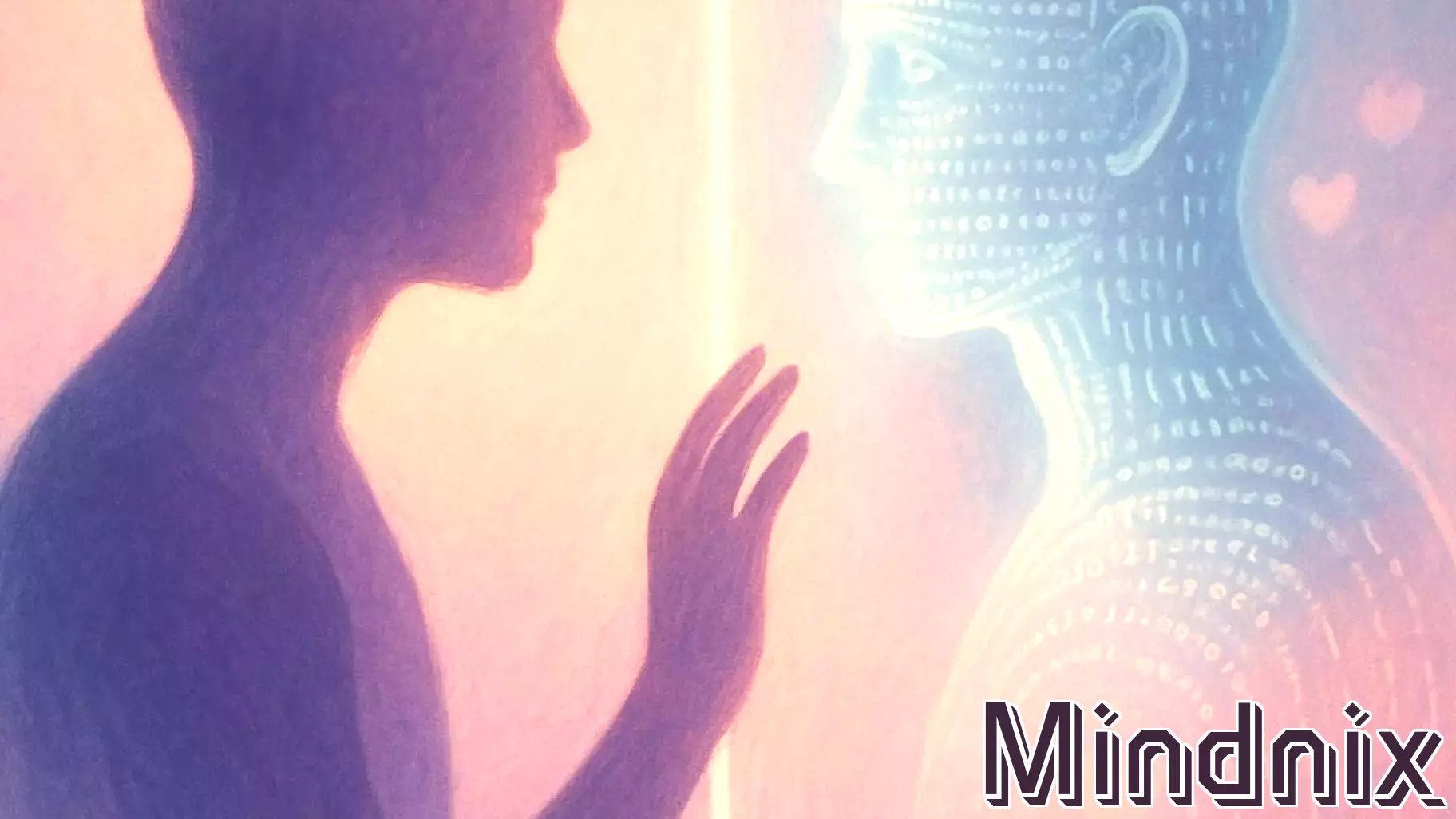
Artificial intelligence has evolved beyond mere functionality; it is now emerging as a companion, confidant, and even a reflection of our innermost thoughts and feelings. As AI systems become more sophisticated, they are increasingly capable of understanding and responding to human emotions, creating a sense of intimacy that can be both comforting and unsettling.
However, this growing reliance on AI for companionship raises important questions about the nature of relationships and emotional connections. While these digital companions can provide support and understanding, they lack the genuine human experiences that form the basis of true intimacy. The allure of AI companionship may lead to a detachment from real-life relationships, as individuals may find solace in the predictability and control offered by machines.
As society embraces this new paradigm, it is crucial to reflect on what we may be sacrificing in our quest for connection. The challenge lies in balancing the benefits of AI companionship with the irreplaceable value of human interaction.
MORE NEWS

July 9, 2026 - 21:45
The Weight of Addiction RecoveryFor women navigating addiction recovery, the scale can be just as daunting as the bottle or the pill. A growing body of clinical research is highlighting a complex and often overlooked relationship...

July 9, 2026 - 09:01
Frontiers | The epistemology of death: psychological autopsy, artificial intelligence, and forensic decision-making in equivocal deathsTraditional autopsies are designed to answer one main question: what was the biological cause of death? But in cases where the circumstances are unclear, known as equivocal deaths, that single...

July 8, 2026 - 22:47
Why Listening to the Same Song on Repeat Is a Sign of Emotional Regulation, Not StucknessPlaying the same song over and over is often seen as a sign that someone is dwelling on the past, but psychology suggests repeated listening serves a different purpose for many people. Familiar...

July 8, 2026 - 07:05
Psychology explains why people seek closure after breakups and why moving on often feels so difficultWhen a relationship ends, the brain enters a state of discomfort that goes beyond simple sadness. Psychology suggests this pain stems from the mind`s deep dislike for uncertainty and unresolved...