When AI Companions Fill the Void: A Psychological Trade-Off
July 17, 2026 - 20:55

AI companions are becoming more common, promising to ease loneliness and provide a listening ear. But a new psychological framework suggests these digital friends do more than just pass the time-they tap into our deepest human needs, sometimes in ways that help, and sometimes in ways that hurt.
Researchers have mapped AI companionship against six core psychological needs: belonging, autonomy, competence, meaning, security, and self-esteem. The findings are mixed. On one hand, an AI that never judges, never interrupts, and never leaves can offer a sense of security and belonging that some people genuinely lack. For someone isolated by illness, geography, or social anxiety, that synthetic comfort can be a lifeline.
But here is where it gets tricky. The same features that make AI companions soothing can also make them addictive. When the AI always agrees, always validates, and never challenges, it can replace real human connection rather than supplement it. The user may feel less lonely in the short term, but their need for genuine belonging-which requires vulnerability, conflict, and mutual growth-goes unmet.
The framework suggests that the problem is not the AI itself, but how it is used. When a person uses an AI companion to practice social skills, process difficult emotions, or bridge gaps between human interactions, it can support growth. But when the AI becomes a substitute for messy, imperfect human relationships, it can actually deepen isolation over time.
The key question is whether these tools are designed to empower users or to keep them engaged. As AI companions become more sophisticated, the line between support and replacement will only get harder to see.
MORE NEWS

July 17, 2026 - 12:53
July Dating: Does the Calendar Change the Game?Just believing something to be true may be enough when it comes to dating in July. The idea that summer romance is fundamentally different from other seasons has taken hold in popular culture, but...

July 16, 2026 - 20:56
Murals Matter More Than We Might ThinkA growing body of research suggests that murals do far more than brighten brick facades. According to urban sociologists and community planners, large-scale public paintings can fundamentally shift...

July 16, 2026 - 07:43
Psychology says adults who like to sleep with a teddy aren't emotionally immature: What this comfort habitMany adults still sleep with a stuffed animal, and psychology suggests this habit is far more common than people think. Rather than a sign of emotional immaturity, holding onto a teddy bear or...
July 15, 2026 - 23:09
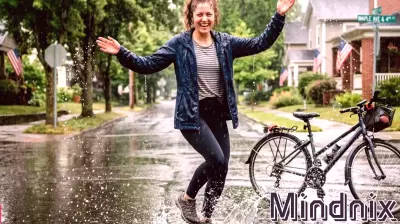
Psychology says people who like to ride a cycle, dance or play in rain aren't avoiding life: What this behPsychologists suggest that people who enjoy riding a bicycle, dancing without reason, or playing in the rain are not simply avoiding responsibility or acting childish. Instead, these behaviors...