Building Mental Strength: The Importance of Patience
14 July 2026
Let’s face it—patience isn’t exactly the easiest virtue to master in our fast-paced, instant-gratification world. We live in a time where we can order food, stream movies, and get answers from Google in seconds. So, it’s no surprise that staying patient, especially during challenges and setbacks, feels like an uphill battle.
But here’s the thing: if you're serious about building real mental strength—emotional, psychological, and even physical resilience—patience isn't just "nice to have." It's essential.
In this article, we’re going to break down the often overlooked connection between patience and mental strength. You’ll see how patience isn't about waiting around doing nothing; it's a powerful psychological tool that helps you keep your cool, make better decisions, and stay on track toward your goals.
So take a deep breath, and let’s dive in.
What Does Mental Strength Actually Mean?
Before we jump into why patience matters, let’s clarify what we mean by “mental strength.” It’s not about being tough all the time or pretending everything’s okay when it’s not. Mental strength is about your capacity to handle stress, bounce back from adversity, and keep moving forward—even when life throws curveballs your way.Think of mental strength as the inner foundation that keeps you standing when everything else feels like it’s falling apart. It’s emotional resilience, self-discipline, focus, and the ability to manage your thoughts and reactions.
The Misunderstood Power of Patience
Let’s set the record straight: patience isn’t passivity. It’s not laziness or a sign that you’re indecisive. Patience is about self-control. It’s the ability to pause, reflect, and act thoughtfully instead of reacting impulsively.Here’s a little secret—some of the most mentally strong and successful people you admire got that way because they mastered the art of patience.
Whether it’s an athlete training for years to reach the top of their game or an entrepreneur building a business from the ground up, patience is the tool they use to weather the tough days and stick to the long game.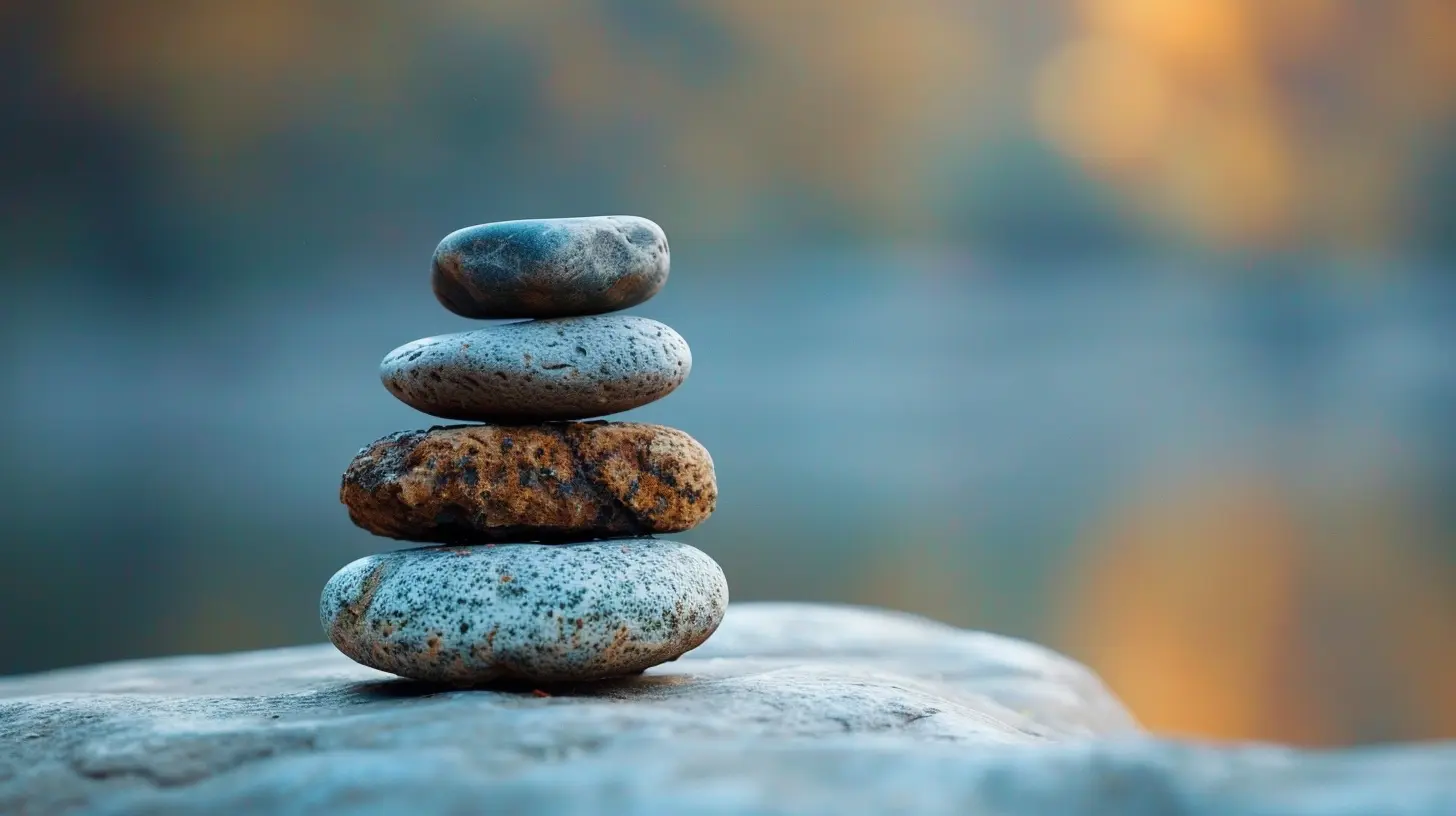
Why Patience is the Cornerstone of Mental Strength
1. It Helps You Make Better Decisions
Let’s be real: impulsive decisions rarely lead to good outcomes. When we act out of frustration or fear, we’re not thinking clearly. Patience gives us space to breathe before making choices. It slows down the emotional rollercoaster and allows logic to step in.Instead of reacting immediately, a patient person evaluates the situation and considers the long-term consequences. That’s a game-changer when it comes to facing stress or conflict.
2. It Builds Emotional Regulation
We all get angry. We all get frustrated. That’s normal. But mentally strong people don’t let those emotions control them. They feel them, but they don’t act on them right away. That’s patience in action.Patience helps us create a buffer between emotion and reaction. Think of it like a cushion that softens the emotional blow, giving you time to calm down and respond in a way that aligns with your values and goals.
3. It Cultivates Grit and Perseverance
You know that phrase, “Rome wasn’t built in a day”? It’s cliché for a reason—it’s true. Anything worth having takes time, whether it’s building a healthy relationship, recovering from trauma, or going after your dreams.Mental strength means sticking with things even when they get tough. And that kind of perseverance is only possible when you practice patience. You won’t quit at the first sign of discomfort because you trust the process and believe in the bigger picture.
4. It Strengthens Relationships
Let’s talk about patience in personal relationships. Whether it’s with your partner, a friend, or a coworker—people will irritate you. That’s life.But when you're patient, you’re less likely to snap, argue, or hold grudges. You're more understanding, more empathetic, and better at listening. That kind of emotional maturity enhances every connection you have.
Mentally strong people know that patience leads to deeper, stronger relationships, and that those relationships become a support system in tough times.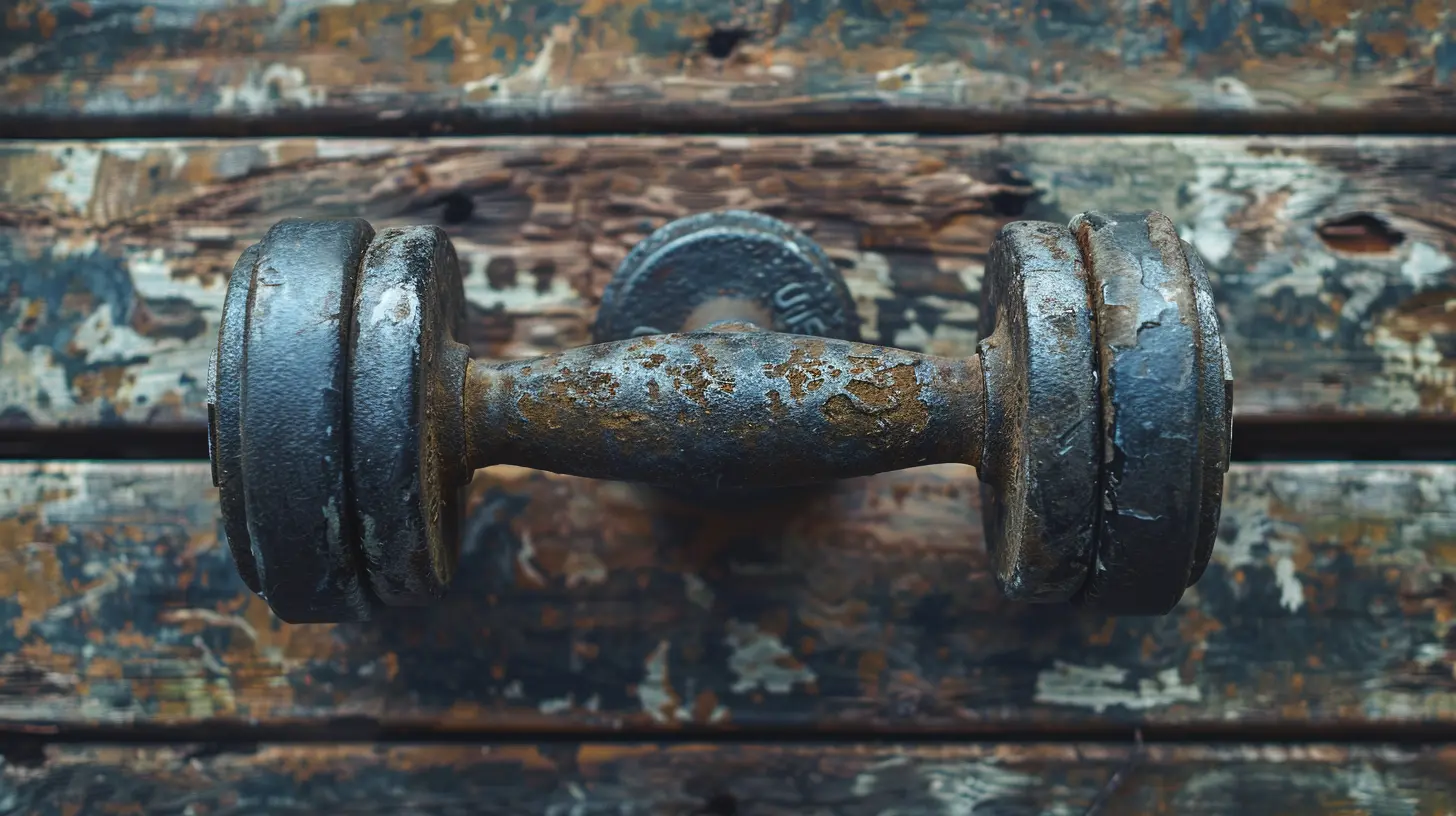
The Psychology Behind Patience
So, what’s actually happening in the brain when we practice patience?It all comes down to self-regulation—essentially the brain’s ability to manage emotions, impulses, and behaviors. This is mostly handled by the prefrontal cortex, the part of our brain responsible for executive functions like planning, decision-making, and impulse control.
When we practice patience, we're training this "mental muscle" to stay engaged. Over time, we become better at delaying gratification, resisting emotional outbursts, and staying focused on long-term goals.
You’ve probably heard of the famous “marshmallow experiment,” right? The one where kids were given the option to eat one marshmallow now or wait and get two later? Those who waited were found to have better life outcomes—academically, socially, and even financially. That’s the power of delayed gratification, and it's a key part of mental strength.
Common Triggers That Test Our Patience
Let’s be honest—some situations push our buttons more than others. Identifying your patience triggers is a smart move if you're trying to build mental strength.Here are a few common ones:
- Waiting – Whether it’s in traffic, a long line at the store, or for a big life goal, waiting can be infuriating.
- Uncertainty – Not knowing how or when something will work out can seriously test your nerves.
- Lack of Control – When things are out of your hands, it’s hard not to get frustrated.
- Rejection or Failure – It’s tempting to give up or lash out when things don’t go how we hoped.
Recognize these for what they are—emotional tests—and use them as practice grounds for patience. Every time you choose calm over chaos, you’re building mental muscle.
How to Develop Patience (Without Losing Your Mind)
Okay, so how do you actually become more patient in real life? It’s not about forcing yourself to wait longer; it’s about shifting your mindset and habits. Let’s break it down.1. Practice Mindfulness
Mindfulness is your secret weapon here. When you're mindful, you're living in the moment instead of rushing to the next thing. It helps you become aware of your emotions without being swept away by them.You don’t need to meditate for hours. Just pause, breathe, and check in with how you're feeling. That alone can help you respond (not react) to stressful situations.
2. Reframe the Situation
When you're stuck in traffic, instead of thinking, "I'm wasting time," try, "This is an opportunity to practice patience." Sounds cheesy, but it works!Reframing helps you see annoying situations as chances to grow instead of things to suffer through. That slight shift in perspective builds resilience over time.
3. Set Long-Term Goals
When you’re working toward something meaningful, it’s easier to stay patient through the setbacks. Long-term goals give you purpose, and that purpose makes short-term discomfort easier to handle.Break your goal into smaller milestones and celebrate each win. That keeps the motivation alive and helps you stay focused while developing tolerance for the slow grind.
4. Delay Gratification Regularly
Train yourself to wait for the good stuff. Simple daily practices—like waiting 10 minutes before checking your phone or saving money instead of spending impulsively—reinforce the habit of patience.It’s like a workout for your brain, and over time, you’ll notice it’s easier to delay gratification without feeling anxious or annoyed.
5. Acknowledge Your Progress
Building patience doesn’t happen overnight. Celebrate the small wins—like staying calm when someone cuts you off or not freaking out during a delay. These moments add up, and they’re proof that you’re strengthening your mental core.Patience Isn’t Passive. It's Power in Disguise.
Here’s the bottom line: patience doesn't mean you're weak or slow. It means you're wise enough to wait for the right moment. You're strong enough to handle discomfort without falling apart. And you’re resilient enough to keep going when others give up.Mental strength isn’t about bulldozing through life with brute force; it’s about pacing yourself for the long haul. Patience is the quiet skill that makes that possible.
So the next time you’re tempted to snap, quit, or rush—pause. Breathe. And remember that every act of patience adds another brick to your mental foundation.
You’ve got this.
A Quick Recap: Key Takeaways
- Patience is a crucial part of mental strength, enabling better decision-making and emotional regulation.- It helps you persevere through setbacks and strengthens your relationships.
- Patience comes from self-awareness, mindfulness, and practicing delayed gratification.
- Building patience will test you, but each challenge is an opportunity to grow mentally stronger.
Final Thoughts
We live in a world that celebrates speed, but the real magic happens when you slow down. Patience won’t make life easier, but it will make you stronger. It gives you the power to face challenges with grace, keep your emotions in check, and stay committed to growth—even when results take time.So, next time you’re feeling frustrated or overwhelmed, remember: developing patience isn't about waiting—it’s about strengthening your mind for whatever life brings your way.
all images in this post were generated using AI tools
Category:
Mental StrengthAuthor:

Janet Conrad