Can Psychotherapy Help With Chronic Stress?
2 May 2026
Let’s be real—stress is part of life. A bit of it can even be motivating, like that tiny jolt before a big presentation. But what happens when it doesn’t go away? When stress becomes a constant, creeping presence in your daily life? That’s chronic stress, and it’s a whole different beast.
If you've been wondering whether sitting down and talking with a therapist can actually do something about that ever-lingering weight on your shoulders, you're not alone. Chronic stress isn't just "being tired" or "busy." It's bigger, messier, and a lot more persistent. So today, we're going to dive deep into the big question: Can psychotherapy help with chronic stress?
Spoiler alert: Yes, it can—but let’s unpack the how, why, and what that actually looks like.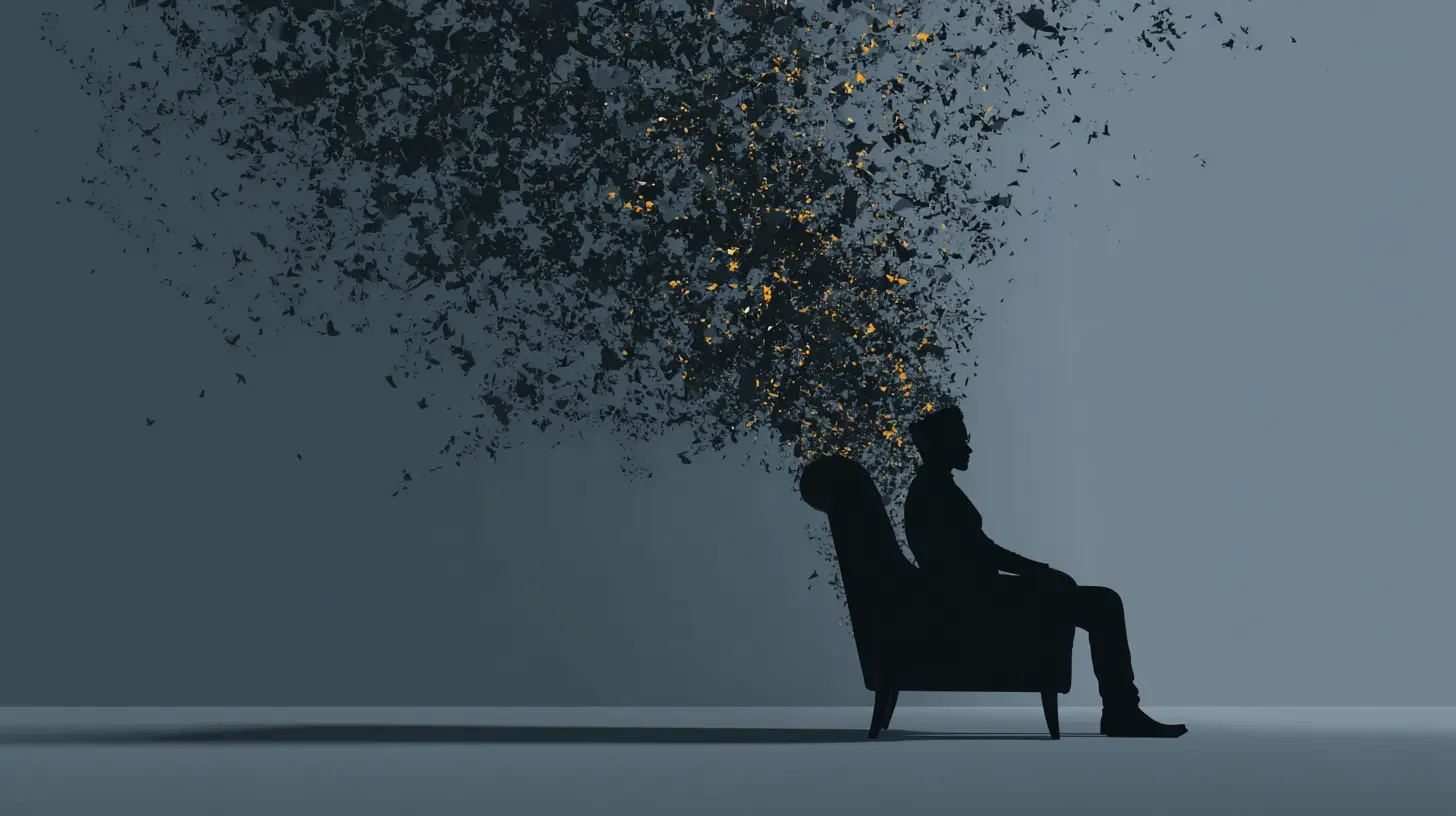
What Is Chronic Stress, Exactly?
Before we talk therapy, let’s first get clear on what chronic stress is.Unlike acute stress—the kind that hits you fast and fades after the stressful event—chronic stress hangs around like a roommate who overstayed their welcome. It creeps into your mornings, follows you into your job, and even interrupts your sleep.
Symptoms can include:
- Constant fatigue
- Irritability
- Trouble concentrating
- Muscle tension
- Digestive issues
- Sleep problems
- Anxiety or depression
And here’s the kicker: chronic stress rewires your brain. It keeps your body’s "fight or flight" system stuck in overdrive, which drains you both mentally and physically.
Sounds exhausting, right? That’s because it is.
So Where Does Psychotherapy Come In?
Okay, now that we know we’re dealing with a pretty stubborn problem, let’s talk about how psychotherapy can help.At its core, psychotherapy—also known as talk therapy—provides a safe space to unpack what's going on inside your head. But it’s more than just venting. It’s strategic. It's about identifying patterns, rewriting behaviors, and learning coping techniques that actually stick.
When you're in the thick of chronic stress, it's easy to feel like you're drowning. Psychotherapy offers a life raft—and teaches you how to swim on your own.
Types of Psychotherapy That Help With Chronic Stress
Not all therapy is the same, and not all therapies work equally well for every kind of stress. So let’s break down some proven approaches.1. Cognitive Behavioral Therapy (CBT)
Think of CBT as mental decluttering. It helps you identify the thought patterns that are fueling your stress—like catastrophizing or overgeneralizing—and teaches you how to replace them with healthier thoughts.Example: If you constantly think "I’m going to mess up this project and lose my job," CBT helps challenge that belief and replace it with something more balanced, like "I have skills, and one mistake doesn’t define my value."
Powerful, right?
2. Mindfulness-Based Stress Reduction (MBSR)
This one’s a game-changer. Developed by Dr. Jon Kabat-Zinn, MBSR is an evidence-based program that combines mindfulness meditation, body awareness, and yoga.Its goal? To bring you into the now instead of constantly worrying about the future or ruminating on the past.
Practicing mindfulness literally changes the structure of your brain. MRI scans show increased gray matter density in areas associated with emotion regulation and memory. Aka, your mind learns how to chill.
3. Psychodynamic Therapy
This approach digs deep. It explores the unconscious patterns, unresolved conflicts, and emotional roadblocks that might be adding to your stress levels.Maybe you’re overachieving because of childhood perfectionism. Or avoiding confrontation because of old trauma. Psychodynamic therapy helps you see those hidden connections and frees you from them.
4. Acceptance and Commitment Therapy (ACT)
ACT teaches you to stop trying to control or eliminate uncomfortable thoughts and feelings. Instead, you learn to accept them, make peace with them, and move forward with your values in mind.It's like learning to dance in the rain instead of waiting for the storm to pass.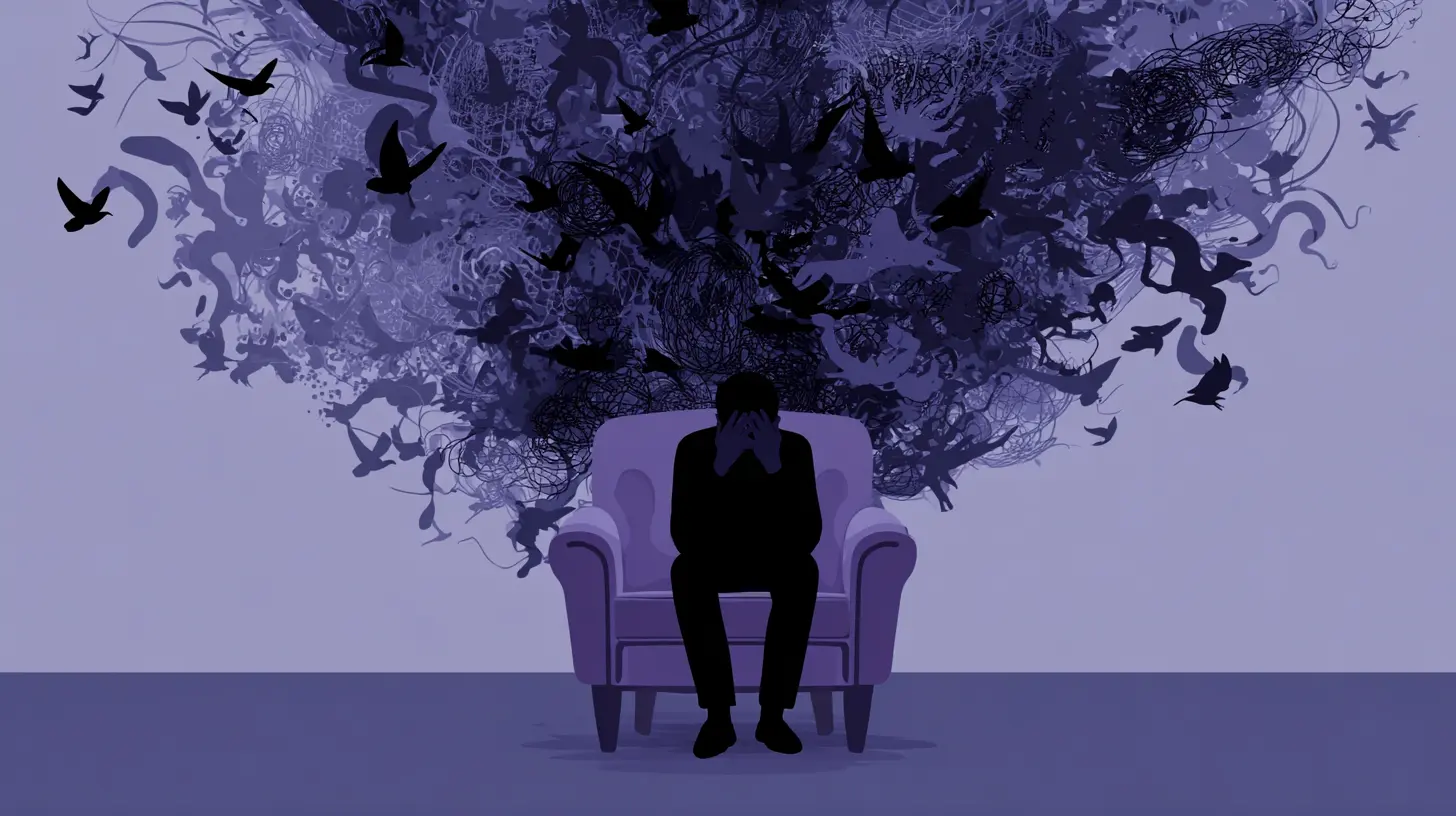
Real-Life Benefits of Psychotherapy for Chronic Stress
Alright, theory is great—but what does all this look like in real life?Here’s how therapy can improve your day-to-day:
✅ Better Emotional Regulation
Through therapy, you’ll learn coping skills to stop reacting on autopilot. That means fewer outbursts, less snapping at loved ones, and a better grip on your emotions.✅ Improved Sleep
When your mind is no longer a battlefield of stress, falling and staying asleep becomes easier. Many people find that therapy helps them quiet racing thoughts and build healthier sleep habits.✅ Stronger Relationships
Chronic stress often spills over into relationships. Therapy helps you communicate better, set boundaries, and understand what you really want or need from others.✅ Physical Health Boosts
Less stress means lower blood pressure, better immune function, and fewer stress-related physical symptoms like migraines, IBS, or chronic pain.✅ More Resilience
Let’s face it—life’s always going to throw curveballs. But with the tools therapy gives you, you won’t feel knocked down every time something goes wrong.How Long Until You See Results?
This is the million-dollar question, right? And honestly—it depends.Some people feel better after just a few sessions. Others take months. It’s not a one-size-fits-all process. But remember: it’s not about quick fixes. It’s about sustainable progress.
Stick with it. Small shifts add up over time.
Therapy vs. Medication: Which One’s Better for Chronic Stress?
Here’s the thing—therapy and medication aren't rivals. They can actually work together.Antidepressants or anti-anxiety meds can help take the edge off while you build long-term coping strategies in therapy. Think of medication like a cast for a broken arm. It supports healing, but physical therapy does the real work of strengthening.
If you’re unsure, talk to your therapist or a psychiatrist. They’ll help you figure out the best path for your unique situation.
What to Expect in Your First Therapy Session
First time? Totally normal to feel nervous. But here’s what usually goes down:- Your therapist asks questions about your history, symptoms, and goals.
- You and your therapist decide on a game plan together.
- You leave with a better understanding of what’s going on in your brain—and how to start making positive changes.
No lying on a couch. No judgment. Just one human helping another human figure things out.
Common Misconceptions About Therapy and Stress
Let’s bust a few myths, shall we?🧠 "Therapy is only for people with serious mental illness."
Nope. Therapy is for anyone dealing with mental strain—including chronic stress.🧠 "Talking won’t change my life."
Talking is just the start. Therapy is about action. You’ll learn skills, exercises, and tools that you can apply every day.🧠 "I should be able to handle this on my own."
Why? We don’t shame people for hiring a personal trainer or seeking professional help with taxes. Why should mental health be any different?How to Find the Right Therapist for Chronic Stress
Not all therapists click with everyone. That’s okay. Here’s how to find one that works for you:- Look for someone who specializes in stress or anxiety.
- Check credentials and reviews.
- Have a phone consultation first to feel out the vibe.
- Trust your gut. If someone doesn’t feel right, keep looking.
BetterHelp, PsychologyToday, and TherapyDen are great starting points if you're searching online.
Final Thoughts: Can Psychotherapy Help With Chronic Stress?
Let’s land this plane.Chronic stress isn’t just annoying—it’s dangerous. It chips away at your health, your happiness, and your sense of control. But the good news? You don’t have to just “deal with it.”
Psychotherapy offers a toolbox of strategies to reclaim your calm, your focus, and your well-being. It gives you the insight and the skills to manage stress instead of letting it manage you.
So yes, psychotherapy can absolutely help with chronic stress. And if you've been thinking about giving it a shot, consider this your sign.
all images in this post were generated using AI tools
Category:
PsychotherapyAuthor:

Janet Conrad
Discussion
rate this article
1 comments
Nixie Alexander
Psychotherapy can be a powerful tool in managing chronic stress. It offers insights and coping strategies, helping you regain control and improve your well-being. Keep going!
May 4, 2026 at 4:04 PM
Janet Conrad
Thank you for your thoughts. I completely agree that psychotherapy can significantly aid in managing chronic stress and enhancing overall well-being.