How Bilingualism Changes the Brain
28 December 2025
Have you ever wondered how speaking more than one language rewires your brain? It’s not just about switching between languages—you’re actually reshaping your mental architecture. Whether you're fluent in two or more languages from childhood or picked up a second language later in life, your brain undergoes some fascinating changes.
Let’s dive into the psychology and neuroscience behind bilingualism and just how profoundly it affects the way we think, feel, and even age.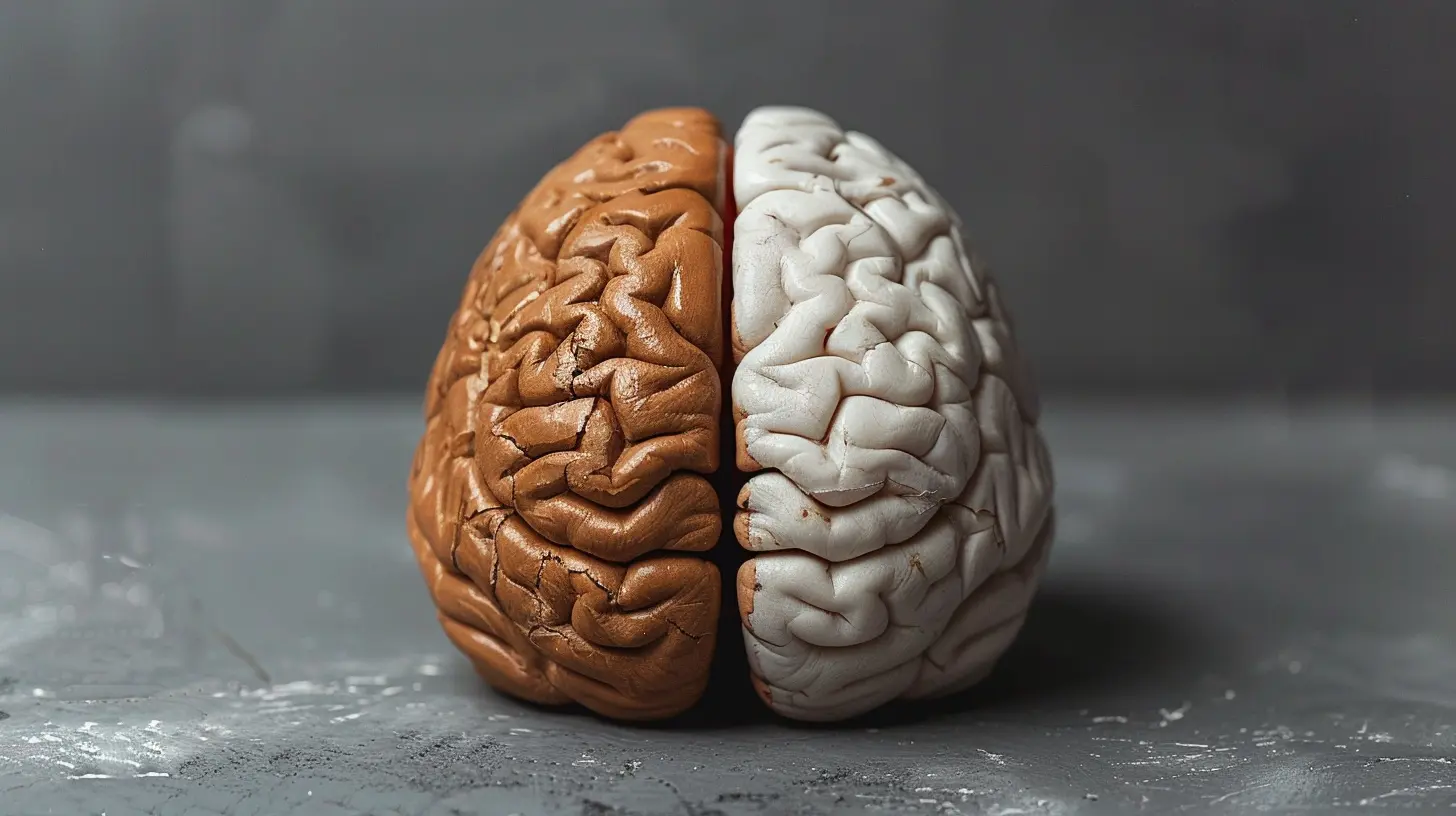
The Bilingual Brain: More Than Just Multilingual Chatter
When most people think of bilingualism, they imagine someone flipping seamlessly between Spanish and English, or French and Mandarin. But the real magic happens under the surface. Your brain’s like a high-performing computer, and learning a new language installs a powerful new operating system.Cognitive Control Gets a Workout
One of the key changes bilingualism brings is enhanced cognitive control. That’s science-speak for your brain’s ability to focus, switch tasks, and filter out irrelevant information.Think of your brain as having two tabs open—each representing a different language. Even when you're speaking one language, the other is still lurking in the background. The brain has to constantly monitor, suppress, and activate languages depending on the context. It’s like juggling without dropping a single ball. Over time, this mental juggling strengthens your brain’s executive function—basically your inner CEO making daily operations run smoothly.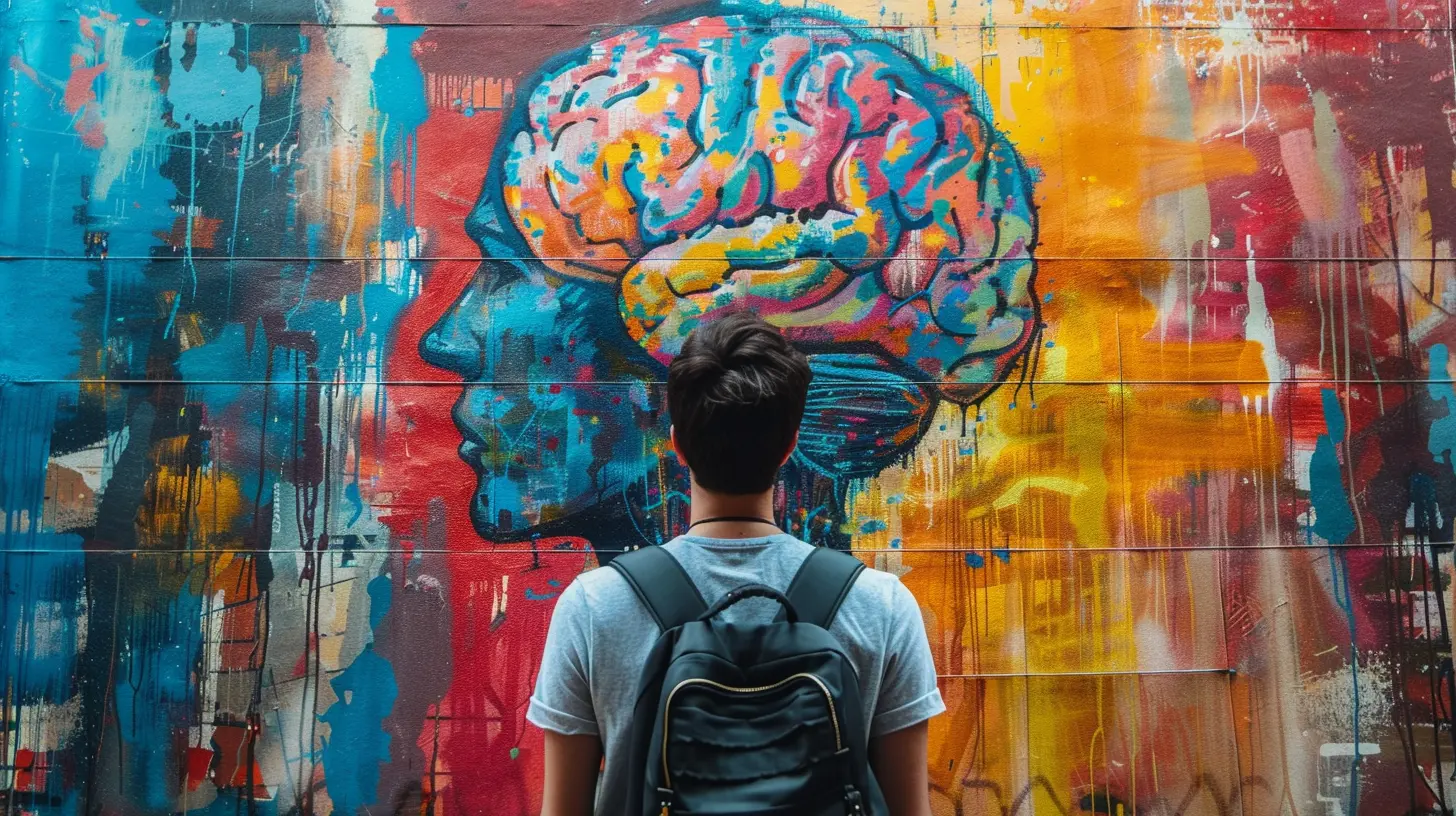
Gray Matter Gains: Your Brain Physically Changes
Here's something cool—bilingualism doesn't just enhance brain function; it also changes its structure.Thickening Gray Matter
Studies using MRI scans have shown that bilinguals tend to have denser gray matter in regions associated with language processing and executive function. Gray matter is kind of like your brain’s command center. More of it means better decision-making, sharper memory, and improved problem-solving.Boosting Connectivity
Bilingualism also enhances connectivity between brain regions. It’s like paving new neural highways, making information flow faster and more efficiently. The brain’s white matter—responsible for communication between different brain areas—also shows improved integrity in bilinguals, especially as they age.
Bilingualism Delays Cognitive Decline
Yup, you read that right. Speaking more than one language might keep your brain younger, longer.A Mental Fountain of Youth?
Research has found that bilingual individuals often experience the onset of Alzheimer’s disease and other forms of dementia several years later than monolinguals. This doesn’t mean bilingualism cures or prevents these conditions, but it does suggest a higher "cognitive reserve."Cognitive reserve is like a mental savings account. The more you've invested in mental challenges (like juggling multiple languages), the more your brain can withdraw from it when age-related decline hits. Basically, bilingual brains can handle wear and tear better.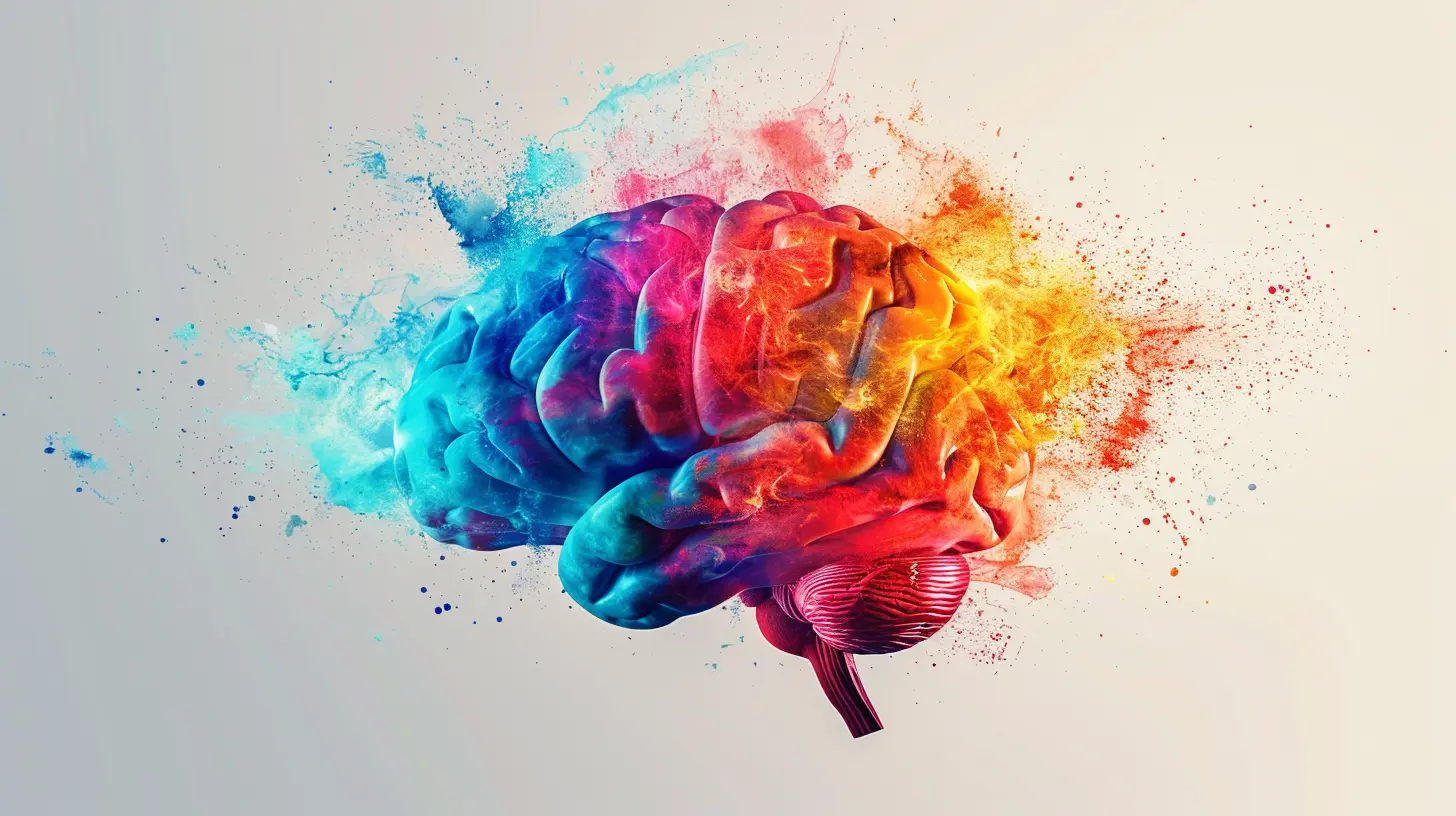
Enhanced Multitasking and Attention
Ever feel like your attention span is shorter than a goldfish’s? Well, bilingualism might help with that.Laser-Like Focus
Switching between languages uses the same mental muscle that helps you shift focus between tasks and ignore distractions. That means bilinguals usually score higher on tests of attention and cognitive flexibility. In a world full of pings, alerts, and endless scrolling, being able to zero in on one task at a time is a serious superpower.Real-World Benefits
This plays out in everyday life. Bilingual people often find it easier to switch between tasks at work, absorb new information quickly, and make decisions under pressure. It’s not about being "smarter"—it’s about being more mentally agile.Emotional Intelligence Gets a Boost
This one might surprise you—bilingualism can change the way we feel emotions and even how we express them.Language Shapes Emotion
Researchers have found that bilinguals may experience a shift in emotional intensity depending on which language they’re using. For instance, expressing feelings in a second language might feel more detached or less emotionally charged. This isn’t necessarily a bad thing. It can actually help people talk about difficult topics with more clarity and less anxiety.Seeing the World Through Two Lenses
When you understand the cultural nuance behind languages, you start picking up on how different societies view emotions, relationships, and values. This gives bilingual speakers a broader emotional palette and a greater sense of empathy. It’s like being able to see the same story written in two completely different fonts—you understand the plot better.Language Switching and Mental Flexibility
Have you ever accidentally thrown a Spanish word into your English sentence without noticing? That’s called code-switching, and while it might seem like a linguistic slip-up, it’s actually a sign of cognitive sophistication.Code-Switching in Action
Bilinguals often switch languages mid-conversation, depending on context, listener, or even mood. This kind of flexibility shows just how agile the bilingual brain really is. It’s doing subtle calculations behind the scenes, constantly adapting to who they’re speaking to and what they’re talking about.Mental Gymnastics
It’s not easy for the brain to jump from one language system to another on the fly. This mental gymnastics keeps the brain in top shape, boosting overall mental dexterity. It’s like having to switch dance styles mid-performance without missing a beat.Creativity and Problem Solving
Can speaking more than one language make you more creative? Quite possibly!Divergent Thinking
Bilingualism encourages what psychologists call "divergent thinking"—the ability to generate multiple solutions to a problem. When you're fluent in two languages, you’re constantly evaluating different expressions and meanings, so your brain learns to think flexibly and approach challenges from various angles.Thinking Outside the (Language) Box
This mental flexibility also helps with problem-solving. For instance, bilinguals are often better at interpreting ambiguous situations or understanding alternate perspectives. This isn’t just helpful in puzzles or games—it’s a huge asset in conflict resolution, negotiations, and creative projects.The Critical Period Myth: It’s Never Too Late
You’ve probably heard people say it’s easier to learn languages as a kid. While there is some truth to that, don't let it discourage you.Adult Brains Still Adapt
Sure, children’s brains are more plastic and absorbent, like little sponges. But adult brains are far from hopeless. In fact, adults who take on a new language still activate many of the same brain areas and show structural improvements. The key is consistent practice and immersing yourself in the language environment.Lifelong Learning Benefits
Plus, learning a new language as an adult has its own cognitive perks. It stimulates memory, attention, and mental flexibility—all crucial skills that tend to decline with age. So rather than seeing it as a late start, think of it as a mental upgrade.Social and Cultural Awareness
Ever notice how bilinguals often seem more in tune with social nuances? That’s not a coincidence.Understanding Context and Culture
Bilingual individuals often develop what's known as cultural metacognition—being aware of cultural contexts in thinking and behavior. This heightens their social awareness and helps them navigate complex interpersonal dynamics more effectively.Building Bridges
In a global world, being bilingual isn't just practical—it’s deeply connective. It allows you to form relationships across cultural boundaries, understand diverse perspectives, and break down stereotypes. Basically, it turns your brain into a multicultural bridge builder.Wrap-Up: Two Languages, Countless Benefits
By now, you’ve probably figured out that bilingualism isn’t just a party trick or job perk—it fundamentally alters how your brain works. From boosting mental agility to delaying dementia, from enhancing emotional insight to improving attention, bilingualism remodels the mind in astonishing ways.And the best part? It’s never too late to start. Whether you're brushing up on high school French or diving headfirst into Japanese, know this: every new word you learn is not just a vocabulary boost, but a brain boost.
So next time you hesitate to practice a second language? Don’t. You’re not just learning a new way to speak—you’re learning a whole new way to think.
all images in this post were generated using AI tools
Category:
NeuroscienceAuthor:

Janet Conrad
Discussion
rate this article
2 comments
Chelsea Wolf
Fascinating! I'm eager to learn how bilingualism reshapes cognitive functions and neural connections.
January 13, 2026 at 4:28 PM
Janet Conrad
Thank you! Bilingualism indeed enhances cognitive flexibility and may strengthen neural pathways, leading to improved problem-solving and multitasking abilities. Excited to share more insights!
Astraea McGinnis
Who knew juggling languages could also juggle brain power? Bilingualism: where multitasking meets magic! 🧠✨
December 30, 2025 at 5:15 AM
Janet Conrad
Absolutely! Bilingualism enhances cognitive flexibility and multitasking, proving that juggling languages truly works wonders for brain power. 🧠✨