Childhood Trauma and Its Long-Term Impact on PTSD
15 January 2026
Childhood is supposed to be a time of play, learning, and love. But what happens when those early years are filled with pain, fear, or neglect instead? For many people, traumatic experiences in childhood don't just fade away — they leave an imprint that can last a lifetime. One of the most serious consequences? Post-Traumatic Stress Disorder, or PTSD.
Let’s dive deep into how childhood trauma can shape our mental health far beyond those early years — and what we can do about it.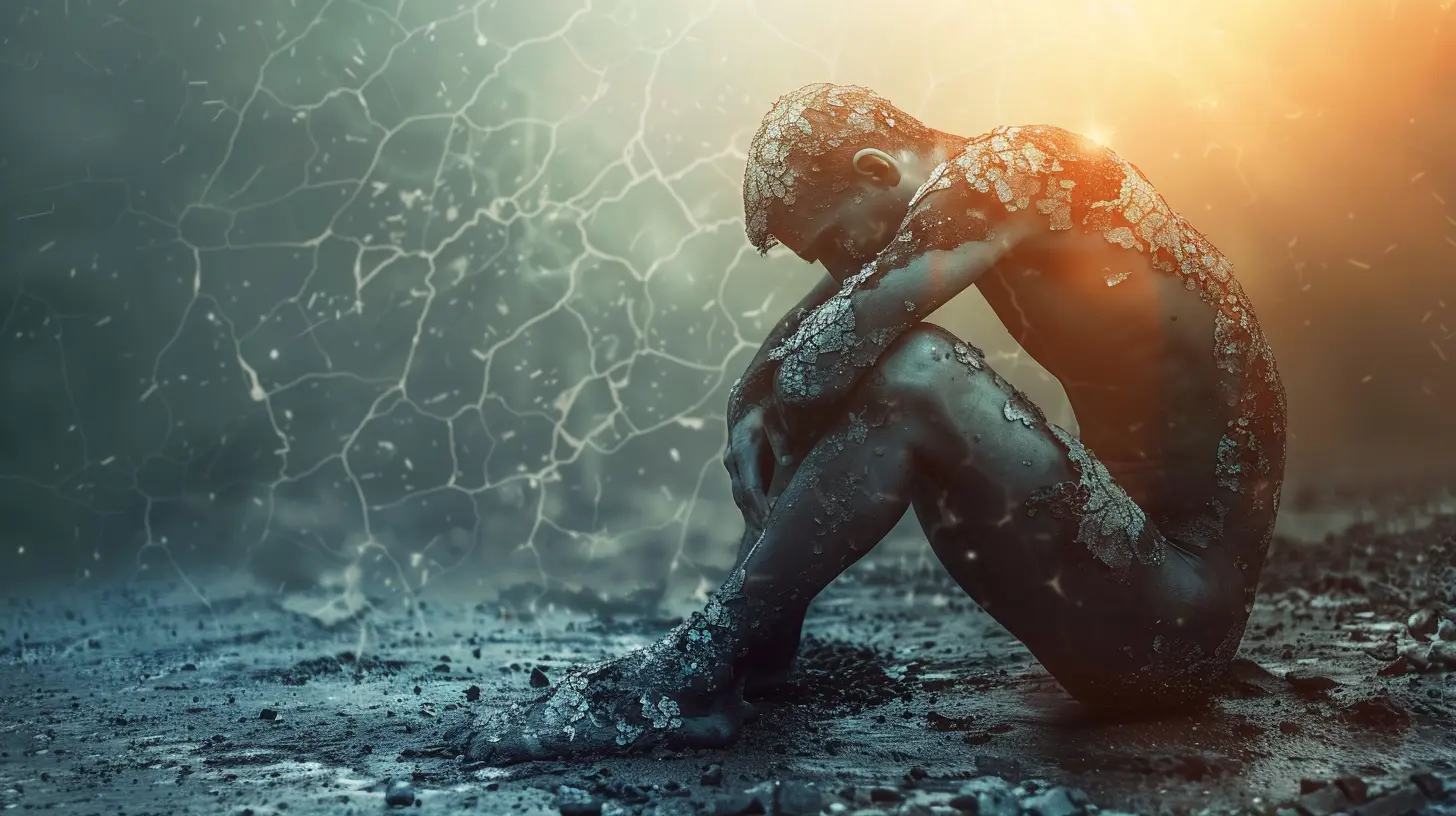
What Exactly Is Childhood Trauma?
Before we go into details, let's get one thing straight — childhood trauma isn't limited to just physical abuse. It’s much more than that.Trauma in childhood can look like:
- Emotional neglect (not getting love or attention)
- Physical, emotional, or sexual abuse
- Witnessing domestic violence
- Losing a parent through death, divorce, or abandonment
- Living in a household with addiction, mental illness, or incarceration
- Bullying or discrimination
In essence, trauma is anything that overwhelms a child’s ability to cope, making them feel helpless, scared, or alone.
Just like a young tree growing in a storm, a child exposed to consistent trauma may grow up bent or broken — not because they’re weak, but because of what they've been through.
The Brain’s Reaction: Why Trauma Hits Kids So Hard
Let’s get a little scientific (but not too much, promise). Children’s brains are like wet cement — soft, impressionable, and still forming. When trauma happens early on, it doesn’t just shake them up emotionally; it actually alters how their brain develops.Think about it: a child constantly on edge because of danger at home will develop a brain wired for survival. That means hypervigilance, anxiety, and difficulty regulating emotions. Their brain isn’t focused on learning or connecting — it’s locked in survival mode.
The areas most affected?
- Amygdala: ramps up to detect threats
- Hippocampus: struggles with forming accurate memories
- Prefrontal cortex: has trouble with logic, impulse control, and decision-making
Later in life, this wiring can lead to PTSD symptoms. The brain keeps reacting as if the trauma is still happening — even when it’s long over.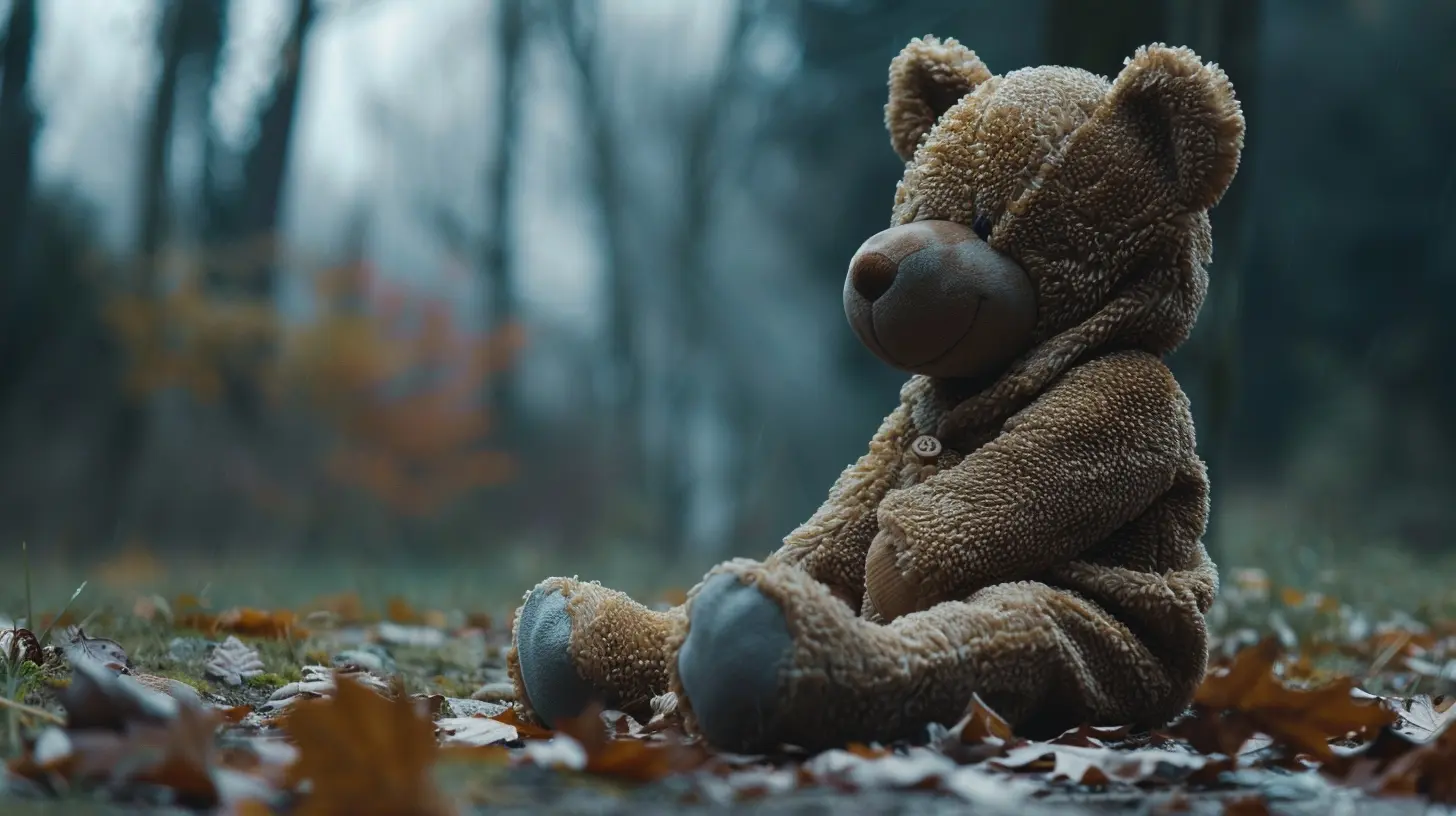
What Is PTSD, and How Does It Show Up Long-Term?
PTSD isn’t just "having bad memories." It’s a mental health condition that can completely disrupt someone’s life. For those who experienced trauma as kids, symptoms might not show up right away — they can emerge years or even decades later.Some common PTSD symptoms include:
- Intrusive memories or flashbacks
- Nightmares and sleep problems
- Avoidance of anything related to the trauma
- Emotional numbness or detachment
- Intense anger, guilt, or shame
- Being easily startled or constantly "on guard"
Sound familiar? People often don’t connect their current struggles to trauma from the past — especially if that trauma was ignored, minimized, or never talked about.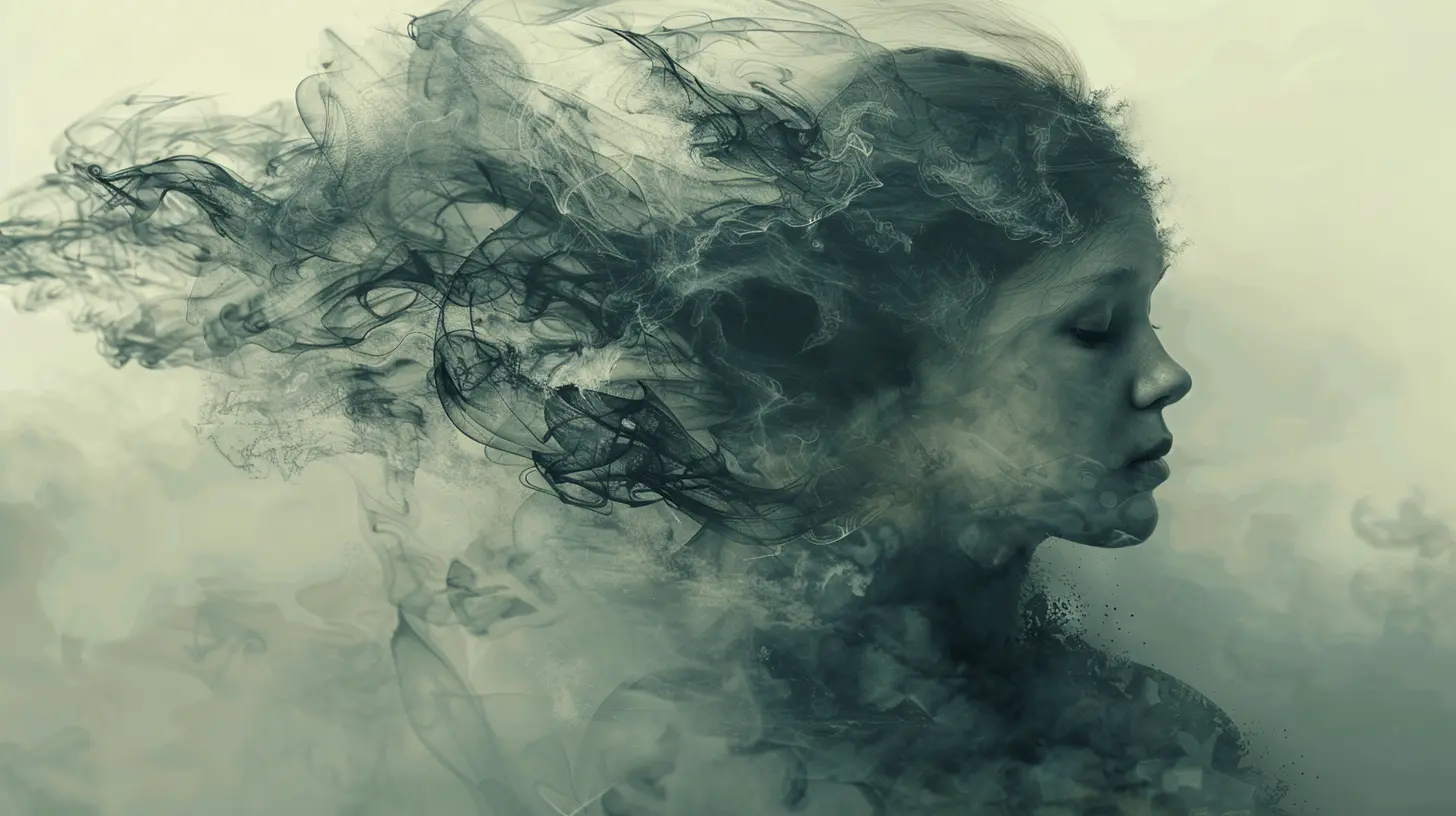
The Silent Struggles: How Childhood Trauma Affects Adult Life
Let’s get real — trauma doesn't just "go away" with time. It hides in plain sight, woven into adult relationships, careers, physical health, and self-worth.Here’s how it often shows up:
1. Relationship Struggles
If you grew up not knowing if today would bring love or harm, trusting others can feel impossible. Many adults with unresolved childhood trauma find themselves:- Attracted to toxic or abusive partners
- Pushing people away, fearing they’ll get hurt
- Struggling with intimacy or vulnerability
Your inner child might be screaming, “Stay safe by staying alone!”
2. Low Self-Esteem
When you’re told (or shown) as a child that you’re “not good enough” or “too much,” those messages stick. It’s like having a bully in your head — 24/7.This can lead to:
- Constant self-doubt
- Perfectionism
- Fear of failure
- Feeling "less than" no matter how much you achieve
3. Addiction and Risky Behaviors
Trying to numb the pain? Many trauma survivors turn to alcohol, drugs, food, gambling, or sex to escape. It’s not about being “reckless” — it’s about finding some way, any way, to feel better… even if it’s temporary.4. Chronic Health Issues
Did you know unresolved trauma can literally make you sick? The stress of carrying those memories can wreak havoc on the body. Common health problems include:- Digestive issues
- Chronic pain
- Autoimmune disorders
- Migraines
- Heart disease
Your body remembers what your mind tries to forget.
Why Some People Develop PTSD (And Others Don’t)
Here’s a question we hear a lot: “Why did my sibling turn out fine, but I’m struggling?”Trauma isn’t about what happened — it’s about how the person experienced it.
Everyone processes trauma differently based on:
- Their personality and sensitivity
- Help they received (or didn’t receive)
- Supportive adults in their lives
- Genetics and brain chemistry
- The severity and length of the trauma
So if you’re dealing with PTSD from childhood trauma, it doesn’t mean you’re weak. It means you were overwhelmed — and your brain did its best to protect you.
Healing Is Possible: Steps Toward Recovery
Here comes the good news: childhood trauma is powerful, but healing is even more powerful.Yes, PTSD can feel like a monster that never sleeps. But with the right approach, it can be managed — and, for many, significantly reduced.
1. Therapy Is Your Best Friend
Specifically, trauma-informed therapy like:- EMDR (Eye Movement Desensitization and Reprocessing) – helps the brain reprocess traumatic memories
- Cognitive Behavioral Therapy (CBT) – helps reframe harmful thoughts
- Somatic Therapy – reconnects the body and mind
Therapy isn’t about digging up pain just to cry over it. It’s about giving your inner child the voice, validation, and care they never got.
2. Build a Support System
Healing doesn’t happen in isolation. Whether it’s a trusted friend, a support group, or an online community, connection is key. You’re not alone, even if it feels that way.3. Practice Self-Compassion
Speak to yourself like you’d speak to a scared little kid — because, in a way, that’s who you’re comforting.Say things like:
- “It wasn’t my fault.”
- “I did the best I could.”
- “I deserve peace and love.”
It might feel weird at first. But those gentle words matter more than you know.
4. Mindfulness and Grounding
Practices like yoga, meditation, deep breathing, or journaling can help you stay anchored in the present. They signal to your nervous system: “Hey, we’re safe now.”Even something as simple as walking barefoot in the grass can help your brain calm down.
5. Set Boundaries Without Guilt
Sometimes healing means saying “no” to people or situations that trigger you — even if they’re family. Your peace is worth protecting.Breaking the Cycle for the Next Generation
If you grew up in survival mode, parenting can feel overwhelming. But the fact that you’re even aware of childhood trauma? That’s huge.You don't need to be a perfect parent — just a present one.
When you create a safe, loving space for your child, you’re rewriting your family’s story. You’re showing that love can be louder than trauma. That safety can be louder than fear.
That healing is louder than pain.
Final Thoughts: You Are Not Broken
You are not broken. You’re a survivor.Childhood trauma is tragic, yes. But it doesn’t define you. It’s a chapter — not your whole story. PTSD might be part of your journey, but it doesn’t get to drive the car forever.
Keep going. Keep healing. Keep loving the parts of yourself you were taught to hide.
Because guess what? You’re worthy. Always have been.
all images in this post were generated using AI tools
Category:
Post Traumatic Stress DisorderAuthor:

Janet Conrad
Discussion
rate this article
2 comments
Kova Cooper
This article effectively highlights the profound connection between childhood trauma and the development of PTSD later in life. Understanding these long-term effects is crucial for mental health professionals and caregivers in providing better support and interventions for affected individuals.
February 3, 2026 at 5:49 AM
Janet Conrad
Thank you for your insightful comment! I'm glad the article resonated with you and emphasizes the importance of understanding childhood trauma in addressing PTSD.
Sylvan Barlow
This article sheds crucial light on the lasting effects of childhood trauma. Understanding its connection to PTSD can empower us to support healing and resilience. Thank you for sharing such important insights to help those in need!
January 15, 2026 at 4:11 AM
Janet Conrad
Thank you for your thoughtful comment! I'm glad you found the insights valuable for supporting healing and resilience.