Empathy as a Tool for Resolving Disputes
3 January 2026
In life, disputes are as inevitable as the sunrise. Whether it's a disagreement at work, a misunderstanding with friends, or even conflicts within a family, disputes are part of our human experience. But here's the big question: How do we resolve them? Some may retreat, others may clash head-on, but there's a tool of immense power that often gets overlooked: empathy.
You might have heard the saying, "Put yourself in someone else's shoes." Well, that's basically what empathy is all about. It's not just about hearing the other person but feeling what they're feeling. Imagine a world where every argument, dispute, or disagreement could be met with understanding and emotional connection. How different would our relationships be?
In this article, we're going to explore empathy's role in resolving disputes, breaking down its significance, and providing actionable ways to use it in your everyday life. Whether you’re dealing with a family argument or a heated workplace issue—trust me, empathy might just be the secret ingredient you’ve been missing.
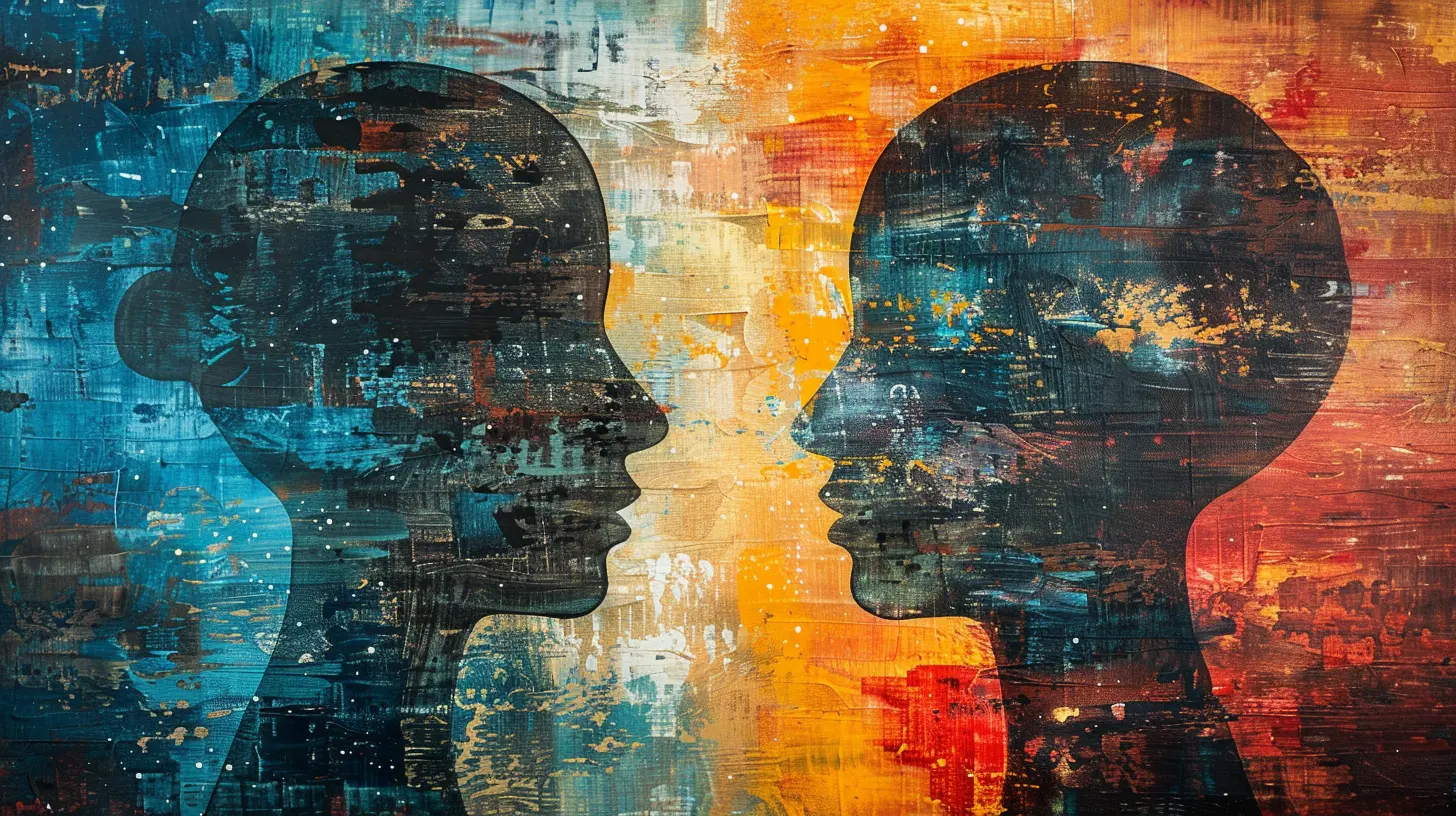
What is Empathy?
Empathy is the ability to understand and share the feelings of someone else. Think of it as emotional teleportation. It's more than just sympathizing with someone—sympathy is understanding someone's pain, but empathy is feeling that pain yourself.In psychology, empathy is broken down into three types: cognitive, emotional, and compassionate empathy. Cognitive empathy means understanding what someone else feels; emotional empathy means you actually feel what they are going through, while compassionate empathy goes a step further by inspiring action to help someone in distress.
You know those rare moments when a friend is pouring their heart out, and it feels like you’re with them in their emotional space? That’s empathy at work. And guess what? This powerful feeling isn’t just good for comforting a friend on a tough day; it can also resolve disputes in ways that logic and reasoning might not.

Why Empathy is Crucial During Disputes
Disputes often trigger strong emotional responses—anger, frustration, confusion, and even hurt. When emotions run high, it becomes difficult for everyone involved to see through each other's perspectives. We become laser-focused on our own feelings, desires, and intentions, often ignoring what the other person is experiencing.Imagine you're in a work meeting and a colleague interrupts you (again!). Immediately, your mind starts racing, "Why can't they let me speak?" or "They never listen!" Anger rises, and soon, a simple work meeting turns into a passive-aggressive back-and-forth.
But what if, instead of reacting emotionally, you took a moment to step into your colleague’s shoes? Maybe they’re feeling stressed out, or maybe they feel unheard. By empathizing, you shift from seeing them as the "enemy" to seeing them as a person with their own struggles. You’d be surprised how quickly that can lower the tension.
So, why is empathy so essential for resolving disputes?
1. Bridges Miscommunication Gaps: Often, conflicts arise because of misunderstandings. When we empathize, we get closer to understanding what the other party is really saying or feeling, even if they struggle to communicate it effectively.
2. Lowers Emotional Intensity: Disputes usually escalate because emotions run unchecked. By tuning into someone else's emotional state, we can diffuse some of the anger or frustration.
3. Encourages Cooperation: Empathy helps create a more cooperative atmosphere. When someone feels understood, they’re more likely to engage in finding a solution rather than digging their heels into their argument.
4. Humanizes the Other Party: In heated moments, we tend to dehumanize the other person, seeing them as the "adversary." Empathy reminds us that they’re human too, with their own hopes, fears, and struggles.

The Power of Active Listening
One of the cornerstones of empathy in dispute resolution is active listening. You might be thinking, "I already listen to people; why would I need to do it differently?" Well, active listening isn’t just about hearing words. It's about truly listening, picking up on emotional cues, body language, and even the unspoken context.What Does Active Listening Look Like?
- Focus completely on the speaker: Put away distractions, maintain eye contact, and listen. I mean really listen.- Acknowledge their feelings: Nod, give verbal confirmations like “I understand” or “I see.”
- Reflect what you hear: After they've spoken, repeat back what you understood. Not verbatim, but something like, "What I'm hearing is that you're feeling frustrated because…"
- Don’t interrupt: This one is tough. It’s easy to want to jump in and defend ourselves or clarify our point. But hold back. Let them get everything out before you respond.
Why is Active Listening Important?
In many disputes, people aren’t even fighting about the actual issue; they’re fighting because they don’t feel heard. Something incredible happens when you show genuine understanding: barriers come down. You might be surprised to find that half the battle is won just by acknowledging the other person’s pain, frustration, or concerns.
Practical Steps to Apply Empathy in Disputes
Now that you understand the power of empathy and active listening, let’s talk action. How do we actually apply this to resolve conflicts?1. Pause and Reflect
Before diving headlong into a heated argument, take a step back. Emotions are like a hot cup of coffee—it’s easy to spill if you move too quickly. Take a deep breath and reflect on the other person's perspective. Ask yourself, "Why might they feel this way?"2. Stay Curious
Instead of assuming you know the full picture, approach the situation with curiosity. Ask open-ended questions like:- "Can you help me understand what’s bothering you?"
- "How did this situation make you feel?"
- "What would make this better for you?"
When you ask with genuine curiosity, it shows the other person that you respect their experience, which can help de-escalate tension.
3. Acknowledge and Validate
Even if you disagree with the other person’s viewpoint, acknowledging their feelings goes a long way. For example, saying, "I see you're really upset; I understand why you feel that way," doesn’t mean you’re admitting fault. It just shows that you value their emotions, and that's crucial for finding common ground.4. Use "I" Statements
When emotions are running high, it’s easy to point fingers. Instead, try using “I” statements to keep the conversation focused on your feelings without blaming the other person. For example, rather than saying, "You never listen," opt for, "I feel unheard when we have conversations like this."5. Find Common Ground
Empathy helps us realize that no one wants to argue just for the sake of arguing. By focusing on the emotions behind the words, you can often find shared feelings or goals. Maybe both parties just want to feel respected, or perhaps both of you want to solve the issue quickly. Emphasizing these commonalities can help with negotiation and compromise.6. Look for the Resolution, Not the Win
When empathy takes center stage, the goal shifts from “winning” the argument to resolving the conflict. Rather than proving the other person wrong, focus on finding a solution that accommodates both sides.Empathy in Different Contexts
1. Workplace Disputes
In the workplace, disputes can quickly escalate and lead to stress, decreased productivity, and even long-lasting grudges. Whether it's a disagreement between coworkers or tension between an employee and a manager, empathy is key to rebuilding trust.Leaders who show empathy towards their teams foster better communication and teamwork. In fact, studies have shown that empathetic leaders often have more effective and engaged teams. If you’re in a leadership position, showing empathy during disputes can make all the difference in how your employees respond and work together.
2. Family Conflicts
Family conflicts are emotionally charged. People often say things they don’t mean just to make themselves heard. In these intimate relationships, empathy can create a bridge between hurt feelings and mutual understanding.As hard as it may be, stepping into your parent's or sibling’s perspective, especially during those intense moments, can soften the conversation and open the door to healing.
3. Romantic Relationships
No relationship is without its fair share of conflicts. In romantic relationships, empathy is the glue that holds partners together. Disagreements can feel deeply personal, but practicing empathy allows you to see your partner as a partner, not an opponent. Engage with their emotional world, validate their feelings, and watch your relationship thrive.
Conclusion: Empathy Changes Everything
Empathy isn't just a feel-good concept; it's a practical, powerful tool for resolving disputes. It transforms arguments from heated emotional stand-offs into opportunities for connection, growth, and understanding.The next time you find yourself in the middle of a dispute, take a beat. Ask yourself, “What’s the other person feeling right now? What are they trying to communicate?” Be present, use active listening, and approach the situation with genuine curiosity. You might just find that empathy not only resolves the dispute but also strengthens your relationship.
all images in this post were generated using AI tools
Category:
Conflict ResolutionAuthor:

Janet Conrad
Discussion
rate this article
2 comments
Finley James
Great insights! Empathy truly transforms conflict into understanding and connection.
January 17, 2026 at 3:25 AM
Janet Conrad
Thank you! I'm glad you found it insightful. Empathy is indeed a powerful catalyst for fostering understanding in conflicts.
Selkie Elliott
Empathy: the secret sauce for settling disputes! Just sprinkle some understanding, stir in kindness, and voilà—issues tackled like magic!
January 7, 2026 at 5:28 AM
Janet Conrad
Absolutely! Empathy transforms conflict resolution by fostering understanding and compassion, making it a powerful tool for peaceful solutions.