Future of Trauma Therapy: What to Expect by 2026
22 April 2026
Ah, trauma therapy. It’s like the emotional equivalent of a deep clean — scrubbing away the cobwebs of past experiences to make room for new, shiny memories. If you’ve ever dabbled in the world of therapy — or even just seen a sitcom with a therapist character — you probably understand that trauma therapy is evolving faster than a cat meme on social media. But here’s the question: what does the future hold for this crucial area of mental health treatment by the year 2026? Buckle up, because we’re about to embark on a light-hearted, yet informative, journey into the crystal ball of trauma therapy.

What Is Trauma Therapy, Anyway?
Before we dive into the nitty-gritty of what’s on the horizon, let’s take a moment to clarify what trauma therapy is all about. Essentially, it’s a specialized form of therapy designed to help people heal from the emotional and psychological effects of trauma. Think of it as a personal GPS system that helps you navigate the twisted roads of your mind after a bumpy ride through life.Trauma can stem from various sources — from childhood experiences to recent life events. The goal of trauma therapy is to help individuals process those experiences, regain control, and move forward, hopefully with a bit of grace, humor, and maybe even a cute cat video or two.

The Rising Demand for Trauma Therapy
If you thought the demand for trauma therapy was high during the pandemic, just wait until 2026! Picture this: a world recovering from the chaos of recent years, where conversations about mental health are as common as discussing the weather. With increased awareness and acceptance, more people are likely to seek therapy. It’s like the world suddenly realized that talking about feelings is cooler than a new smartphone model.Why the Surge?
1. Collective Trauma: The global experience of trauma, particularly from events like a pandemic, has made it clear that mental health is a pressing concern. Just as we have physical health check-ups, mental health check-ups are becoming a part of everyday life.2. Social Media Influence: Remember that one influencer who shares their therapy journey and suddenly everyone wants in? Social media can normalize therapy, making it a trendy topic — much like avocado toast was a few years ago.
3. Increased Accessibility: Thanks to technology, therapy is more accessible than ever. Online platforms are making it easier to connect with professionals, which means more people will have the chance to address their trauma.
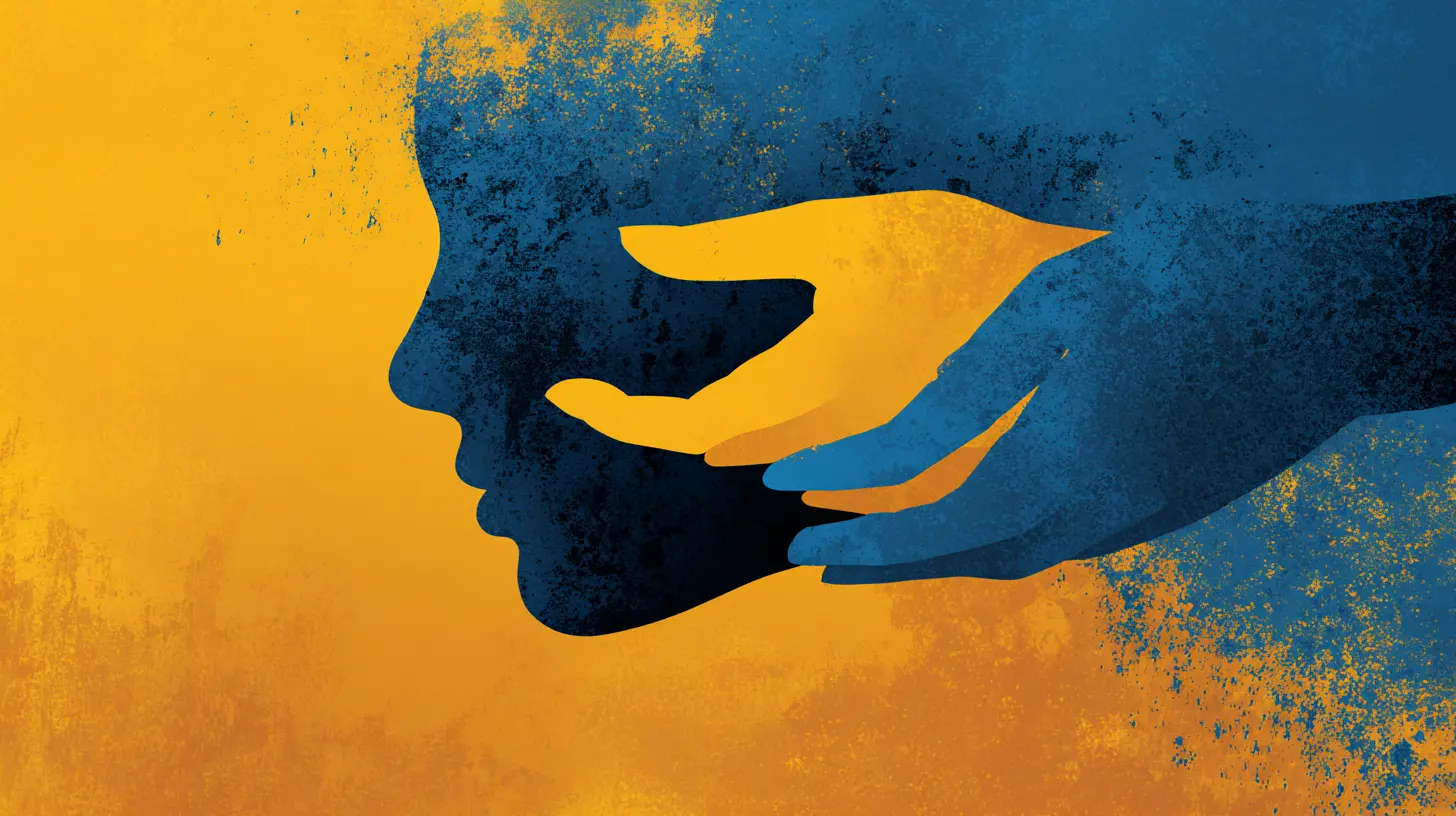
Technology and Trauma Therapy: A Match Made in Heaven
If you thought therapy was all about laying on a couch and talking about your childhood (which, let’s be honest, is still a solid option), you’re in for a surprise. The integration of technology in therapy is like adding sprinkles to an already delicious cupcake — it just makes it better!Virtual Reality (VR) Therapy
Imagine this: you’re in a safe space, and through the magic of VR, you’re transported to a serene beach. You can feel the waves lapping at your feet while a therapist guides you through exposure therapy for your trauma. Sounds dreamy, right? By 2026, we can expect VR therapy to become more widely accepted and utilized, offering immersive experiences that help clients confront their fears in a controlled environment.AI-Powered Support
Ever wished you could have a therapist in your pocket? Well, that’s not far-fetched anymore! AI chatbots are already making their mark in mental health support. By 2026, these virtual companions could be sophisticated enough to provide immediate emotional support, basic coping strategies, and even reminders to breathe. Just imagine your little AI buddy cheering you on: “Hey, take a deep breath! You got this!”
The Shift Toward Holistic Approaches
The future of trauma therapy is not just about sitting in a chair and talking things out. Oh no, my friend! We’re stepping into a holistic realm that views individuals as complex beings with mind, body, and spirit connections. It’s like a well-balanced diet — you wouldn’t just eat chocolate cake for breakfast, right? (Though I wouldn’t blame you if you did!)Integrative Therapies
Get ready for a buffet of therapy options! By 2026, we can expect to see a rise in integrative therapies that combine traditional methods with alternative practices, such as yoga, meditation, and even art therapy. Imagine painting your feelings away or finding zen through a downward dog while discussing your trauma. It’s like therapy meets a spa day — how could it get any better?The Power of Community
Humans are social creatures, and there’s something incredibly healing about sharing experiences with others. Support groups and community-based therapies are likely to become more popular, offering a space for individuals to connect and grow together. Think of it as a book club, but instead of discussing plot twists, you're unraveling your emotional knots together.A New Era of Inclusivity
As the world evolves, so too does our understanding of trauma and how it affects different communities. By 2026, expect trauma therapy to be more inclusive and culturally competent. This means recognizing the unique experiences of individuals from various backgrounds and tailoring therapy to meet their specific needs.Language and Accessibility
Imagine walking into a therapy session and feeling understood — not just in terms of emotions, but also in language, culture, and personal experiences. Therapists are likely to be more trained in cultural competencies, offering services in multiple languages and adapting their approaches to resonate with diverse populations. Think of it as therapy with a side of cultural flair!Trauma-Informed Care
The concept of trauma-informed care is set to become the gold standard in therapy. This approach emphasizes understanding how trauma impacts a person’s life and behavior, ensuring that therapy is a safe space. It’s like creating a protective bubble around individuals so they can explore their feelings without fear of judgment or harm.
The Role of Self-Care
You know that saying, “You can’t pour from an empty cup”? Well, prepare to fill up those cups with self-care practices that are likely to gain traction in the realm of trauma therapy by 2026. It’s not just about the therapy sessions; it’s about what you do in between to nurture your mental health.Mindfulness and Meditation
Mindfulness practices are expected to be a staple in trauma therapy. Picture this: your therapist encourages you to sit in silence, breathe deeply, and focus on the present moment. It’s like giving your brain a spa day! Mindfulness can help individuals ground themselves and manage anxiety, paving the way for healing.Journaling and Creative Expression
By 2026, expect more therapists to encourage journaling, art, and other forms of creative expression. Writing or creating art can be cathartic, allowing individuals to process their thoughts and emotions. Consider it a way to spill your inner thoughts onto the page, freeing up mental space for more positive vibes.The Future: A Journey, Not a Destination
As we look ahead to 2026, it’s essential to remember that the future of trauma therapy is not set in stone. It’s a journey, much like a road trip where you might hit a few bumps along the way. The good news? We’re headed in the right direction, with an emphasis on accessibility, technology, and holistic approaches.The Importance of Flexibility
Flexibility will be key in the evolving landscape of trauma therapy. Just as no two individuals are the same, no single approach will work for everyone. By 2026, therapists will likely tailor their methods to suit individual preferences and needs, ensuring a personalized experience.Embracing Change
Change can be intimidating, but it’s also an opportunity for growth and healing. As trauma therapy continues to evolve, embracing new techniques, technologies, and approaches will be crucial in helping individuals navigate their emotional landscapes. Just as a caterpillar transforms into a butterfly, individuals can emerge from trauma into a place of healing and resilience.
Conclusion: The Bright Horizon Ahead
So, what can we expect from the future of trauma therapy by 2026? A blend of technology, holistic approaches, inclusivity, and a focus on self-care, all wrapped in an understanding of individual experiences. It’s a future where therapy is not a last resort but a vibrant part of our everyday lives — as common as a morning coffee or a nightly binge-watch session.The road ahead may have its twists and turns, but with compassion, innovation, and a little bit of humor, we’re poised for a transformative journey in trauma therapy. So here’s to the healing, the laughter, and the bright horizon ahead!
all images in this post were generated using AI tools
Category:
Trauma RecoveryAuthor:

Janet Conrad
Discussion
rate this article
1 comments
Damon Hubbard
This article offers valuable insights into the evolving landscape of trauma therapy. The advancements in technology and understanding of human psychology are promising. I'm particularly curious about how these developments will enhance accessibility and effectiveness for diverse populations by 2026.
April 29, 2026 at 4:59 AM
Janet Conrad
I'm glad you found the article insightful! The advancements in technology and our growing understanding of psychology do hold great potential for enhancing accessibility and effectiveness in trauma therapy for everyone by 2026.