How Cognitive Biases Influence Conflict and Resolution
15 July 2026
Have you ever found yourself in a heated argument, convinced you're right, only to realize later that maybe—just maybe—you let your emotions cloud your judgment? You're not alone. Our brains take shortcuts when processing information, and while these shortcuts can be helpful, they often lead to cognitive biases. These biases shape how we see the world, how we interact with others, and, most importantly, how we handle conflicts.
So, how exactly do cognitive biases influence conflict and resolution? And more importantly, how can we overcome them to foster healthier relationships? Let’s dive in. 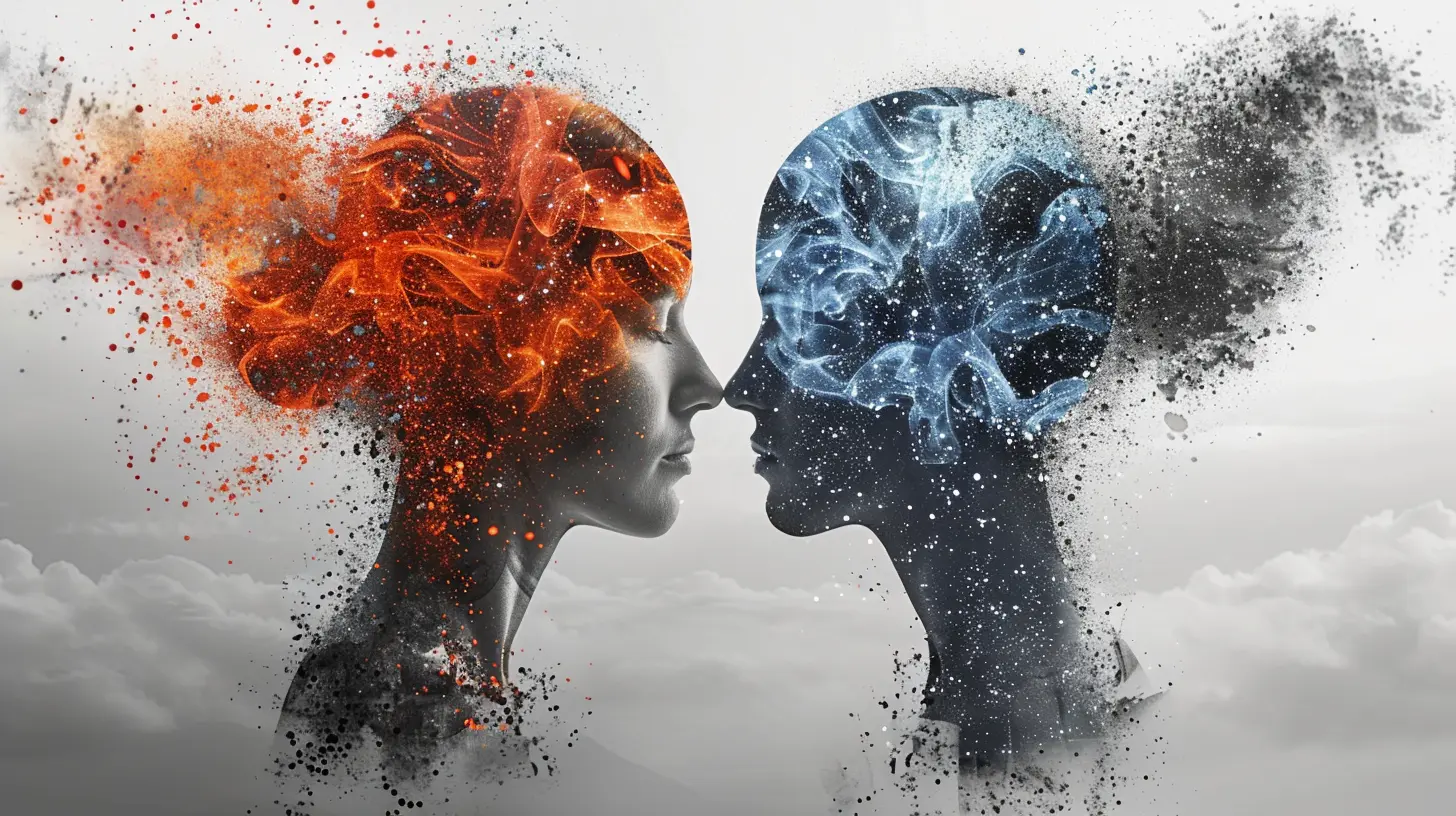
Understanding Cognitive Biases: The Brain's Shortcuts
Cognitive biases are patterns of thinking that cause us to interpret information in a way that aligns with our existing beliefs or emotions. They help us make decisions quickly but often at the cost of accuracy.Think of your brain as a GPS. It tries to get you to your destination (a decision or judgment) as fast as possible. But sometimes, in its rush, it takes a few wrong turns. These wrong turns are cognitive biases—they distort reality and can lead us to make flawed judgments, especially in conflicts. 
Common Cognitive Biases That Fuel Conflict
When emotions run high, cognitive biases become even more powerful. Let's break down some of the most common biases that escalate conflicts:1. Confirmation Bias: Hearing Only What You Want to Hear
We all love being right—so much so that we unconsciously seek out information that supports our existing beliefs while ignoring anything that contradicts them. This is known as confirmation bias.In a conflict, confirmation bias can make you focus only on the evidence that proves you're right, dismissing anything that suggests otherwise. Imagine a couple arguing about finances: one partner believes they are the responsible one, while the other is careless. Each one will highlight examples that reinforce their viewpoint while ignoring instances where the opposite might be true.
How to Overcome It:
- Challenge yourself to consider the other person's perspective.
- Ask open-ended questions rather than just defending your stance.
- Actively listen without rehearsing your next argument in your head.
2. The Fundamental Attribution Error: Blaming Others, Excusing Yourself
When someone cuts you off in traffic, you probably assume they're a reckless jerk. But if you cut someone off, it's just because you were in a hurry, right? This tendency to blame others' actions on their character while excusing our own behavior due to circumstances is known as the fundamental attribution error.In conflicts, this bias makes us see the worst in others while giving ourselves the benefit of the doubt. If a coworker misses a deadline, we might think, “They’re lazy!” But if we miss one? “I had too much on my plate.”
How to Overcome It:
- Give people the same grace you give yourself.
- Consider external factors that may have influenced their actions.
- Communicate before jumping to conclusions.
3. The Hindsight Bias: "I Knew This Was Going to Happen!"
After a conflict or misunderstanding, have you ever thought, "I knew this was coming"? That’s hindsight bias at work. It tricks us into thinking that we "always knew" the outcome, even if we didn’t actually predict it.This bias can lead to unnecessary resentment in relationships. For example, after a failed project, one team member might say, "I knew from the start this wouldn’t work!"—even if they never voiced their concerns before.
How to Overcome It:
- Recognize that outcomes often seem more predictable in hindsight.
- Focus on learning from conflicts rather than placing blame.
4. The Negativity Bias: Giving More Weight to the Bad
Ever noticed how one negative comment can ruin your day, while ten compliments hardly register? That’s the negativity bias—our tendency to focus more on negative experiences than positive ones.In a conflict, this can make small issues feel like huge betrayals. If your partner forgets your anniversary once, negativity bias might make you assume they don’t care about your relationship, ignoring all the good they do daily.
How to Overcome It:
- Keep perspective—one mistake doesn’t define a person.
- Practice gratitude by actively acknowledging positive interactions.
5. The Halo Effect: Letting One Trait Overshadow Everything Else
The halo effect occurs when we let one positive trait influence our entire perception of someone. This can play out in conflicts in two ways:1. Overestimating someone’s goodness – You might downplay harmful behavior because, overall, you “know they’re a great person.”
2. Demonizing someone based on one mistake – If a friend lies to you once, you may assume they’re untrustworthy in all areas of life.
How to Overcome It:
- Judge behaviors individually rather than making sweeping generalizations.
- Separate emotions from facts when evaluating situations. 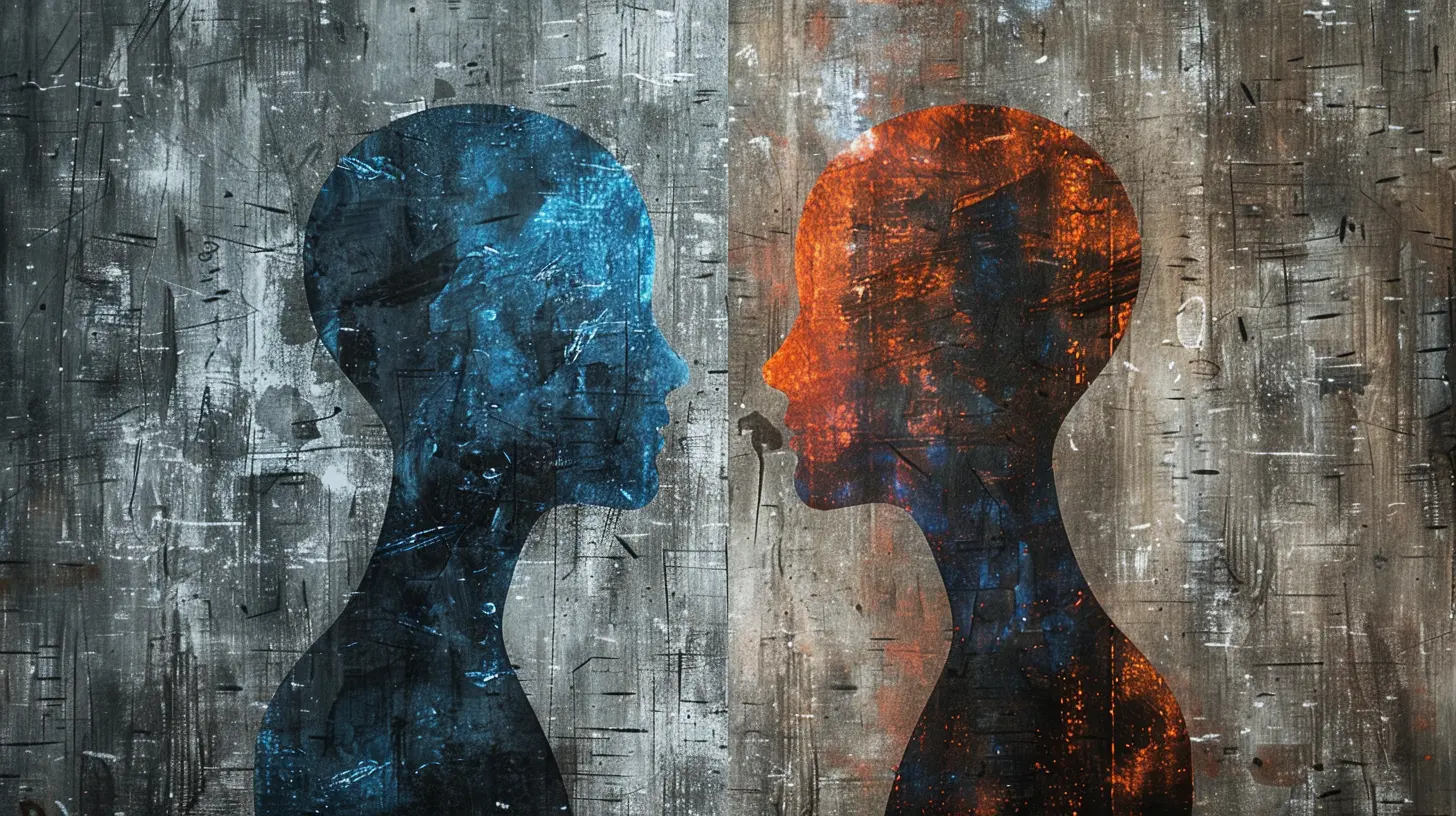
How Cognitive Biases Affect Conflict Resolution
Cognitive biases don’t just cause conflicts—they also make resolving them harder. Here’s how:1. They Prevent Open-Mindedness
If you’re convinced you’re always right (thanks, confirmation bias!), you won’t be open to alternative solutions or compromises.2. They Escalate Emotions
Biases like the negativity bias make conflicts feel worse than they actually are, preventing level-headed discussions.3. They Lead to Misunderstandings
Assuming the worst about someone’s intentions (fundamental attribution error) makes it harder to build trust and find common ground.
Overcoming Cognitive Biases in Conflict Resolution
Now that we know how biases fuel conflicts, how do we counteract them? Here are some practical steps:1. Pause and Reflect
Before reacting, take a deep breath. Ask yourself, “Could a bias be influencing my perception here?”2. Seek Different Perspectives
Talk to a neutral third party. Sometimes, an outside perspective can reveal biases you didn’t even realize you had.3. Practice Active Listening
Instead of thinking about your next rebuttal, truly listen to the other person’s viewpoint. Repeat back what they’ve said to ensure understanding.4. Keep Emotions in Check
Remind yourself that emotions can distort facts. If a conversation becomes too heated, take a break and return with a clearer mind.5. Be Willing to Admit Mistakes
We all have cognitive biases—it’s part of being human. Recognizing them and being open to change can go a long way in improving relationships.Final Thoughts
Cognitive biases are like funhouse mirrors—distorting the way we see situations, people, and even ourselves. While we can’t eliminate them entirely, being aware of them allows us to navigate conflicts more effectively.So, the next time you find yourself in an argument, pause for a moment. Ask yourself: Is my brain playing tricks on me? The answer might just save your relationships.
all images in this post were generated using AI tools
Category:
Conflict ResolutionAuthor:

Janet Conrad