How Personality Affects Your Social Interactions
3 May 2026
Have you ever wondered why some people can walk into a room full of strangers and make instant connections while others prefer to stick to the corners, quietly observing? Or why certain friends always lift your spirits in a conversation, while others seem to drain your energy?
Well, it all comes down to personality.
Personality is more than just whether you're shy or outgoing—it’s the unique blend of traits, behaviors, and thought patterns that shape how you see the world and how the world sees you. It's your social fingerprint, and it plays a huge role in how you communicate, connect, and build relationships with others.
In this article, we're diving deep into how personality affects your social interactions—so you can understand yourself better, improve your communication skills, and maybe even strengthen your relationships. Ready? Let’s get into it.
What Is Personality, Really?
Before we get into the nitty-gritty of how personality impacts your social life, let's first define what personality actually is.Personality is like the engine running behind the scenes of your thoughts, emotions, and behaviors. It influences how you deal with stress, how you express emotions, how much alone time you need, and yes—how you interact with other people.
Psychologists often break personality down using models like the Big Five Personality Traits, which include:
- Openness (creative vs. practical)
- Conscientiousness (organized vs. spontaneous)
- Extraversion (outgoing vs. reserved)
- Agreeableness (compassionate vs. critical)
- Neuroticism (sensitive vs. confident)
Each of us falls somewhere on the spectrum of each of these traits, which collectively shape our personality profile.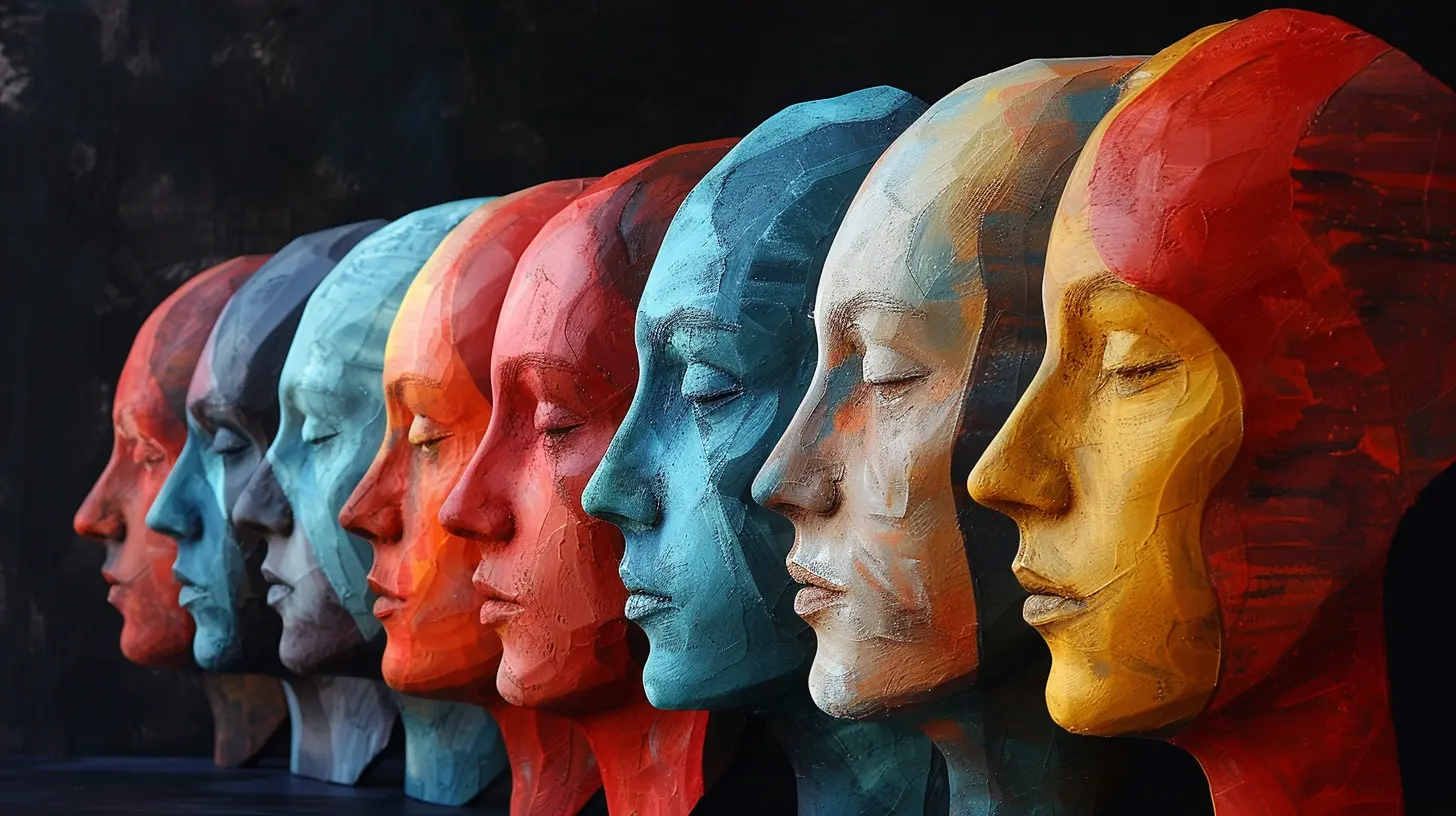
The Social Butterfly vs. The Lone Wolf: How Extraversion Plays Out
Let’s talk about the most talked-about trait: Extraversion.If you’re high in extraversion, people probably describe you as outgoing, energetic, and talkative. You thrive in group settings, enjoy meeting new folks, and your idea of a good time might be a packed party.
But if you lean toward introversion, it doesn’t mean you’re antisocial—it just means you’re more selective about your social interactions. Maybe you prefer one-on-one conversations over loud crowds. Maybe you recharge in solitude rather than a bustling café.
👉 How this affects your social life:
- Extraverts tend to have larger social circles, enjoy networking, and often feel energized after social interactions.
- Introverts tend to develop deeper one-on-one connections and may need downtime after socializing.
Neither is better. It’s just a different way of moving through the social world. It’s like how some plants need full sunlight, while others bloom in the shade.
Agreeableness: The Glue of Healthy Relationships
Let’s face it—being liked matters in social life. And agreeableness is the trait that often determines how well we get along with others.People high in agreeableness are warm, empathetic, and cooperative. They’re the peacekeepers, the listeners, the ones who remember your birthday and actually follow up when they say, "Let me know if you need anything."
If your agreeableness score is low, you might be more skeptical, blunt, or competitive. You keep it real, which can be refreshing, but sometimes it may come off as cold or confrontational.
👉 Social impact of agreeableness:
- High-agreeable people are often better at resolving conflicts, maintaining friendships, and fostering harmony.
- Low-agreeable folks may struggle with trust and emotional closeness but are often seen as strong-willed and assertive.
Striking a balance helps. You want to be kind, but not a pushover. Honest, but not hurtful. It's like seasoning—too much or too little changes the whole flavor.
Conscientiousness: The Quiet Power in Social Reliability
You know that friend who’s always on time, remembers your coffee order, and texts back within seconds? They’re probably high on conscientiousness.This trait is all about being organized, responsible, and reliable. While it may seem more professional than social, it actually plays a big role in the trust and stability of relationships.
👉 Social consequences of high vs. low conscientiousness:
- Highly conscientious individuals are often seen as dependable friends who follow through and show up when it matters.
- Less conscientious people may struggle with commitment or come off as flaky, even if it’s unintentional.
Trust is a cornerstone of social interaction. When people know they can count on you, relationships naturally deepen.
Openness: The Creative Spark in Conversations
Next up is openness to experience, the trait that shapes how adventurous and imaginative you are—not just with travel or hobbies, but also in your relationships.If you’re high in openness, you might be the friend who’s always down for that new sushi place, or the one who throws out philosophical questions at 2 a.m. You’re curious, accepting, and full of surprises.
👉 How openness affects social life:
- High-openness people attract diverse social groups and are more likely to embrace new social ideas or cultures.
- Low-openness folks may prefer routine and familiar environments, leading to more stable but perhaps less diverse relationships.
This trait can keep your social life vibrant and ever-evolving. Think of it as the difference between watching the same movie over and over or bingeing something new every weekend.
Neuroticism: Emotional Waves in Social Tides
Finally, let’s talk about neuroticism, which deals with emotional stability—or the lack of it.High neuroticism often means you're more sensitive to negative emotions. You might overthink things, worry about what others think, or take criticism personally. In contrast, low neuroticism usually comes with emotional resilience and a calm demeanor.
👉 Social impact of neuroticism:
- Higher neuroticism might lead to more misunderstandings, fear of rejection, or emotional ups and downs in relationships.
- Lower neuroticism can promote emotional balance, helping to maintain peace and clarity during social interactions.
Everyone feels anxious or insecure at times. But understanding how prone you are to emotional rollercoasters helps you regulate them better—and creates smoother social rides.
Why Self-Awareness Is the Game-Changer
Here’s the magic part: once you know how your personality influences your social interactions, you can work with your traits—not against them.Self-awareness is like having a GPS for your relationships. You might realize:
- You're introverted and need to plan solo time after social events.
- You’re highly agreeable and need to set stronger boundaries.
- You’re low in openness but want to create new friendships—so you push yourself to try new experiences.
Your personality isn't a fixed label—it’s a guide. And with the right mindset, you can stretch, evolve, and strengthen your interpersonal game without losing your core self.
Personality and Communication Styles
Let’s not forget: how you express yourself is just as important as what you express. And yes, your personality shows up here too.- Extraverts tend to dominate conversations with energy and storytelling.
- Introverts might be more reflective, choosing words carefully and listening intently.
- High-agreeable folks may avoid confrontation, while low-agreeable ones speak more bluntly.
- Neurotic individuals might use more emotionally charged language, while low-neurotic people stay calm and steady.
The way your personality shapes your communication can either build bridges or create friction. But being aware of it—asking yourself “How do I come across to others?”—can completely transform your interactions.
Can You Change How Your Personality Affects Your Social Life?
Short answer: absolutely.While your core personality traits are relatively stable, your behaviors, habits, and social strategies are totally flexible.
For example:
- Want to be more sociable? Practice small talk at your local coffee shop.
- Wish to be more emotionally balanced? Start journaling or breathing exercises to manage stress before social situations.
- Want deeper relationships? Practice active listening and vulnerability.
Small changes lead to big shifts. Like tuning a guitar string, slight adjustments can produce harmony.
Final Thoughts: Embrace Your Social Self
Your personality is your social lens—it filters how you see people and how they see you.But here’s the beautiful truth: no personality is "better" than another. Each brings something unique to the table. The key is to understand your traits, embrace them, and work with them.
So whether you're that introspective thinker who connects deeply with a few or the spontaneous chatterbox surrounded by many, your personality is your superpower in social settings.
Own it. Celebrate it. Use it to build genuine, fulfilling relationships.
Because at the end of the day, the most meaningful connections come not from changing who you are—but from understanding who you are.
all images in this post were generated using AI tools
Category:
Personality TypesAuthor:

Janet Conrad
Discussion
rate this article
1 comments
Skyler Sweeney
Understanding personality fosters connection.
May 5, 2026 at 2:30 AM
Janet Conrad
Absolutely, recognizing different personalities can lead to deeper connections and more meaningful interactions.