How Personality Types Shape Our Relationship with Technology
25 July 2026
Let’s face it—technology is everywhere. From our smartphones to our smart refrigerators (yes, those exist), it’s woven into almost every aspect of daily life. But have you ever stopped to think about why some people are glued to their devices while others treat them like a necessary evil? Or why some folks thrive in digital communities, while others long for face-to-face connection?
The secret sauce could be your personality type.
In this article, we’ll dive deep into how personality types—particularly using popular frameworks like the Myers-Briggs Type Indicator (MBTI) and the Big Five personality traits—shape the way we interact with technology.
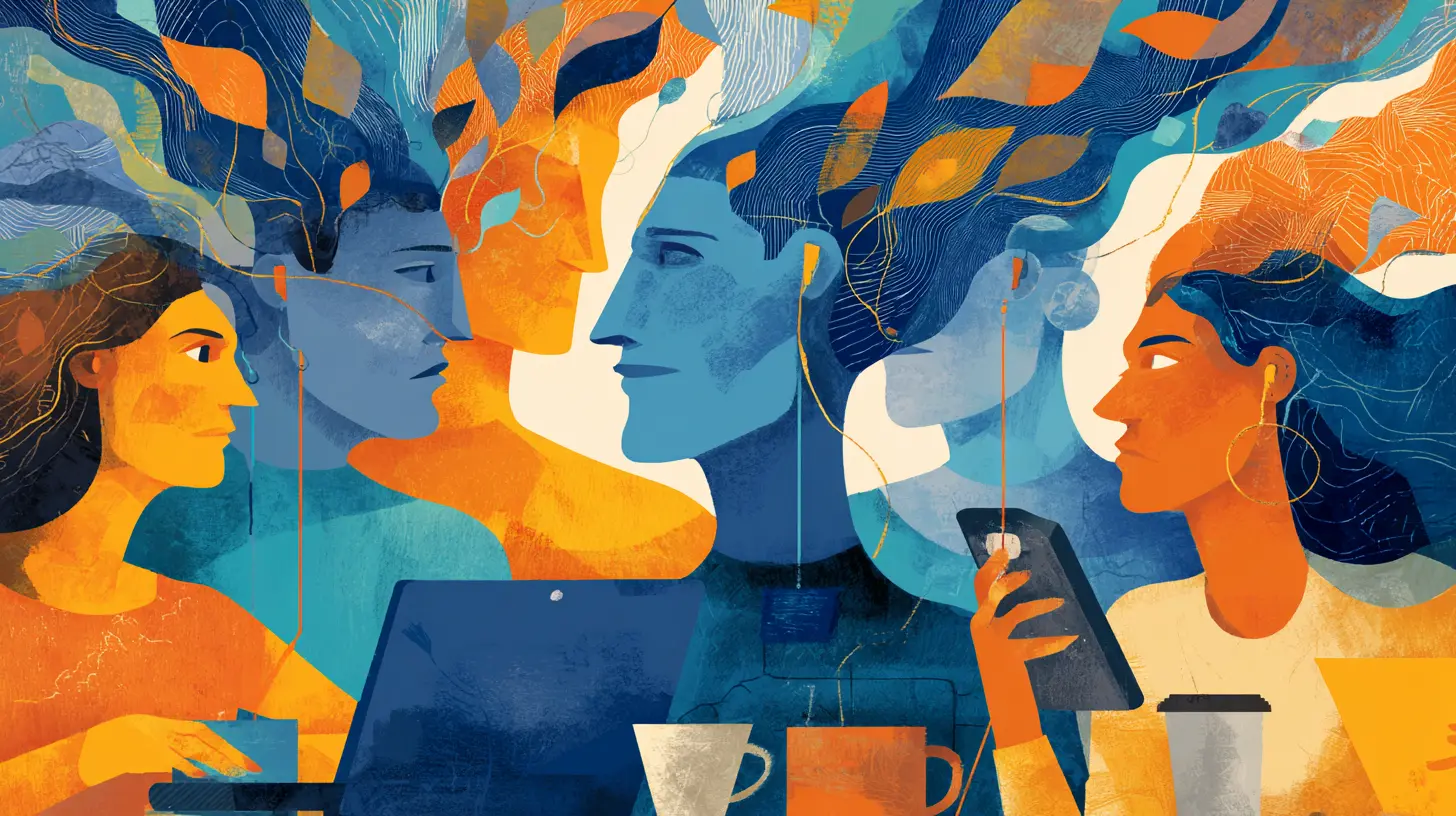
The Digital Mirror: Technology as a Reflection of Self
Before we get into the gritty details, here’s a wild thought: technology doesn’t just change the way we live. It actually mirrors who we are.Different people use technology differently—not because they were taught to, but because of their innate preferences, tendencies, and quirks. Your personality can determine:
- How much time you spend on screens
- The apps you find valuable
- Your comfort with online communication
- Your attitude toward privacy and security
- Even your choice of gadgets
Crazy, right?
Understanding these patterns can help us make smarter choices, improve digital well-being, and (just maybe) understand each other a little better.
MBTI and the Digital Self: 16 Ways to Scroll
Let’s start with the MBTI personality types. Whether you’re an introverted thinker or an extroverted feeler, your type says a lot about your relationship with tech.1. Introversion (I) vs. Extraversion (E)
This one’s a classic.- Introverts often prefer solitary tech experiences. Think reading forums, watching YouTube, or gaming solo. They may love technology for the sense of control and escape it offers.
- Extraverts, on the other hand, are all about connection. Messaging apps, video calls, social media—they thrive on the interaction. Tech is a tool for staying plugged into their social network 24/7.
2. Sensing (S) vs. Intuition (N)
This pair affects how you take in information.- Sensors prefer practical, real-world applications. They love using tech for productivity—spreadsheets, task lists, health-tracking apps.
- Intuitives lean into abstract concepts and imagination. They may be drawn to futuristic tech, VR, or digital art platforms. Think innovation over function.
3. Thinking (T) vs. Feeling (F)
This one's about decision-making.- Thinkers might use technology to optimize, analyze, or solve problems. They’re often early adopters of efficiency tools and data-driven platforms.
- Feelers are more focused on connection and harmony. They’re likely to use tech for emotional expression—journaling apps, creative design, or connecting with close-knit communities.
4. Judging (J) vs. Perceiving (P)
Now we’re talking life structure.- Judgers like order and predictability. They’re likely to have well-organized digital lives—folder systems, calendar integrations, and zero unread emails.
- Perceivers? Not so much. They’ll have 57 tabs open, switch from app to app, and probably deny that digital chaos is even a thing. But hey, they thrive in spontaneity.
Example: A Judging Thinker might build a coded productivity system using Notion, while a Perceiving Feeler might bounce between Pinterest boards, Spotify playlists, and TikTok just vibing.
Cool, huh?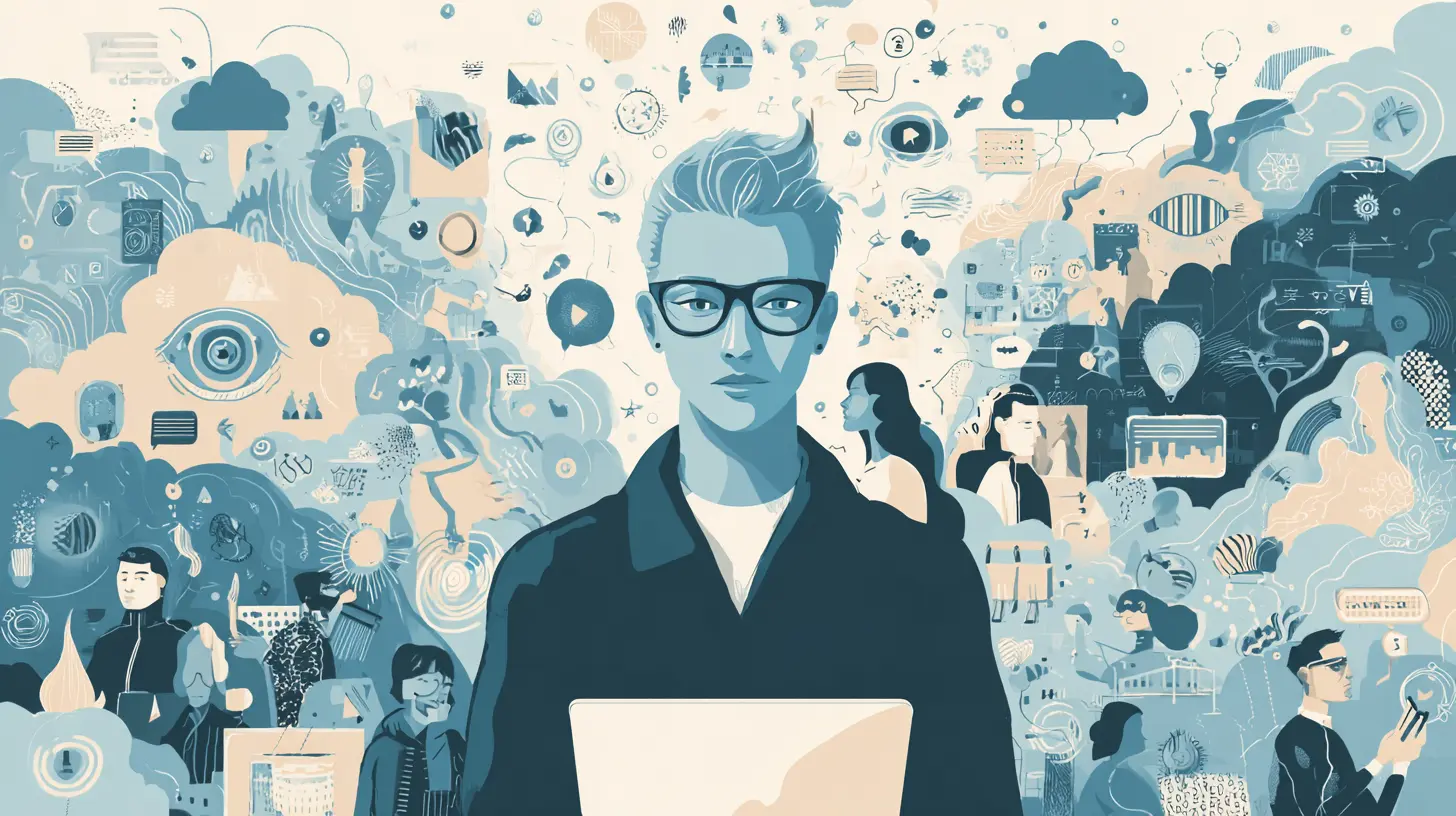
The Big Five: Tech Habits Through a Broader Lens
The Big Five is another widely used personality model, and it adds a few extra layers to the tech puzzle.1. Openness to Experience
High scorers are curious, creative, and open to new ideas. These are your tech explorers—early adopters of new gadgets, apps, or platforms. They’ll try out AI writing tools just for fun.Low scorers? More traditional. They might be slower to adopt new tech, sticking with what works. If they’re still rocking a flip phone, you’ll know why.
2. Conscientiousness
High conscientiousness = digital self-control. These folks are likely to set screen time limits, keep a tidy desktop, and resist the rabbit hole of endless scrolling.Low conscientiousness? Hello, binge-watching Netflix till 3 AM or ignoring 87 unread notifications. Oops.
3. Extraversion
We touched on this earlier with MBTI, but here’s the twist—Big Five Extraverts are also more likely to share personal content online, engage in online communities, and respond quickly to messages. They view tech as a bridge to people.Introverts (again, in this model) tend to use tech more passively: lurking on social media, consuming content rather than creating it.
4. Agreeableness
More agreeable people tend to use technology cooperatively. They’ll share helpful content, use collaborative tools like Trello, and avoid online conflict like the plague.Less agreeable individuals might engage in debates, be more critical in review sections, or thrive in combative online forums (Reddit, anyone?).
5. Neuroticism
Here’s where things get tricky.People high in neuroticism may experience anxiety related to technology—being overwhelmed by notifications, struggling with tech-induced FOMO (fear of missing out), or doomscrolling into the night.
On the flip side, they might also use tech as a coping mechanism: meditation apps, mood trackers, even online therapy.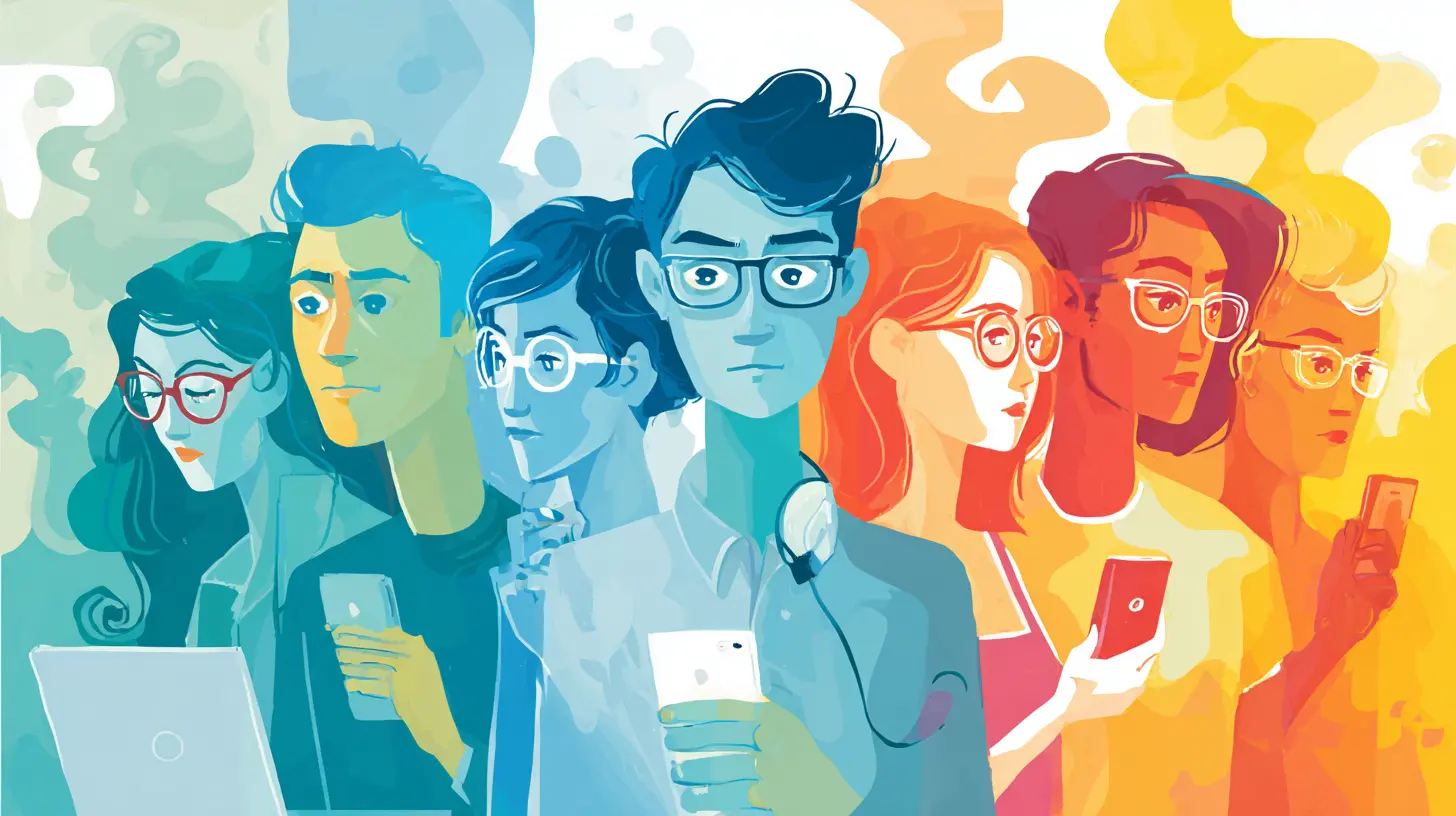
How Personality Affects Tech Use Across Generations
Let’s not forget: personality isn't just personal—it’s generational.- Gen Z may tend toward creativity, openness, and digital fluency. But even within this cohort, introverts prefer Pinterest while extroverts dominate TikTok.
- Millennials are known for adapting early but now value digital balance. High conscientiousness leads many to digital detoxes.
- Boomers and Gen X, depending on personality, are either tech-skeptical or newly tech-proficient. Openness plays a big role here—some dive into social media and others avoid it altogether.
Workplace Tech: The Personality Puzzle
In the era of hybrid work, personality influences how we adapt to workplace tech, too.- Introverts may prefer asynchronous communication—like emails or Slack messages—over Zoom meetings.
- Extroverts might find virtual meetings energizing and love instant messaging.
- Conscientious people will set up meticulous systems on project management tools like Notion or Asana.
- Perceivers, meanwhile, might need reminders but come up with creative solutions others wouldn't think of.
Understanding this can make collaboration smoother and reduce the frustration that tech sometimes brings into our daily workflow.
The Dark Side: Tech Addiction and Personality Risk
Let’s talk about something a little heavier—tech addiction.Not everyone is equally at risk.
- People high in neuroticism may use tech as emotional escapism.
- Low conscientiousness users can fall into compulsive behavior patterns.
- Highly agreeable folks might struggle with boundaries, responding to every message just to be polite.
This isn’t about labeling—it’s about awareness. Knowing your personality helps you recognize when your tech habits are helping you thrive… or dragging you down a rabbit hole.
Can We Hack Our Personality for Healthier Tech Habits?
Absolutely.If you know you're low in conscientiousness, maybe you schedule screen time breaks.
If you're highly open but get overwhelmed by too many apps, you re-evaluate what actually adds value.
This isn’t about changing who you are—it’s about designing your digital life in a way that complements your natural preferences.
Think of it like personality-based UX design… but for your life.
Final Thoughts: Embrace the Digital You
Here’s the bottom line: personality isn’t just influencing your taste in movies or your weekend plans. It’s shaping your entire digital experience.Rather than forcing yourself to use tech in a way that doesn’t feel “you,” why not lean into your strengths?
- Love structure? Build systems.
- Love connection? Find your online tribe.
- Love creativity? Use tech as your canvas.
Technology isn’t one-size-fits-all. It’s a toolbox, and knowing your personality tells you which tools to pick up—and which ones to put down.
So go ahead. Use your digital life as a way to express, not suppress, who you are.
Because at the end of the day, technology doesn’t change personality. It reveals it.
all images in this post were generated using AI tools
Category:
Personality TypesAuthor:

Janet Conrad