The Connection Between Self-Esteem and Conflict Behavior
27 June 2026
Ever found yourself in an argument that spiraled out of control faster than a toddler on a sugar high? Yeah, we’ve all been there. There’s yelling, some finger-pointing, maybe a dramatic door slam (Oscar-worthy performance, honestly). But here's the juicy part—have you ever stopped mid-argument and wondered, “Wait a second… is it just me and my low self-esteem acting out?”
Welcome to the wild (and sometimes wacky) world of psychology, where self-esteem and conflict behavior are more connected than your grandma’s Facebook and a conspiracy theory group chat.
Let’s peel back the layers of this psychological onion together—with a sprinkle of humor, a dash of science, and no BS.
First, What The Heck Is Self-Esteem?
Alright, so before we get knee-deep in the chaos of conflict, let’s talk self-esteem.Self-esteem is like the Wi-Fi of your soul—it affects everything you do, but you only notice it when it's weak. At its core, self-esteem is how you view yourself. It's your inner voice, your self-opinion, your ability to look in the mirror and think, “Yup, I’m doing alright.”
Some people walk around with high self-esteem like they’ve got Beyoncé’s confidence on speed dial. Others struggle to order food without rehearsing it in their head ten times.
Types of Self-Esteem
Let’s break it down further (because we love categories):- High Self-Esteem: You know your worth, you’re assertive, and conflict doesn’t shake you like a leaf in a hurricane.
- Low Self-Esteem: You second-guess everything, avoid conflict like it’s your ex, or launch into defense mode if someone dares criticize your pasta sauce.
- Fragile or Inflated Self-Esteem: A weird combo of feeling superior but being emotionally fragile. One wrong word and—boom—emotional chaos ensues.
Now that we’ve covered self-esteem, let’s mosey on over to the battleground: conflict behavior.
What is Conflict Behavior, Anyway?
Imagine two people with opposite Netflix preferences trying to agree on a show. That’s low-key conflict behavior right there. But in the psychology world, conflict behavior refers to how you respond when your goals, values, or needs clash with someone else’s.Think of it as your emotional fight-or-flight playlist.
Types of Conflict Behavior:
Here are the main “characters” in the conflict behavior story:- Avoidance: Pretend nothing’s wrong. Smile and nod. Cry into ice cream later.
- Aggression: Go full Hulk-mode. Yell, slam, throw shade.
- Passive-Aggression: Smile sweetly while silently plotting revenge via poorly worded text.
- Assertiveness: Speak your truth calmly and clearly without wrecking the room (or the relationship).
Newsflash: The way we react in these situations often boils down to—you guessed it—our self-esteem.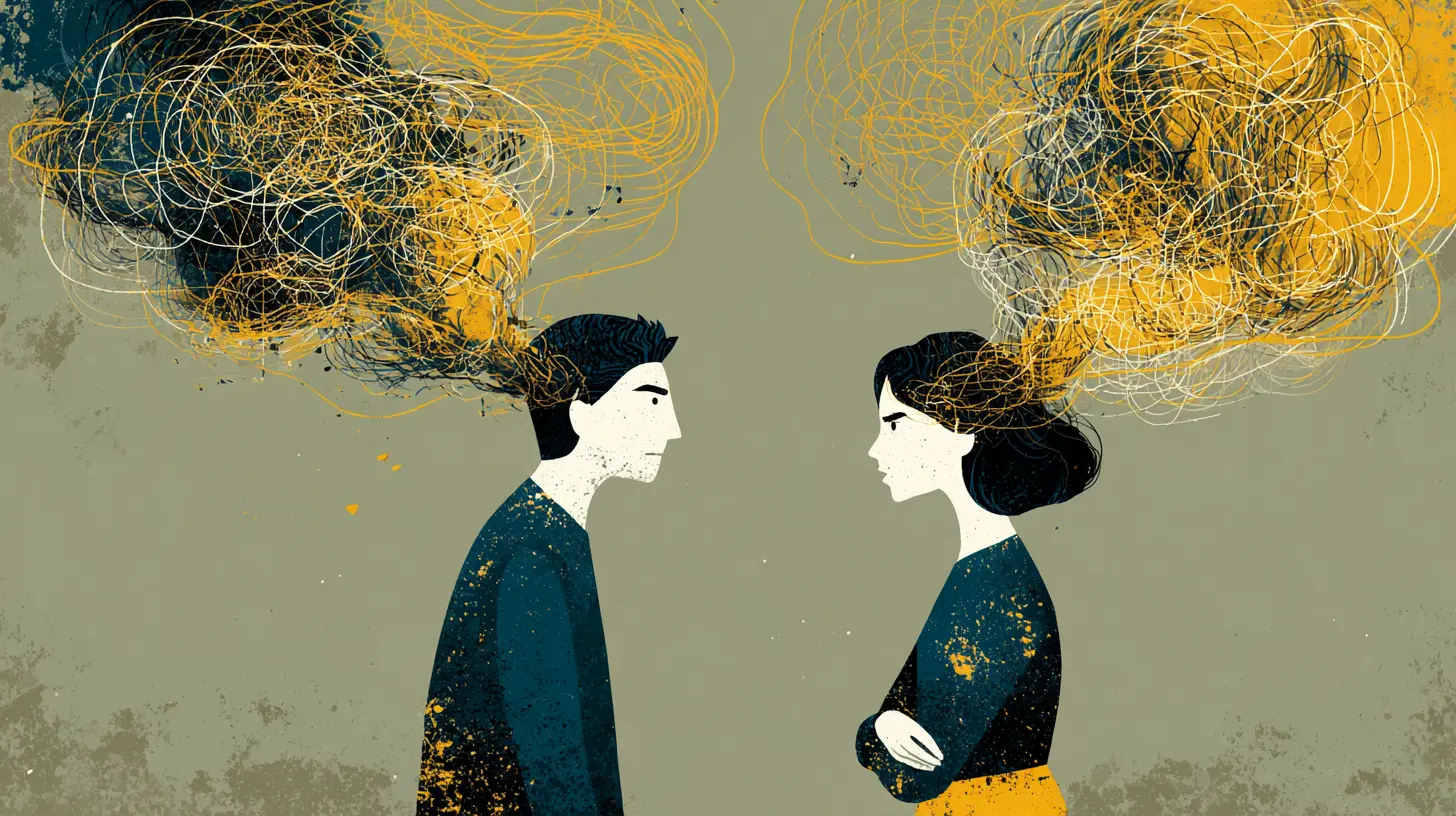
How Self-Esteem Shapes Your Conflict Behavior
Alright, let’s connect the dots.1. Low Self-Esteem = High Conflict Escalation
People with low self-esteem often see criticism as a personal attack. Why? Because if you're already your own harshest critic, someone else chiming in feels like an emotional ambush.So, what happens? They:
- Overreact
- Feel threatened
- Use defensiveness as a shield
- Avoid conflict entirely but stew in resentment
- Or go nuclear over something like, “You forgot to buy oat milk again?”
In short, low self-esteem turns minor disagreements into full-blown soap opera episodes.
2. High Self-Esteem = Healthy Conflict Resolution
Folks with high self-esteem? They’re the Zen masters of arguments. They can disagree with you, express their thoughts, and still offer you a slice of pizza afterward.Why?
Because they don’t tie their entire self-worth to being right or liked. They know conflict is normal. They handle it like mature adults (the ones from the instruction manuals we all wish came with life).
3. Fragile High Self-Esteem = Grade-A Drama
Some people walk around looking confident but crumble like a cookie at the first sign of disagreement. Their self-esteem is more performative than real, meaning conflict becomes a terrifying threat to their inflated ego.They often:
- Get aggressive or super defensive
- Gaslight (no, YOU’RE crazy…)
- Shift blame
- Make everything personal
Basically, they weaponize conflict to protect their fragile ego, even if it leaves emotional carnage in their wake.
Why This Connection Matters (Especially If You're Not a Robot)
Let’s be real: avoiding or mishandling conflict doesn’t just create awkward Thanksgiving dinners. It affects your:- Relationships (romantic, familial, professional—you name it)
- Mental Health (Hello anxiety, my old friend…)
- Self-Growth (You can’t grow if you crumble at every "we need to talk")
Understanding the link between self-esteem and conflict behavior helps you become more aware of your emotional triggers. It empowers you to respond like a rational adult (or at least a semi-reasonable one) instead of a flame-throwing toddler.
Real Talk: Why Do We React the Way We Do?
Okay, time for a little brain science—but I promise, no boring lecture voice.Our brains are wired for survival. When we feel attacked (even emotionally), our amygdala—our brain’s “panic button”—kicks in. This is called the “amygdala hijack,” and it’s about as helpful in a disagreement as a raccoon at a tea party.
People with low self-esteem get hijacked way more often because emotional threats = personal threats.
But when you've got healthy self-esteem, your brain is like, “Chill, we got this.” You’re less defensive, more empathetic, and better able to engage in conflict without becoming a human landmine.
So… How Do You Fix It?
Good news: You're not doomed to a life of bad arguments and self-doubt. Improving your self-esteem is totally doable, and it works wonders on how you handle conflict.Step 1: Know Thyself
Become hyper-aware of your triggers. Is it being interrupted? Criticized? Ignored? Knowing what sets you off is half the battle.Step 2: Challenge Your Inner Critic
That voice in your head saying, “You’re not good enough”? Yeah, it's lying. Start calling it out. You don't need to believe everything your brain says—especially when it's being a jerk.Step 3: Practice Assertiveness
Assertiveness is the sweet spot between doormat and bulldozer. It says, “I matter, and so do you,” without yelling it in someone’s face.Step 4: Therapy is a Superpower
Seriously. Therapy isn’t just for crisis mode. It’s for self-awareness, growth, and learning cool terms like “cognitive distortions” and “emotional regulation.”Funny Example Time (Because Who Doesn’t Love a Good Story?)
Let’s paint a picture.You're in a relationship. Your partner forgets to pick up your favorite snack on grocery day. Tragedy, right?
- Low Self-Esteem You: “They don’t care about me. I’m not important. I should just shut down and not say anything. But also, I’m going to be passive-aggressive for the next 48 hours.”
- High Self-Esteem You: “Hey, I noticed you forgot my snack. I know it's not a big deal, but I'd appreciate it if you remember next time.”
- Fragile Self-Esteem You: “Oh, so now you’re trying to starve me?! Wow. Unbelievable. I guess I don’t matter.”
See how the same situation mutates dramatically depending on how you see yourself?
Final Thoughts: You’re The Common Denominator
Let’s be honest—conflict isn’t going anywhere. People will always press your buttons, often when you least expect it (like during your morning coffee or on a peaceful walk).What you can control is how you respond. And that response is deeply tied to how you see yourself.
If you're constantly feeling attacked, overreacting, or avoiding tough talks like they’re contagious, it might be time to look inward. Self-esteem isn’t just about confidence or mirror pep talks—it’s the foundation of how you relate to the world.
So next time conflict knocks on your door, check your self-esteem thermometer before answering. You might just find a better version of yourself on the other side.
TL;DR (Too Long; Didn’t Read)
- Self-esteem = how you view yourself.- Conflict behavior = how you react when stuff hits the fan.
- Low self-esteem = you’re more likely to get defensive, avoidant, or passive-aggressive during conflict.
- High self-esteem = you handle conflict like a boss.
- Fixing your self-esteem = better relationships, less drama, and more inner peace (and likely fewer thrown objects).
all images in this post were generated using AI tools
Category:
Conflict ResolutionAuthor:

Janet Conrad
Discussion
rate this article
1 comments
Porter Bryant
Understanding self-esteem's role in conflict can empower individuals to manage their interactions more effectively.
July 8, 2026 at 2:28 AM
Janet Conrad
Absolutely, recognizing how self-esteem influences conflict can lead to healthier interactions. It's a crucial insight for personal growth and better communication.