The Importance of Early Intervention for Learning Disabilities
20 August 2026
Let’s face it—watching a child struggle with learning is tough. Whether it's reading, writing, or even picking up simple math skills, the early years are supposed to be when kids build their academic foundation. But when that foundation starts to crack and no one steps in? Things can get really tricky, really fast.
That's where early intervention comes into play. It might sound like a fancy educational buzzword, but honestly, it's one of the most powerful tools we have to help kids who learn differently. What we do early on can shape a child's academic future… and even their self-esteem, relationships, and career path.
In this post, we’re diving deep into why early intervention for learning disabilities isn’t just important—it’s essential. Ready? Let’s jump in.
What Are Learning Disabilities Anyway?
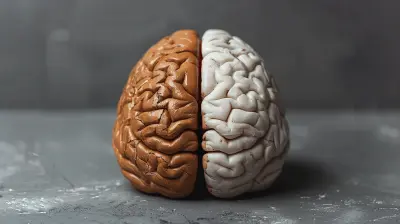
Before we talk about early intervention, it's important to understand what we're dealing with.Learning disabilities (LDs) are neurologically-based processing issues. Translation? A learning disability doesn't mean a child isn’t smart—far from it. It just means their brain processes information differently.
Some common types include:
- Dyslexia (trouble with reading)
- Dyscalculia (difficulty with math)
- Dysgraphia (issues with writing)
- Auditory or Visual Processing Disorders
- Nonverbal Learning Disabilities
Sound familiar? Maybe you know a child who’s bright and curious but struggles with reading aloud. Or maybe math homework turns into a daily meltdown. These could be signs of a learning disability.
Why Timing Matters: The Earlier, The Better
Here’s the thing: the brain is most flexible—the term for that is “neuroplastic”—when we’re young. That means early childhood is the prime time to teach new skills and correct learning pathways before bad habits or anxiety set in.So when we talk about early intervention, we’re talking about stepping in before a small bump in the road turns into a full-blown roadblock.
Think of It Like a Garden
Imagine trying to straighten a tree that’s grown crooked for years. It’s doable, but man, it takes effort. Now imagine guiding that same tree when it’s just a sapling. A few supports, some direction, and it will grow strong and straight with a lot less stress.That’s early intervention in a nutshell.
Spotting the Signs Early
A big part of early intervention is knowing when something’s off. But how can you tell if a 5-year-old is just a late bloomer or actually needs help?Here are a few signs worth watching:
- Difficulty recognizing letters or sounds
- Trouble rhyming
- Avoids reading or writing tasks
- Can’t remember simple instructions
- Has a hard time with numbers or counting
- Struggles with motor skills like coloring or using scissors
Of course, no two kids are the same, and every child develops at their own pace. But if several of these signs show up consistently? It's time to dig deeper.
The Emotional Impact of Ignoring the Problem
Let’s talk feelings for a second.When kids don’t get the help they need, they might start believing the problem lies with them. Not with how they learn, but who they are. That’s heartbreaking.
❝I can’t do this. I must be dumb.❞
These self-defeating thoughts can snowball—leading to anxiety, low self-esteem, behavioral issues, and even depression.
By intervening early, we’re not just teaching academic skills—we’re protecting a child’s mental health and emotional well-being.
What Does Early Intervention Look Like?
There’s no one-size-fits-all approach. The kind of support a child needs depends on their specific learning challenges. But generally, early intervention may include:1. Specialized Instruction
Trained teachers can use tailored strategies that help a child learn in a way that works best for them. Reading programs for dyslexia, for instance, often use multisensory techniques—basically, teaching through touch, sight, and sound.2. Therapies
Occupational therapy, speech-language therapy, or even behavioral therapy might be part of the puzzle. These specialists work on developing skills that support learning from the ground up.3. Individualized Education Programs (IEPs)
In the public school system (especially in the U.S.), kids diagnosed with a learning disability can qualify for an IEP—a custom roadmap that ensures they get the support they need in school.4. Family Support and Training
Helping parents and caregivers understand how to support their child at home is a huge piece of the puzzle. After all, learning doesn’t stop when the school bell rings.5. Assistive Technology
Simple tools—from text-to-speech software to specialized calculators—can level the playing field and boost a child’s confidence.Benefits That Last a Lifetime
Here’s the good news: early intervention works. And we’re not just talking about marginal improvements. Studies show that kids who get help early are more likely to succeed academically, socially, and emotionally.Let’s break it down.
Academic Success
When kids get help early, they’re less likely to fall behind—and more likely to graduate on time.Improved Self-Esteem
Success breeds confidence. When a child feels capable, they’re more willing to take on challenges and stick with difficult tasks.Reduced Behavioral Problems
A lot of behavior issues are actually frustration in disguise. When kids can understand what's being taught, they're less likely to act out.Long-Term Independence
The earlier we catch and address learning challenges, the more time kids have to develop coping strategies that stick with them into adulthood.Common Myths About Early Intervention
Let’s bust a few myths while we’re here.❌ “They’ll just grow out of it.”
Waiting and seeing might work for a cold—not a learning disability. Early challenges won’t fade without support.❌ “He’s just lazy.”
This is probably one of the most harmful myths out there. Learning disabilities have nothing to do with motivation. Kids want to succeed—they just need the right tools.❌ “She’s just being dramatic.”
Children don’t fake stress or fear over school. If a child dreads reading or avoids homework like the plague, it’s worth asking why.How Parents and Teachers Can Work Together
Teamwork makes the dream work, right? When parents and teachers are on the same page, it’s easier to catch issues early and create a plan that really works for the child.Parents: It Starts at Home
- Trust your instincts. You know your child better than anyone.- Keep communication open with teachers.
- Don’t be afraid to ask for evaluations or assessments.
Teachers: Be Proactive
- Watch for red flags.- Keep detailed notes on student progress.
- Reach out to parents early when concerns arise.
The Role of Schools in Early Intervention
Schools are the front lines when it comes to spotting and supporting kids with LDs. That’s why having strong intervention programs is crucial. Things like Response to Intervention (RTI) and ongoing screenings can catch learning issues before they become full-blown challenges.But here’s the thing—schools can’t do it alone. Funding, training, and resources vary wildly. That’s why advocating for better special education services at the district or national level is also part of the solution.
What Happens If We Wait Too Long?
Short answer? It gets harder. Not impossible—but harder.Kids who don't get help early often fall behind more with each passing year. The gap between their ability and what’s expected of them keeps growing. And as that gap widens, frustration, shame, and failure become too common.
By the time a learning disability is finally identified, the child may already have years of academic scars.
Wrapping It Up: Every Year Counts
If there’s one message to take away from all this, let it be this: don't wait.Early intervention for learning disabilities isn't just an "extra"—it's a necessity. It can change the entire trajectory of a child’s life. And here’s the best part: the earlier we act, the better the outcome.
So whether you're a parent, a teacher, a family friend, or just someone who cares, keep your eyes open. Speak up if something doesn't feel right. Be the person who helps a child get what they need—before their confidence breaks, before school becomes scary, and before a learning disability turns into a lifetime struggle.
You never know—you might just change a life.
all images in this post were generated using AI tools
Category:
Learning DisabilitiesAuthor:

Janet Conrad