Understanding Conflict Styles: Are You a Fighter or a Peacemaker?
2 August 2026
Conflict. Yeah, that word alone can spark a reaction in most of us. Maybe it makes your heartbeat quicken. Maybe it makes you sigh deeply. Either way, it’s something we all deal with—whether in a heated argument or just a passive-aggressive text message. But have you ever stopped to think about how you personally react when tensions rise?
Do you lock horns like a warrior going into battle? Or do you smooth things over, trying to keep the peace at all costs?
Understanding your conflict style (and others’) can be a total game-changer—not just in your personal relationships but at work, with friends, and even strangers. So, let’s break it down together and figure out: are you a fighter or a peacemaker?
What Is a Conflict Style?
Let’s start with the basics. A conflict style is basically your go-to way of dealing with disagreements. Think of it like your autopilot mode when things get tense. It's not always something we consciously choose—often, our style comes from how we were raised, past experiences, or even our personality type.Some people face conflict head-on, while others dodge it like it’s a dodgeball flying straight at their face. Neither is inherently "wrong." Each style has its pros and cons. Knowing your style helps you respond more intentionally rather than reacting out of habit.
Why Conflict Styles Matter
You might be wondering, "Why should I care about this?" Well, because conflict isn’t going anywhere. It's a part of life. And how you handle it can make or break your relationships and even your mental well-being.When you understand your style, you're better equipped to manage your emotions, communicate clearly, and actually resolve the issue instead of making it bigger. Plus, it helps you empathize with others who handle conflict differently—cue fewer misunderstandings and more harmony.
Basically, it’s emotional intelligence in action.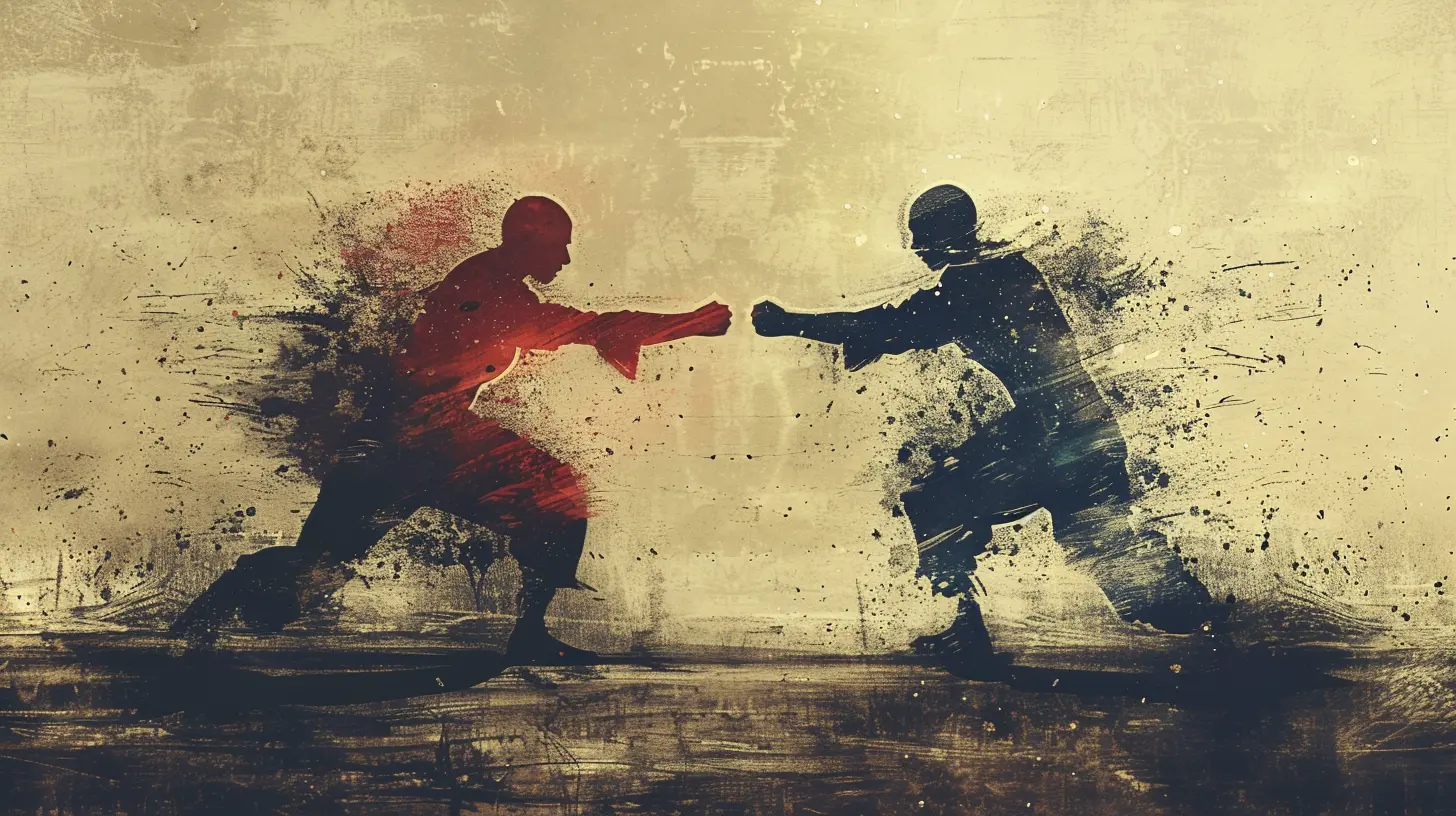
The Five Main Conflict Styles
Psychologists usually break conflict styles down into five main categories. These were first introduced by Kenneth Thomas and Ralph Kilmann—two dudes with a knack for understanding human dynamics. Let’s take a look at each one and see where you fit.1. Competing (The Fighter)
This is the “I’m right and I’ll prove it” approach.If you lean toward the competing style, you're probably assertive, bold, and maybe a little intense during disagreements. You’re like a courtroom lawyer, ready with facts, logic, and passion.
Pros: You get things done, stand your ground, and can be effective in crises where a quick decision is necessary.
Cons: You may bulldoze others, overlook feelings, or strain relationships. Not every hill is worth dying on, right?
When it works: High-stakes decisions or emergencies.
When it backfires: Everyday disagreements or sensitive topics.
2. Avoiding (The Escape Artist)
This is the “Nope, not dealing with this” style.Avoiders would rather fake a smile than dive into a disagreement. If this is you, conflict feels overwhelming or just not worth the drama. You might walk away (literally or emotionally), change the subject, or delay the conversation indefinitely.
Pros: You prevent unnecessary escalation and keep things calm—at least on the surface.
Cons: Problems often fester. Plus, you might come off as indifferent or passive-aggressive without meaning to.
When it works: Minor issues that aren’t worth the mental headache.
When it backfires: When unresolved issues stack up like dirty laundry.
3. Accommodating (The Peacemaker)
Cue the people-pleasers.If you're accommodating, you likely prioritize harmony over being right. You may give in easily to avoid hurting someone or keep the peace, even if it costs you.
Pros: You’re kind, empathetic, and often de-escalate tension quickly.
Cons: You may lose your voice or end up resentful. Always saying “yes” can quietly eat away at your self-worth.
When it works: When the issue is minor, and the relationship matters more.
When it backfires: When your needs are constantly sidelined.
4. Collaborating (The Problem Solver)
This one’s basically the teamwork dream.Collaborators aim for win-win outcomes. If you lean toward this style, you're probably curious about the other person’s side and genuinely want to find a solution that works for both of you. You’re the glue that helps hold relationships together.
Pros: Builds trust, resolves conflicts meaningfully, and strengthens relationships long-term.
Cons: Takes time and emotional energy. Not always practical for quick decisions.
When it works: Complex problems with shared goals.
When it backfires: When the other person isn’t willing to collaborate back.
5. Compromising (The Negotiator)
This is the classic “meet me halfway” approach.Compromisers don’t need a perfect solution—just a fair one. You're likely someone who values balance and believes in give-and-take.
Pros: Quicker than collaboration and more proactive than avoidance.
Cons: Both sides may walk away a little unsatisfied. Sometimes, it's a band-aid on a deeper issue.
When it works: When time or resources are limited.
When it backfires: When deeper needs aren’t addressed.
So... Are You a Fighter or a Peacemaker?
Okay, now the moment of truth. Think back to your last few disagreements. How did you act? Did you confront it directly, avoid it, or try to make everyone happy?If you’re a fighter, you probably lean toward competing or sometimes compromising.
If you’re a peacemaker, you likely lean into accommodating or avoiding.
But here’s the kicker: we’re not just one style. Most of us have a dominant style but shift around depending on the situation or person involved.
You might be a total fighter at work but a peacemaker in your relationship. That’s normal. Context matters.
What Shapes Your Conflict Style?
So why do you fight or flee?Here are a few factors that shape your conflict tendencies:
- Upbringing: Did your parents yell it out or sweep it under the rug? That likely influenced you.
- Culture: Some cultures value directness; others emphasize saving face.
- Personality: Introverts might lean toward avoiding, extroverts toward competing or collaborating.
- Past experiences: If conflict led to hurt before, you might avoid it now.
- Current stress levels: Let’s be honest—on a bad day, we’re all a little more reactive.
Once you understand why you respond a certain way, you can start to adjust your response—especially when your go-to style isn’t serving you.
How to Improve Your Conflict Style (No Matter What It Is)
The goal isn’t to change who you are but to handle conflict in healthier, more effective ways. So whether you're a firecracker or a peace guru, here are some simple ways to improve:1. Pause Before You React
Let’s face it—emotions can hijack our brains. Take a breath before launching into fight or flight mode.2. Use “I” Statements
Instead of “You never listen,” try “I feel ignored when I’m not heard.” Simple tweak, huge impact.3. Learn Active Listening
That means not just waiting your turn to talk. Actually hear the other person. Reflect back what they’re saying. Empathy goes a long way.4. Set Boundaries
Don’t confuse peacemaking with people-pleasing. Saying “no” or “I need time” can be powerful.5. Grow Your Emotional Intelligence
The more self-aware you are, the better you’ll handle conflict. Journal, go to therapy, or read up on emotional regulation.Conflict Isn’t the Enemy—Avoiding Growth Is
A lot of us treat conflict like it’s toxic. We avoid it, fear it, or bulldoze through it to make it go away faster. But conflict can actually be a catalyst for deeper connection if handled well.Think of it like a forest fire that clears the way for new growth. Sure, it’s uncomfortable. But in the aftermath, there’s space for understanding, compromise, and healing.
So whether you’re a born fighter or a natural peacemaker, it’s all about learning to ride the waves of disagreement without capsizing the whole boat.
Final Thoughts: Balance Is Key
No conflict style is perfect. And honestly, no one style fits every situation. The trick is learning to read the room, stay grounded in your values, and flex your approach as needed.Fighter? Awesome—bring that strength and clarity but soften with empathy.
Peacemaker? Beautiful—keep that harmony but speak up when it counts.
At the end of the day, conflict is inevitable. But how we handle it? That’s where the real power lies.
So, next time conflict knocks on your door, how will you answer? Fighter? Peacemaker? Or maybe… just maybe, a little of both?
all images in this post were generated using AI tools
Category:
Conflict ResolutionAuthor:

Janet Conrad