Understanding Power Dynamics in Conflict Resolution
8 August 2026
Conflict is a part of life—whether it’s a disagreement with a friend, a workplace dispute, or a full-blown family argument about who gets the last slice of pizza. But have you ever noticed that some people always seem to have the upper hand in arguments? That, my friend, is power dynamics at play!
When we talk about resolving conflicts, power isn't just about who's the loudest or most assertive. It’s the invisible force shaping how discussions unfold and, ultimately, who walks away feeling like they "won" (or at least didn't lose). So, let’s break it down and understand how power influences conflict resolution—and how you can use this knowledge to your advantage. 
What Are Power Dynamics?
Power dynamics refer to the way power is distributed in relationships and interactions. It's a mix of authority, influence, and control. Some power is obvious—like a boss over an employee or a teacher over a student. But other times, power is more subtle, like the emotional leverage one person has in a relationship.Think of it like a game of tug-of-war. In some conflicts, one side has a stronger grip, while the other is struggling to keep their balance. Understanding these forces can help you navigate conflicts more effectively, without feeling like you're being dragged through the mud. 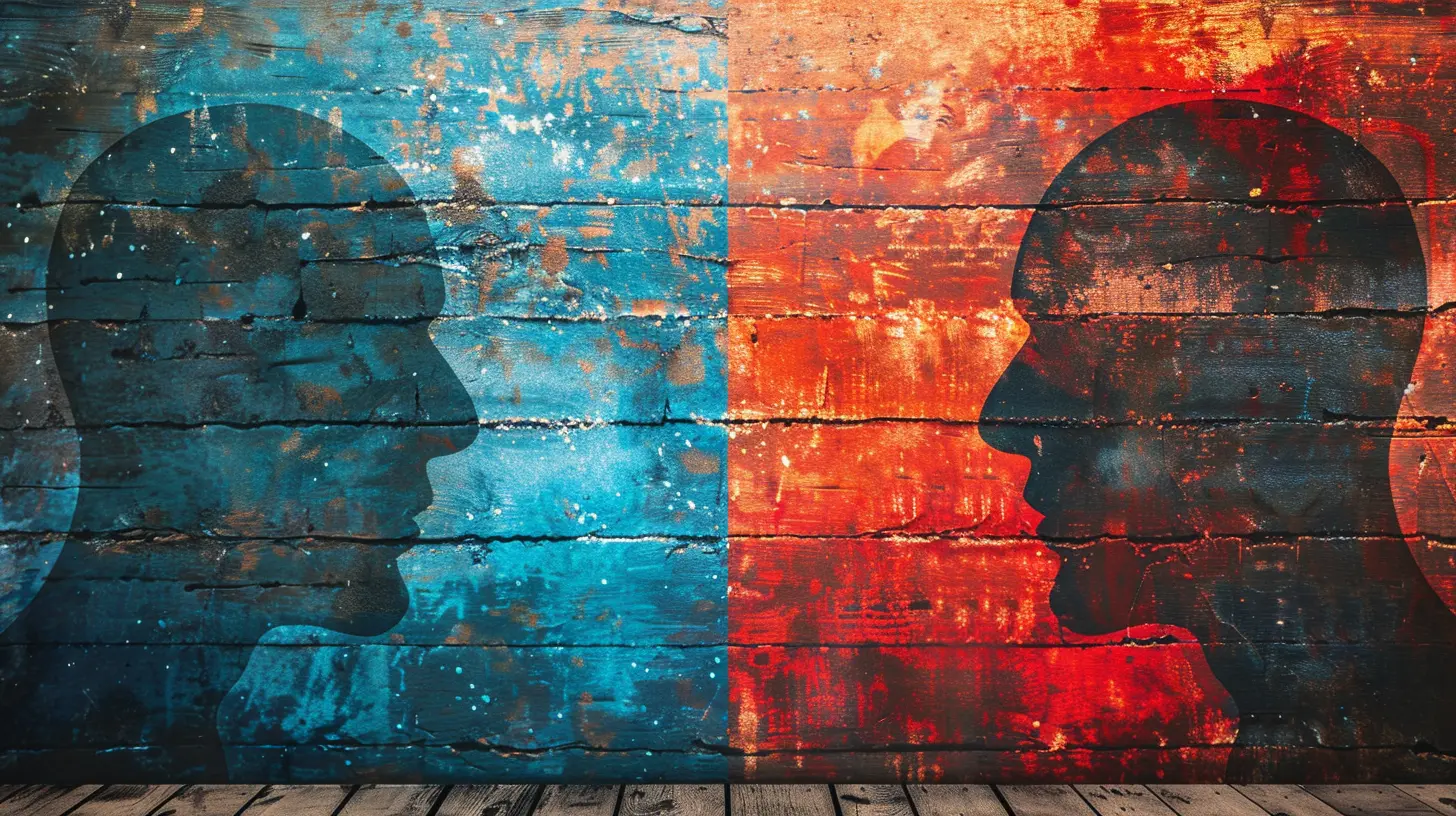
The Different Types of Power in Conflict
Not all power is created equal. There are different types of power at play in every conflict. Let’s take a closer look at some of the most common ones:1. Positional Power (aka "Because I Said So" Power)
This comes from someone's role or position in a hierarchy. Your boss, a judge, or even a parent has positional power simply because of their title. They don’t necessarily need to yell or argue to win a dispute—their authority does the talking.How it affects conflict resolution:
- People with positional power often have the final say.
- Lower-power individuals may feel reluctant to argue.
- Power imbalances can lead to resentment if not handled carefully.
2. Expert Power (aka "Trust Me, I Know Things")
Ever notice how doctors and lawyers have a certain persuasive edge? That’s expert power. This type of power comes from knowledge, skills, or expertise in a particular area.How it affects conflict resolution:
- People tend to defer to experts in their field.
- Arguments can be won based on facts rather than emotions.
- If someone challenges an expert, they better come prepared with solid evidence!
3. Coercive Power (aka "Do It or Else")
This is power based on fear, threats, or consequences. A boss who threatens to fire employees or a partner who gives silent treatment wields coercive power.How it affects conflict resolution:
- It can force short-term compliance but damages relationships in the long run.
- Often leads to resentment and resistance.
- More effective when used sparingly (and ethically).
4. Referent Power (aka "The Cool Factor")
Some people just have that natural charisma that makes others want to follow them. This power comes from admiration, respect, or personal connection (think celebrities, influencers, or that friend who always seems to be the life of the party).How it affects conflict resolution:
- People are more likely to listen and cooperate.
- Requires trust and credibility to be effective.
- Can help mediate conflicts by acting as a neutral, persuasive force.
5. Reward Power (aka "What’s in It for Me?")
When someone can offer something desirable—money, promotions, praise, or even love—they hold reward power.How it affects conflict resolution:
- People are more likely to cooperate if they see a benefit.
- Can be used as a negotiation tool.
- If the rewards disappear, so does the influence. 
How Power Dynamics Shape Conflict
Now that we know the different types of power, let's talk about how these dynamics shape conflict. Power influences not only who "wins" but also the way a dispute plays out.1. Who Holds the Power?
Ever walked into an argument feeling like the underdog? That’s because power disparities affect how much control each party has. If one person has significantly more power, the weaker party may feel pressured to concede—even if they’re right.2. The Balance of Power
When power is evenly distributed, conflicts are more likely to be resolved through negotiation rather than force. But when one person holds all the power, the conflict may turn into a one-sided decision rather than a fair resolution.3. Shifting Power During Conflict
Power isn’t static—it can shift depending on how the conflict unfolds. A well-prepared argument, a compelling emotional appeal, or even public support can rebalance power and give the weaker party more influence.
Tips for Managing Power Dynamics in Conflict Resolution
Understanding power is great, but knowing how to use it effectively? That’s next-level conflict resolution. Here are some practical tips:1. Recognize the Power Imbalance
Before jumping into a conflict, take a step back and assess who holds the power and why. Is it positional? Based on expertise? Emotional influence? Knowing this helps you strategize your approach.2. Use Your Own Power Wisely
If you’re the one with more power, don't bulldoze your way through conflicts. Use your influence responsibly—consider the perspectives of others and strive for fair outcomes.3. Strengthen Your Own Power
If you’re on the weaker side of a power dynamic, find ways to level the playing field. Use facts (expert power), leverage alliances (referent power), or appeal to shared interests (reward power).4. Aim for Collaboration, Not Domination
The best resolutions happen when both sides feel heard and respected. Instead of using power to "win" an argument, aim for a solution where everyone benefits.5. Set Boundaries Against Coercive Power
If someone is using threats or manipulation, set firm boundaries. Stand your ground and don’t be afraid to call out unfair tactics.Power, Conflict, and Everyday Life
Power dynamics aren’t just for boardrooms or politics—they show up in everyday life. From deciding where to eat with friends to negotiating salaries, understanding power can help you navigate conflicts smarter.At the end of the day, power in conflict resolution isn’t about control—it’s about influence. The better you understand it, the more effectively you can communicate, negotiate, and find fair solutions (without flipping the table in frustration).
So, next time you find yourself in a disagreement, take a moment to assess the power dynamics at play. You might just walk away with a win—or at least, the last slice of pizza.
all images in this post were generated using AI tools
Category:
Conflict ResolutionAuthor:

Janet Conrad