3 Things That Make You More Likely to See Ghosts, According to a Psychologist
June 3, 2026 - 03:01
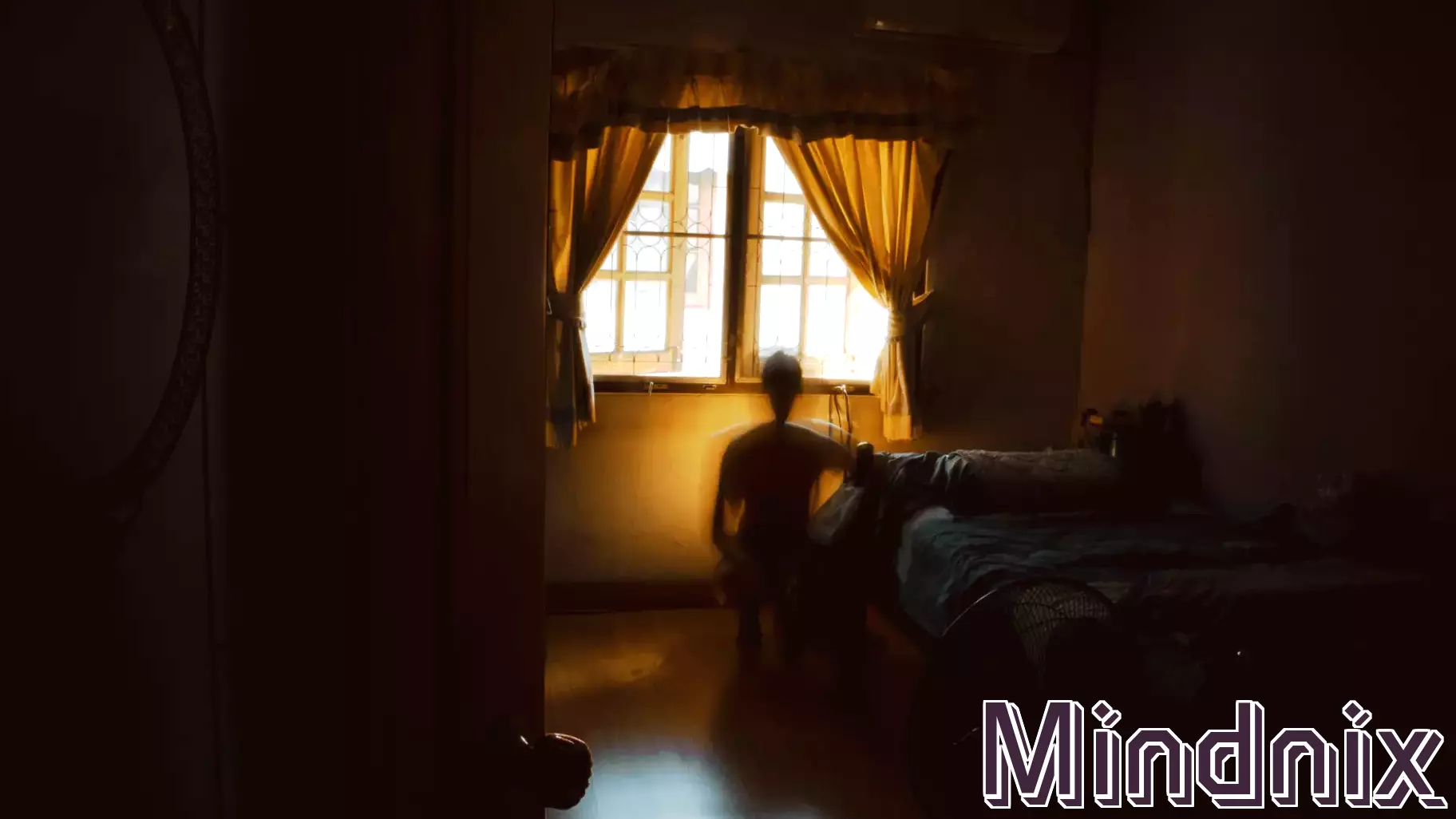
About one in five Americans report having seen a ghost at some point in their lives. For the other four, the experience remains a mystery. A psychologist who studies paranormal beliefs says the difference often comes down to how our brains work, not what is actually out there.
First, people who are highly suggestible tend to report more ghost sightings. If you are prone to accepting ideas without strong evidence, or if you easily absorb the mood of a spooky environment, your brain may fill in gaps with a ghostly figure. Second, sleep paralysis plays a major role. During this state, the mind wakes up while the body remains frozen. People often see shadowy figures or feel a presence in the room, which feels real even after they fully wake up. Third, those with a tendency toward pattern recognition may see faces or shapes where none exist. This is called pareidolia. In a dim hallway or a grainy photo, the brain tries to make sense of random shadows and noise, sometimes creating a ghost.
The psychologist emphasizes that these explanations do not mean ghost sightings are fake. They simply show how the brain interprets unusual experiences. For believers, the science does not take away the personal meaning of what they saw. For skeptics, it offers a rational reason why others see things they do not. Either way, the mind is doing exactly what it evolved to do: making sense of a confusing world.
MORE NEWS
July 17, 2026 - 20:55
When AI Companions Fill the Void: A Psychological Trade-OffAI companions are becoming more common, promising to ease loneliness and provide a listening ear. But a new psychological framework suggests these digital friends do more than just pass the...

July 17, 2026 - 12:53
July Dating: Does the Calendar Change the Game?Just believing something to be true may be enough when it comes to dating in July. The idea that summer romance is fundamentally different from other seasons has taken hold in popular culture, but...
July 16, 2026 - 20:56
Murals Matter More Than We Might ThinkA growing body of research suggests that murals do far more than brighten brick facades. According to urban sociologists and community planners, large-scale public paintings can fundamentally shift...
July 16, 2026 - 07:43
Psychology says adults who like to sleep with a teddy aren't emotionally immature: What this comfort habitMany adults still sleep with a stuffed animal, and psychology suggests this habit is far more common than people think. Rather than a sign of emotional immaturity, holding onto a teddy bear or...