Concerns Raised Over Student Well-Being Amid Controversial Animal Experiments
September 4, 2025 - 19:34
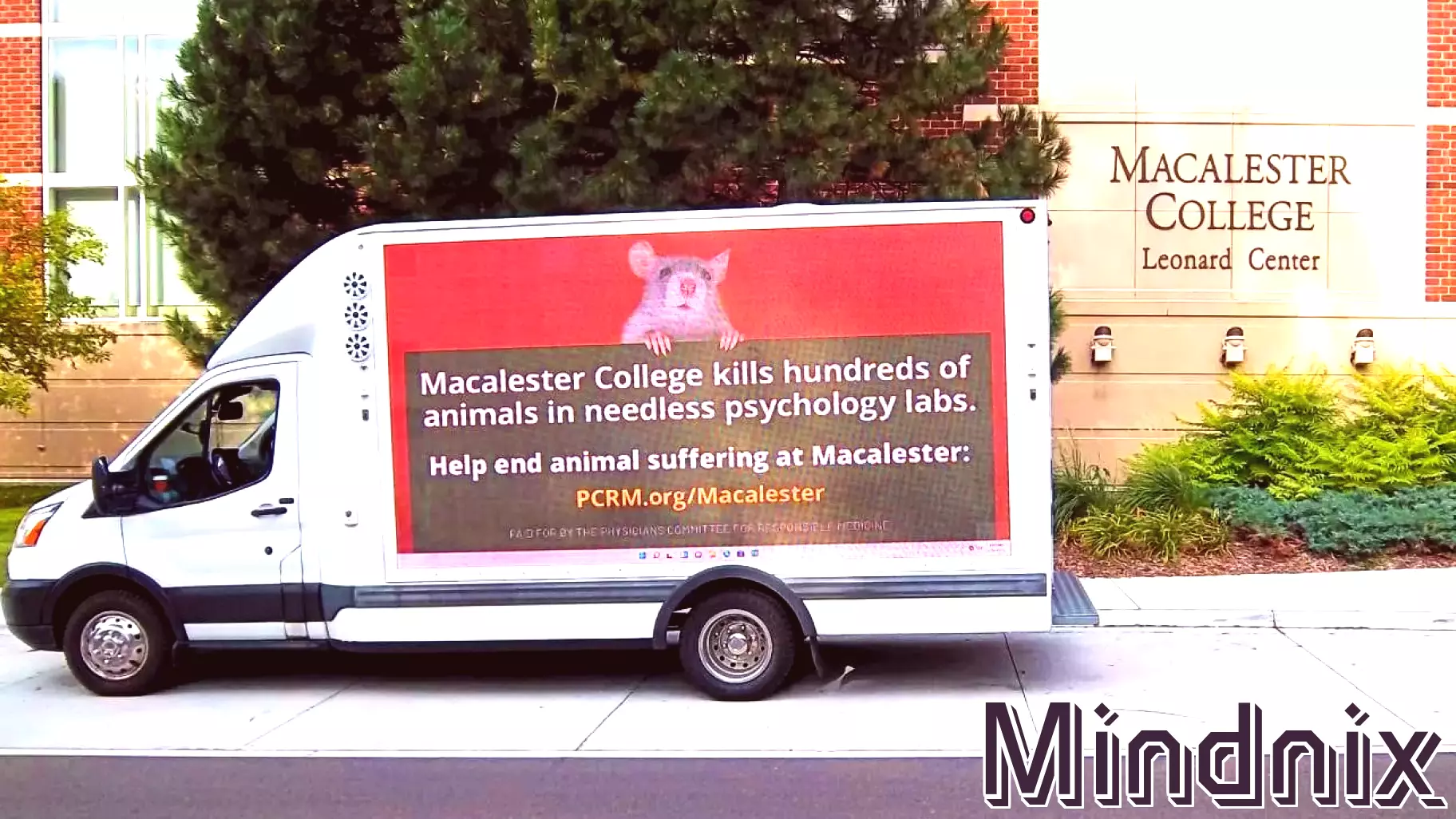
ST. PAUL, Minn. — Former animal laboratory workers from Macalester College have united with notable alumni and over 130 mental health professionals and animal welfare advocates to voice serious concerns regarding student welfare. They are urging college President Suzanne Rivera, PhD, and other institutional leaders to take immediate action to safeguard students from potential psychological distress linked to their involvement in potentially harmful animal experiments conducted in psychology courses.
The coalition highlights the ethical implications of these experiments and the coercive environment they believe students may face. They argue that the pressure to participate in such activities can lead to significant mental health challenges, raising alarms about the broader impacts on the student body.
As the debate intensifies, these advocates are calling for a reevaluation of the college's practices regarding animal experimentation, emphasizing the need for a more humane approach that prioritizes student well-being and ethical standards in education.
MORE NEWS

July 17, 2026 - 20:55
When AI Companions Fill the Void: A Psychological Trade-OffAI companions are becoming more common, promising to ease loneliness and provide a listening ear. But a new psychological framework suggests these digital friends do more than just pass the...

July 17, 2026 - 12:53
July Dating: Does the Calendar Change the Game?Just believing something to be true may be enough when it comes to dating in July. The idea that summer romance is fundamentally different from other seasons has taken hold in popular culture, but...

July 16, 2026 - 20:56
Murals Matter More Than We Might ThinkA growing body of research suggests that murals do far more than brighten brick facades. According to urban sociologists and community planners, large-scale public paintings can fundamentally shift...

July 16, 2026 - 07:43
Psychology says adults who like to sleep with a teddy aren't emotionally immature: What this comfort habitMany adults still sleep with a stuffed animal, and psychology suggests this habit is far more common than people think. Rather than a sign of emotional immaturity, holding onto a teddy bear or...