DMT's Latest Surge Revives Ancient Questions About Consciousness
July 20, 2026 - 04:57
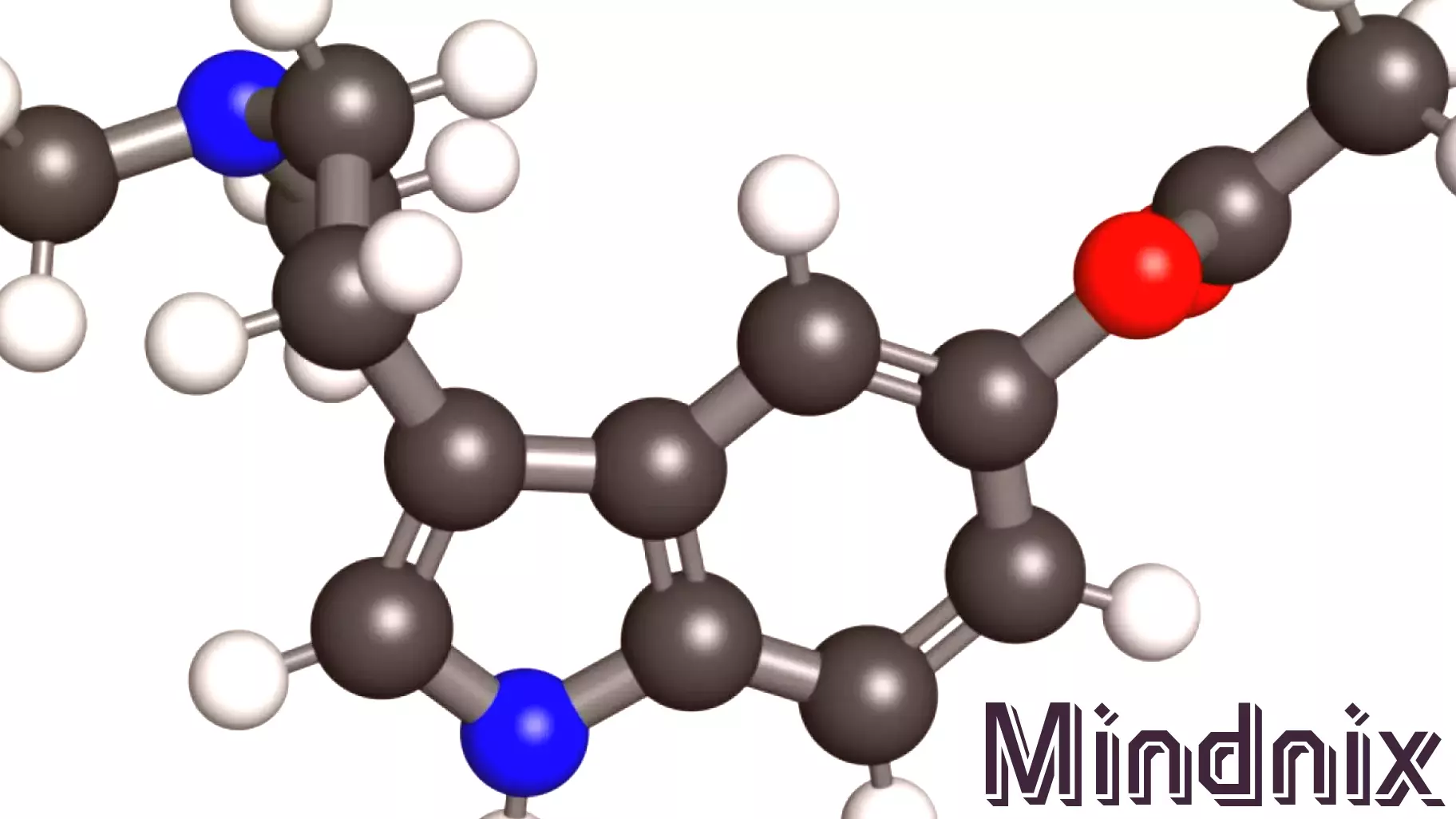
Dimethyltryptamine, better known as DMT, is enjoying a fresh wave of media attention and public curiosity. The powerful psychedelic compound, found naturally in many plants and animals, has moved from the fringes of counterculture into mainstream conversation. But this renewed interest is not just about recreational use or therapeutic potential. It is bringing back some very old philosophical debates about the nature of reality and human consciousness.
Researchers and users alike describe DMT experiences as profoundly different from other psychedelics. People often report encountering autonomous entities, traveling through geometric landscapes, and feeling as though they have entered a completely separate dimension. These reports raise a question that has haunted philosophers for centuries: are these experiences hallucinations produced by a brain under chemical stress, or could they represent contact with something real and external?
The debate is not new. Similar questions were asked about LSD in the 1960s and about mescaline before that. But DMT's intensity and the consistency of certain reports across different cultures and individuals give the question fresh urgency. Some neuroscientists argue that the brain's default mode network is simply disrupted, causing normally hidden sensory data to flood conscious awareness. Others, including some respected academics, are more open to the idea that DMT might peel back a veil on a layer of reality we usually cannot perceive.
What makes the current moment different is the cultural context. Psychedelics are being destigmatized. Clinical trials for depression and PTSD are yielding promising results. This legitimacy allows more people to discuss their experiences openly without fear of judgment. But it also means the old philosophical questions are being asked in laboratories and academic journals, not just at music festivals.
The hype will likely fade as it always does. But the questions will remain. Whether DMT is a key to reality or just a very interesting lock on a door that leads nowhere, the human desire to understand consciousness is not going away.
MORE NEWS

July 19, 2026 - 00:22
You’re Not Being Lazy, You’re Being SmartThe relentless push to `never give up` has become a modern mantra, drilled into us by motivational speakers, career coaches, and social media influencers. We are taught that every obstacle is a...

July 17, 2026 - 20:55
When AI Companions Fill the Void: A Psychological Trade-OffAI companions are becoming more common, promising to ease loneliness and provide a listening ear. But a new psychological framework suggests these digital friends do more than just pass the...

July 17, 2026 - 12:53
July Dating: Does the Calendar Change the Game?Just believing something to be true may be enough when it comes to dating in July. The idea that summer romance is fundamentally different from other seasons has taken hold in popular culture, but...
July 16, 2026 - 20:56
Murals Matter More Than We Might ThinkA growing body of research suggests that murals do far more than brighten brick facades. According to urban sociologists and community planners, large-scale public paintings can fundamentally shift...