He Erased Memory in Mice. Then Thought About Erasing His Own: Sunk in Grief, This Neuroscientist Discovered the Power of Memory in Himself
November 12, 2025 - 04:01
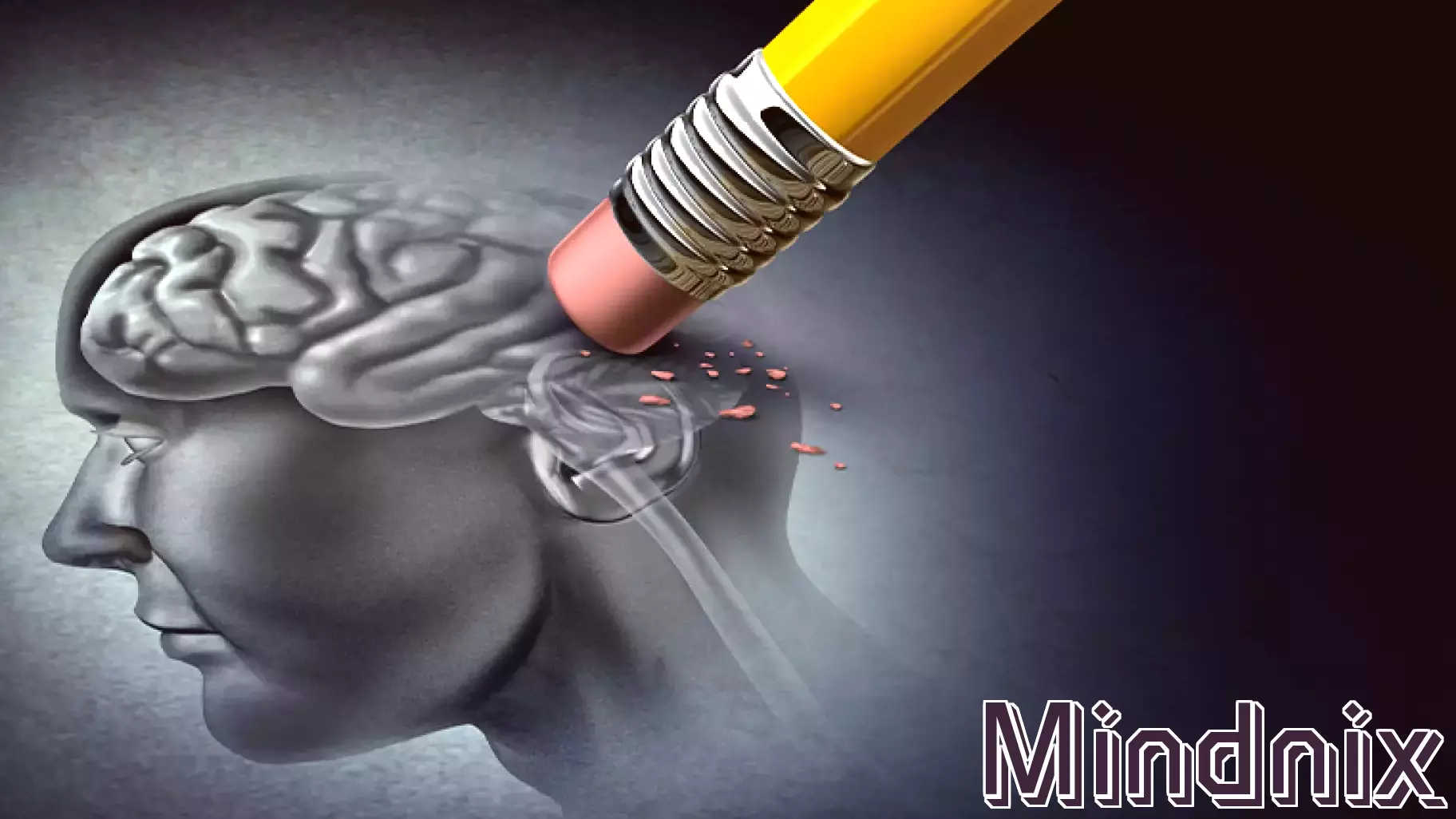
In a poignant exploration of memory and loss, a neuroscientist who successfully erased memories in mice found himself grappling with the depths of his own grief. The groundbreaking research aimed to understand the mechanisms of memory formation and retrieval, but it also led to profound personal reflections.
After losing a loved one, the scientist contemplated the possibility of erasing painful memories from his own life. This internal conflict highlighted the dual nature of memory: while it can hold the weight of sorrow, it also preserves the joy of cherished moments. Through this journey, he realized that memories, even the painful ones, shape our identities and inform our experiences.
This revelation sparked a deeper inquiry into the ethical implications of memory manipulation. As he navigated the complexities of his emotions, the neuroscientist emerged with a renewed appreciation for the intricate tapestry of memories that define human existence. His story serves as a reminder of the resilience of the human spirit in the face of loss.
MORE NEWS

July 9, 2026 - 21:45
The Weight of Addiction RecoveryFor women navigating addiction recovery, the scale can be just as daunting as the bottle or the pill. A growing body of clinical research is highlighting a complex and often overlooked relationship...

July 9, 2026 - 09:01
Frontiers | The epistemology of death: psychological autopsy, artificial intelligence, and forensic decision-making in equivocal deathsTraditional autopsies are designed to answer one main question: what was the biological cause of death? But in cases where the circumstances are unclear, known as equivocal deaths, that single...

July 8, 2026 - 22:47
Why Listening to the Same Song on Repeat Is a Sign of Emotional Regulation, Not StucknessPlaying the same song over and over is often seen as a sign that someone is dwelling on the past, but psychology suggests repeated listening serves a different purpose for many people. Familiar...

July 8, 2026 - 07:05
Psychology explains why people seek closure after breakups and why moving on often feels so difficultWhen a relationship ends, the brain enters a state of discomfort that goes beyond simple sadness. Psychology suggests this pain stems from the mind`s deep dislike for uncertainty and unresolved...