"Labyrinth": A Dreamlike Warning Rooted in Psychology and Imagination
May 9, 2026 - 02:09
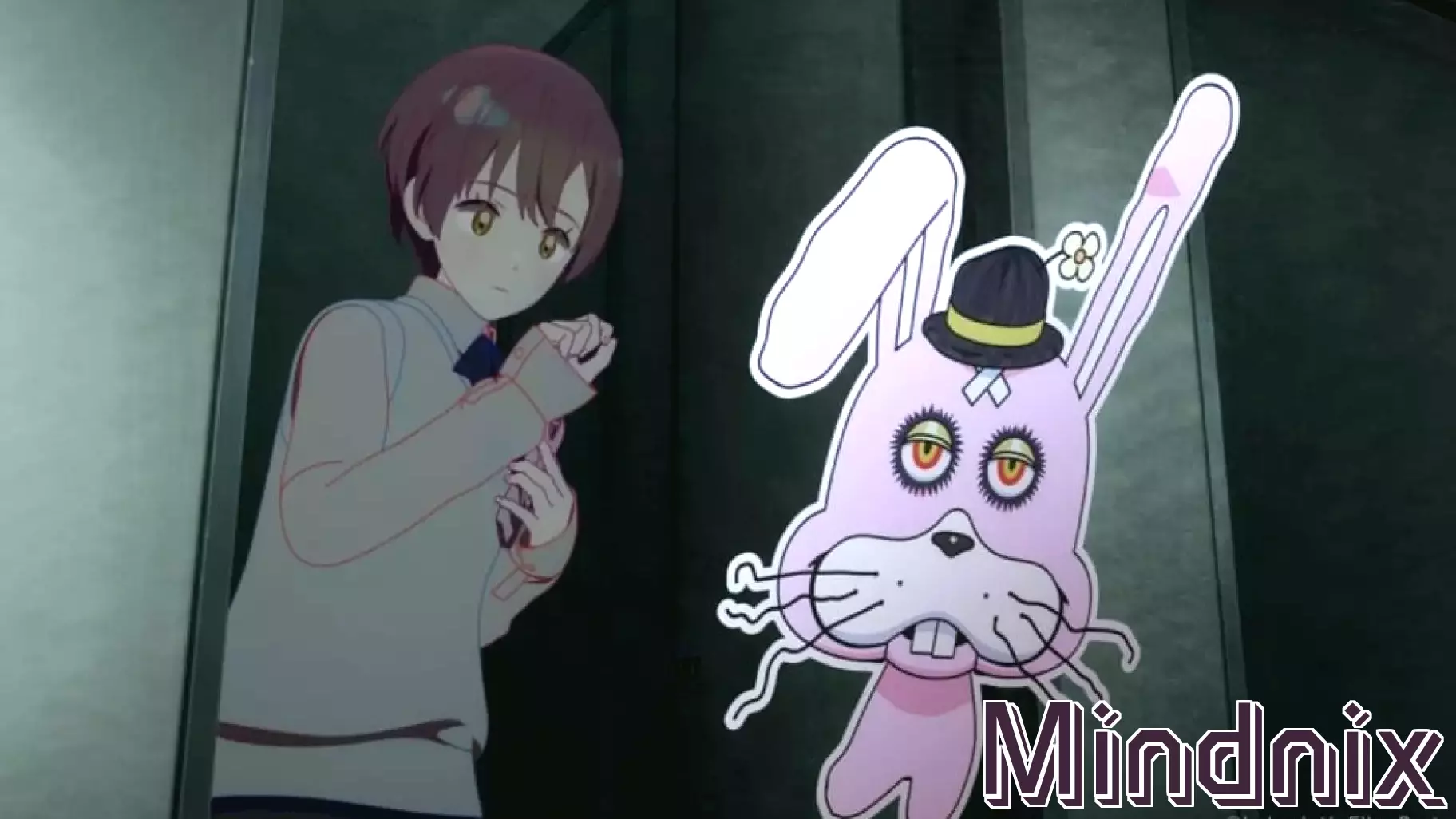
For decades, anime artist, writer, and director Shoji Kawamori has worked in the surreal and symbolic. The worlds he helped bring to life, from Mamoru Oshii's "Ghost in the Shell" to Shin'ichiro Watanabe's "Cowboy Bebop," often blur the line between dream and reality. But his latest project, "Labyrinth," stands apart as something more personal and more unsettling.
Kawamori describes the film as a cautionary tale built from the raw material of human psychology. He drew inspiration from his own dreams, childhood memories, and the psychological theories that have long fascinated him. The result is a story that does not simply entertain but warns. It warns about the dangers of losing oneself in fantasy, about the seductive pull of escapism when the real world becomes too painful to face.
The narrative follows a young woman who enters a shifting, impossible maze that mirrors her own subconscious. Each corridor and dead end represents a repressed fear or a buried desire. Kawamori says he wanted to explore how the mind builds its own prisons, often without us realizing it. The labyrinth is not a place of monsters and traps in the traditional sense. The real threat is the self, fragmented and lost.
Kawamori also notes that the film is deeply influenced by the work of Carl Jung, particularly the concepts of the shadow self and the collective unconscious. He wanted to create a visual language that felt both ancient and futuristic, where symbols from mythology mix with modern anxieties. The animation itself shifts between lush, detailed landscapes and stark, minimalist spaces, reflecting the instability of the protagonist's mental state.
In the end, "Labyrinth" is not just a story about finding a way out. It is about the courage to face what is inside. Kawamori hopes audiences will recognize parts of themselves in the maze and think twice before building walls they cannot tear down.
MORE NEWS
August 6, 2026 - 19:58
Educational psychologists warn of growing pressure on children's servicesEducational psychologists are raising concerns that growing backlogs in Education, Health and Care Needs Assessments, or EHCNAs, are forcing them to abandon early intervention work. The mounting...

August 6, 2026 - 00:27
Worried about interrupting someone’s scrolling? Here’s what experts thinkIt happens dozens of times a day. You need to ask a quick question, but the other person is buried in their phone, thumb gliding through a feed. You hesitate. Is it rude to break their focus? Or is...

August 4, 2026 - 20:02
How Emotionally Intelligent People Manage Their EmotionsLetting emotions spiral out of control is uncomfortable and a fast track to damaging your closest relationships. We have all had moments where frustration or anxiety took the wheel, and the...

August 4, 2026 - 01:01
The Ketamine ParadoxKetamine has become one of the most talked-about treatments in psychiatry, and for good reason. When given under medical supervision, it can lift severe depression and quiet suicidal thoughts...