Listening to Teens Can Save Lives
May 5, 2026 - 08:51
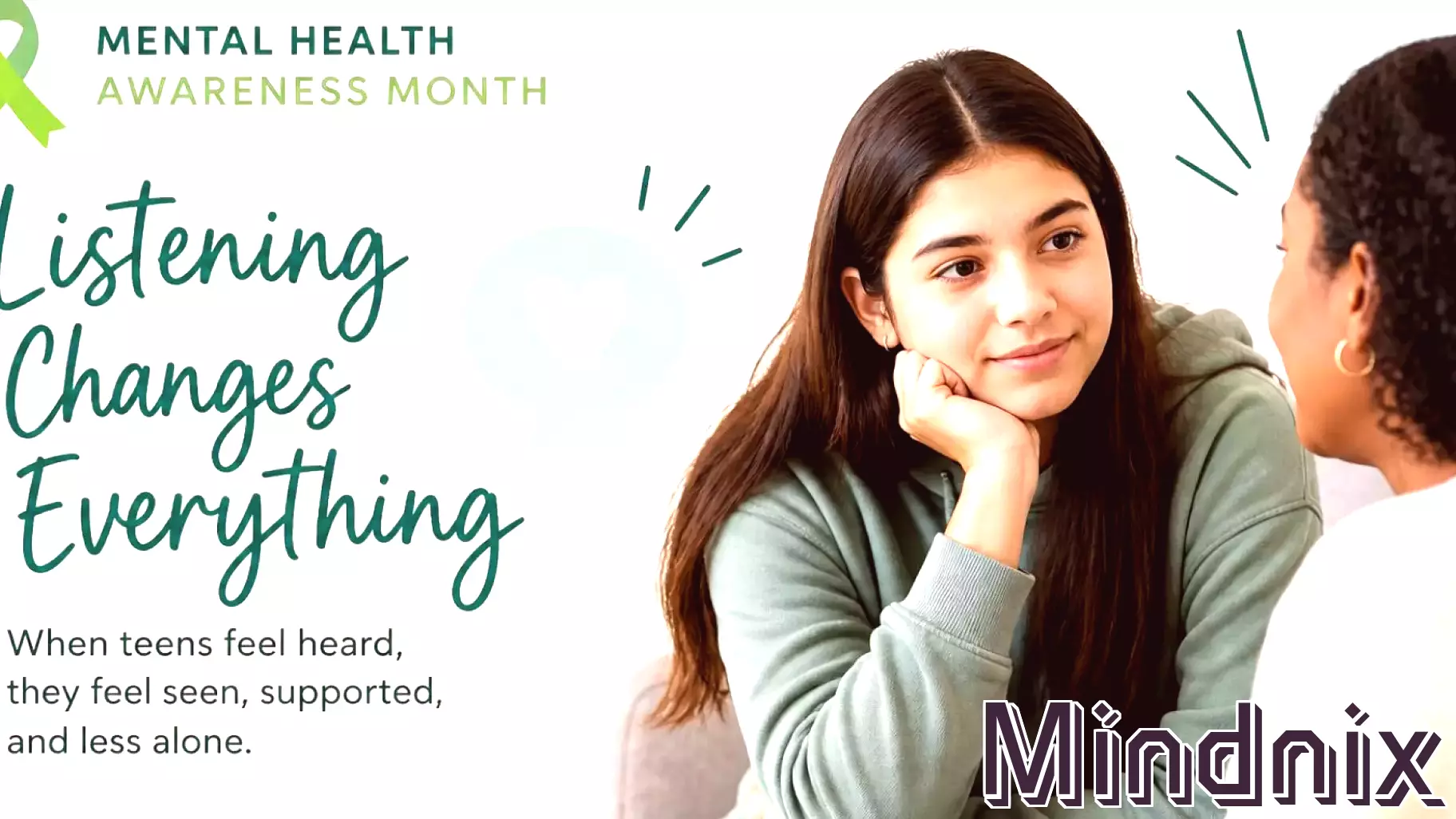
A growing body of data confirms that one of the most powerful tools for protecting youth mental health is simple, consistent, and non-judgmental listening. While social media, academic pressure, and family dynamics all play a role in the current adolescent mental health crisis, research now points to the direct impact of supportive adults who take the time to truly hear what teenagers are saying.
Studies show that when a teen feels heard by a parent, teacher, coach, or other caring adult, their risk of suicidal ideation drops significantly. The act of listening does not require solving problems or offering advice. It requires presence and patience. Teens who report having at least one trusted adult they can talk to are far less likely to engage in self-harm or consider suicide.
The data also highlights a troubling gap. Many teens say they do not feel listened to at home or at school. They describe adults who interrupt, dismiss their feelings, or immediately jump to punishment or lectures. This silence can be deadly. When a young person feels invisible, they are more likely to isolate and spiral into depression.
Experts recommend that adults practice active listening. This means putting down phones, making eye contact, and allowing the teen to speak without interruption. It also means validating their emotions, even if the adult does not agree with the reasoning behind them. A simple phrase like "I hear you" or "That sounds really hard" can open a door that saves a life.
The message is clear. Technology and policy are important, but the human connection remains the most effective safety net. Listening is not passive. It is an active intervention that can change the trajectory of a young person's life.
MORE NEWS

August 4, 2026 - 01:01
The Ketamine ParadoxKetamine has become one of the most talked-about treatments in psychiatry, and for good reason. When given under medical supervision, it can lift severe depression and quiet suicidal thoughts...
August 3, 2026 - 06:18
Psychology says photographing the parking level sign isn't organization — it's outsourcing a worry so the evening can beginMost people have done it at least once. You park in a crowded garage, glance at the letter and number on the concrete wall, and then pull out your phone to take a picture of the sign. It feels a...

August 2, 2026 - 19:29
Partner Violence Is Less Recognized in LGBTQ RelationshipsThe greatest barriers LGBTQ survivors face often are not just abusive partners, but the systems that fail to recognize and support them. While domestic violence is widely discussed in heterosexual...

July 31, 2026 - 13:53
America on a GLP-1: A Field Guide to 2030By 2030, the country will look different in ways that have nothing to do with skylines. The drug class that started as a diabetes treatment and became a weight-loss phenomenon will have reshaped...