Supporting First-Generation International College Students
May 3, 2026 - 20:38
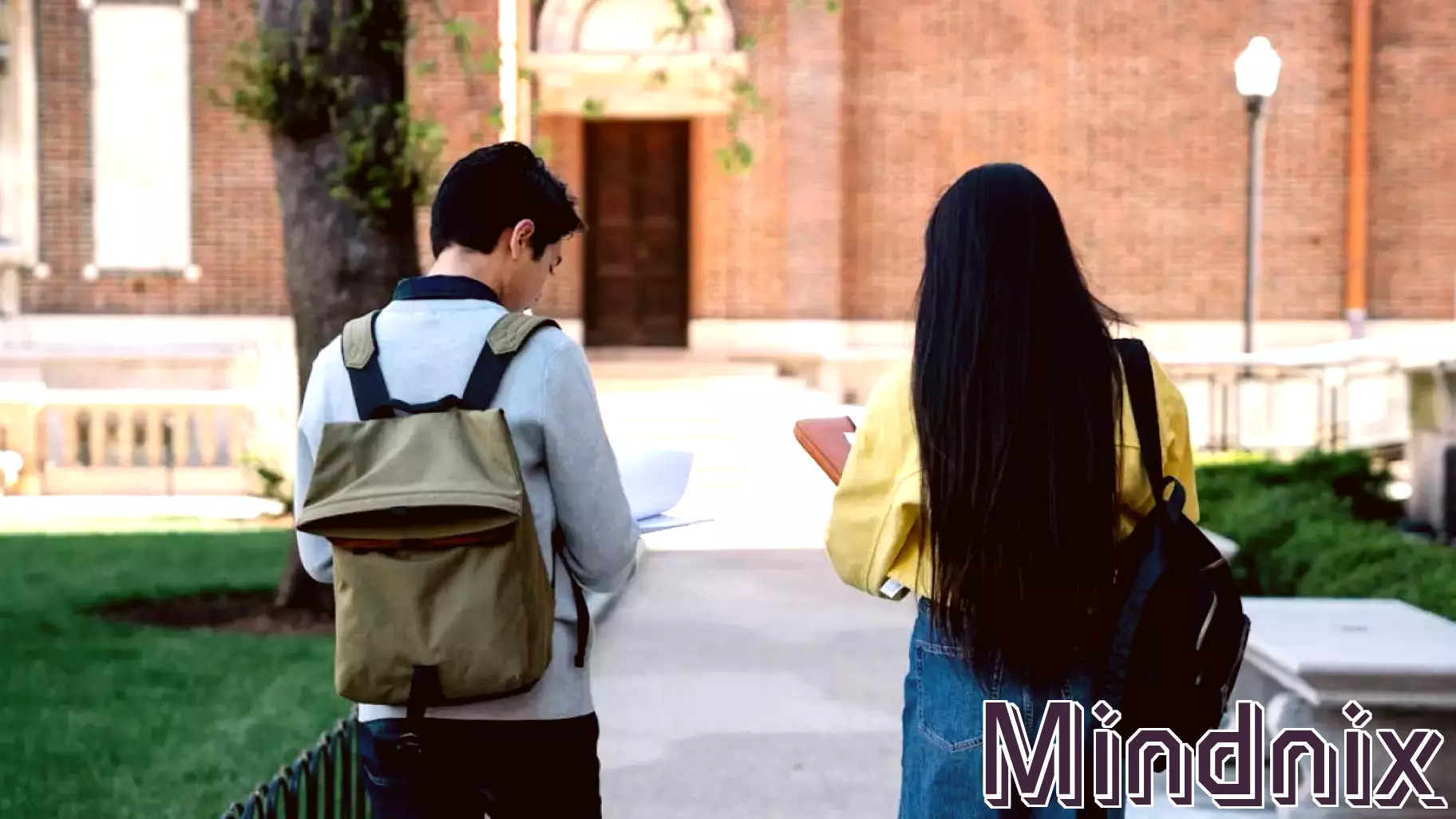
First-generation college students and international students each face their own unique set of pressures and unwritten rules on campus. But for students who belong to both groups at the same time, the struggle is compounded. These individuals are navigating not only the academic demands of higher education but also the hidden curriculum that their peers from college-educated families or domestic backgrounds may take for granted.
The hidden curriculum includes things like understanding how office hours work, knowing how to network with professors, or grasping the unspoken etiquette of group projects. For a first-generation international student, these norms are often foreign on two levels. They may lack family guidance on how U.S. higher education operates, while also dealing with language barriers, cultural adjustment, and the logistical stress of visa regulations.
Financial pressure is another layer. Many of these students cannot rely on family support for tuition or living expenses, and their visa status often limits their ability to work off-campus. This can lead to isolation and burnout, as they juggle jobs, coursework, and the emotional weight of representing their families' hopes.
Colleges are beginning to recognize this overlap. Some have started creating targeted mentorship programs and workshops that address both cultural acclimation and academic navigation. But the need remains significant. Supporting these students requires more than a single office or a checklist. It demands an institutional commitment to understanding the full scope of their experience.
MORE NEWS

August 4, 2026 - 01:01
The Ketamine ParadoxKetamine has become one of the most talked-about treatments in psychiatry, and for good reason. When given under medical supervision, it can lift severe depression and quiet suicidal thoughts...

August 3, 2026 - 06:18
Psychology says photographing the parking level sign isn't organization — it's outsourcing a worry so the evening can beginMost people have done it at least once. You park in a crowded garage, glance at the letter and number on the concrete wall, and then pull out your phone to take a picture of the sign. It feels a...

August 2, 2026 - 19:29
Partner Violence Is Less Recognized in LGBTQ RelationshipsThe greatest barriers LGBTQ survivors face often are not just abusive partners, but the systems that fail to recognize and support them. While domestic violence is widely discussed in heterosexual...

July 31, 2026 - 13:53
America on a GLP-1: A Field Guide to 2030By 2030, the country will look different in ways that have nothing to do with skylines. The drug class that started as a diabetes treatment and became a weight-loss phenomenon will have reshaped...