Local Psychologist Launches Child Psychology Center in Ephraim
July 18, 2025 - 07:29
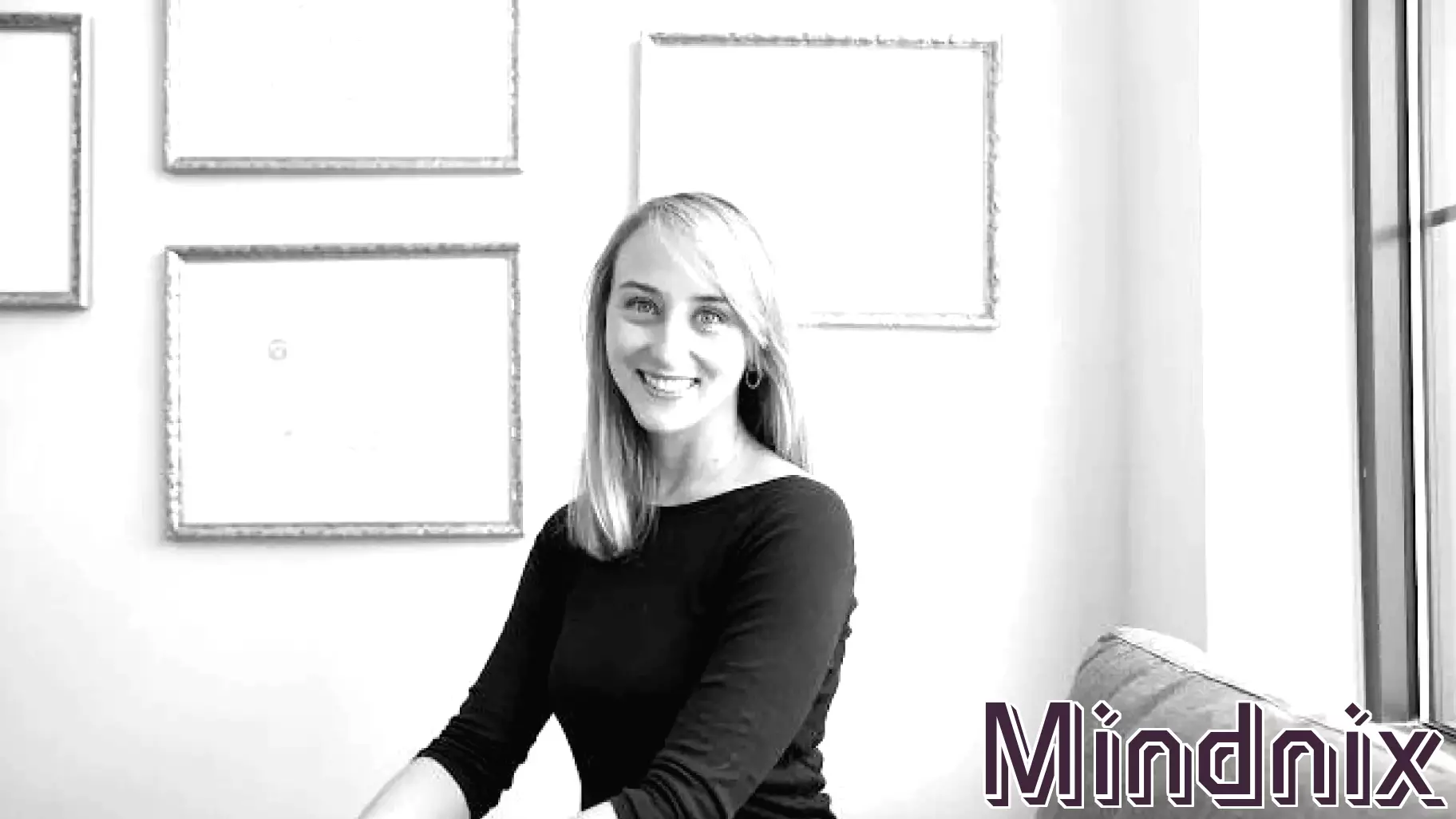
When Ephraim resident and clinical psychologist Dr. Alexandra Pillat was diagnosed with dyslexia and attention-deficit/hyperactivity disorder (ADHD) as a child, she assumed it meant she was “stupid.” That early misconception shaped her journey into the field of psychology, where she now aims to change the narrative for children facing similar challenges.
Dr. Pillat has opened a new child psychology center in Ephraim, dedicated to supporting children and their families as they navigate the complexities of mental health. The center offers a range of services, including assessments, therapy, and educational workshops designed to empower both children and parents.
With a focus on creating a nurturing environment, Dr. Pillat emphasizes the importance of understanding and addressing the unique needs of each child. Her mission is to foster resilience and self-esteem, helping children realize their potential beyond their diagnoses. The center aims to be a beacon of hope and support for families in the community.
MORE NEWS

July 17, 2026 - 20:55
When AI Companions Fill the Void: A Psychological Trade-OffAI companions are becoming more common, promising to ease loneliness and provide a listening ear. But a new psychological framework suggests these digital friends do more than just pass the...

July 17, 2026 - 12:53
July Dating: Does the Calendar Change the Game?Just believing something to be true may be enough when it comes to dating in July. The idea that summer romance is fundamentally different from other seasons has taken hold in popular culture, but...

July 16, 2026 - 20:56
Murals Matter More Than We Might ThinkA growing body of research suggests that murals do far more than brighten brick facades. According to urban sociologists and community planners, large-scale public paintings can fundamentally shift...

July 16, 2026 - 07:43
Psychology says adults who like to sleep with a teddy aren't emotionally immature: What this comfort habitMany adults still sleep with a stuffed animal, and psychology suggests this habit is far more common than people think. Rather than a sign of emotional immaturity, holding onto a teddy bear or...