Psychology says people who have no close friends after 55 aren't antisocial — they usually experienced one of these 7 invisible turning points that quietly rewired how they connect
March 6, 2026 - 09:45
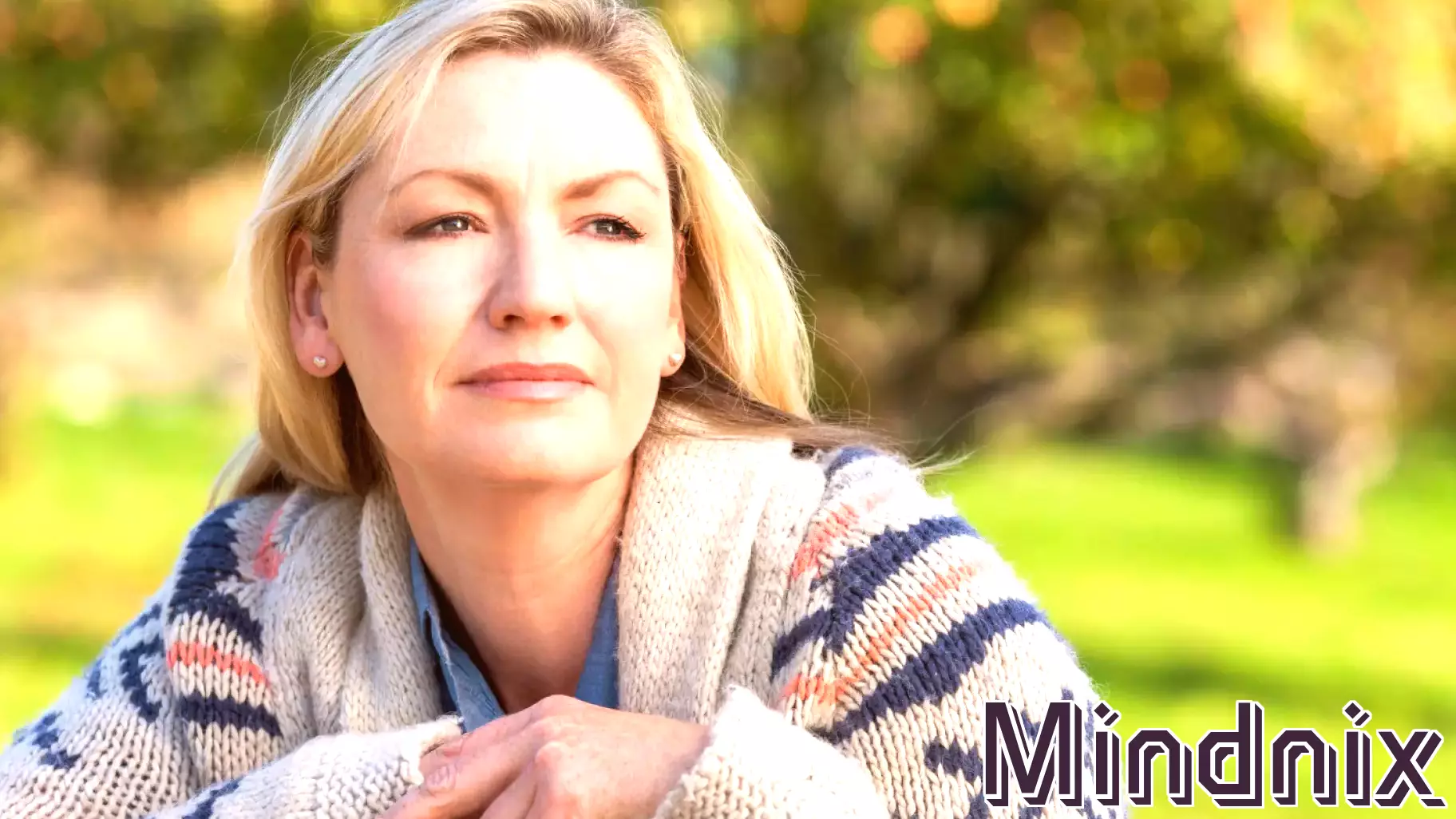
The image of an older adult without a close inner circle often carries an unfair stigma of being difficult or withdrawn. However, psychological insights reveal a far more nuanced reality. For many, this life stage reflects a series of profound, often invisible, turning points that have quietly reshaped their approach to relationships, frequently signaling personal evolution rather than retreat.
These individuals are not necessarily antisocial; many are deeply warm and self-aware. Their social landscape has often been transformed by one of several subtle psychological shifts. A common turning point is a fundamental reprioritization of time and energy, leading to a conscious move away from draining, superficial obligations toward a craving for genuine, meaningful interaction, even if it is rarer.
Other experiences include a series of past betrayals or chronic unreliability in friendships that fostered a heightened discernment, making them slow to trust but deeply loyal when they do. Some have undergone a significant spiritual or philosophical awakening that altered their core values, making previous connections feel misaligned. For others, becoming a primary caregiver or navigating a major health challenge re-centered their world, consuming emotional resources and creating an experiential gap with peers.
Ultimately, this path often leads to a powerful comfort with solitude, where one's own company is not a last resort but a chosen, rich space for reflection. The friendship model itself may evolve from a need for constant companionship to a preference for profound, situational connections based on shared purpose or deep mutual understanding. In many cases, it represents not a loss of the capacity to connect, but its refinement.
MORE NEWS
July 20, 2026 - 04:57
DMT's Latest Surge Revives Ancient Questions About ConsciousnessDimethyltryptamine, better known as DMT, is enjoying a fresh wave of media attention and public curiosity. The powerful psychedelic compound, found naturally in many plants and animals, has moved...

July 19, 2026 - 00:22
You’re Not Being Lazy, You’re Being SmartThe relentless push to `never give up` has become a modern mantra, drilled into us by motivational speakers, career coaches, and social media influencers. We are taught that every obstacle is a...

July 17, 2026 - 20:55
When AI Companions Fill the Void: A Psychological Trade-OffAI companions are becoming more common, promising to ease loneliness and provide a listening ear. But a new psychological framework suggests these digital friends do more than just pass the...

July 17, 2026 - 12:53
July Dating: Does the Calendar Change the Game?Just believing something to be true may be enough when it comes to dating in July. The idea that summer romance is fundamentally different from other seasons has taken hold in popular culture, but...