The Importance of Embracing Our Right to Read
July 15, 2025 - 19:00

Author Roseanna White offers a compelling perspective on the vital importance of exercising our freedom to read, drawing insights from significant historical events. Throughout history, the act of reading has often been a powerful tool for empowerment and change. White emphasizes that access to literature and diverse viewpoints is crucial for fostering critical thinking and encouraging informed discussions.
In times of oppression, the written word has served as a beacon of hope and resistance. From banned books to censorship, the struggle for the freedom to read has shaped societies and inspired movements. White argues that when individuals engage with a variety of texts, they not only broaden their horizons but also cultivate empathy and understanding across different cultures and experiences.
By actively choosing to read widely, we honor the sacrifices made by those who fought for this fundamental right. In a world where information is abundant yet often polarized, embracing our freedom to read is more important than ever. It empowers us to challenge ideas, question norms, and ultimately, contribute to a more informed and compassionate society.
MORE NEWS

July 19, 2026 - 00:22
You’re Not Being Lazy, You’re Being SmartThe relentless push to `never give up` has become a modern mantra, drilled into us by motivational speakers, career coaches, and social media influencers. We are taught that every obstacle is a...

July 17, 2026 - 20:55
When AI Companions Fill the Void: A Psychological Trade-OffAI companions are becoming more common, promising to ease loneliness and provide a listening ear. But a new psychological framework suggests these digital friends do more than just pass the...

July 17, 2026 - 12:53
July Dating: Does the Calendar Change the Game?Just believing something to be true may be enough when it comes to dating in July. The idea that summer romance is fundamentally different from other seasons has taken hold in popular culture, but...
July 16, 2026 - 20:56
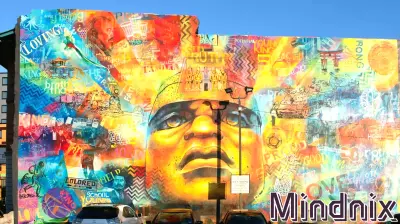
Murals Matter More Than We Might ThinkA growing body of research suggests that murals do far more than brighten brick facades. According to urban sociologists and community planners, large-scale public paintings can fundamentally shift...