The Question of Maternal Instincts in AI: A Challenging Concept
August 30, 2025 - 03:52
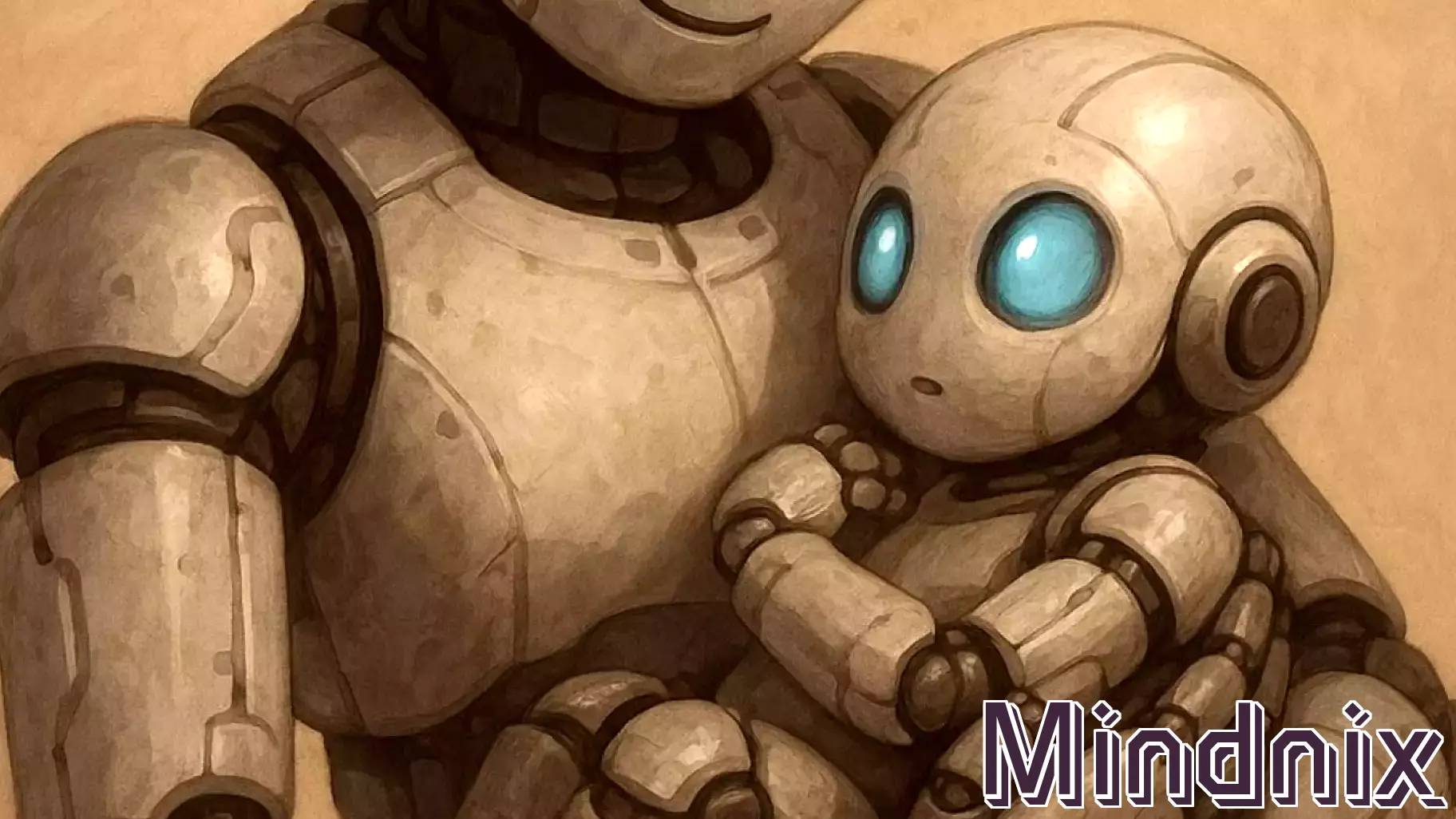
The idea of instilling maternal instincts in artificial intelligence has sparked considerable debate among experts. While the concept may seem appealing, the reality is that AI systems fundamentally lack the biological components necessary for such instincts. Unlike living organisms, which are driven by complex chemical, physiological, and neural processes, AI operates purely on algorithms and data inputs.
Geoffrey Hinton, a prominent figure in the field of AI, has proposed that incorporating maternal instincts could be a way to ensure that AI behaves in a more nurturing or protective manner. However, critics argue that this notion is unrealistic. Without the emotional and instinctual frameworks that characterize human and animal behavior, AI cannot replicate the nuances of maternal instincts.
As AI continues to evolve, discussions around its ethical implications and potential for human-like traits remain crucial. It is essential to recognize the limitations of technology and approach the integration of human-like qualities with caution and critical thought.
MORE NEWS

July 17, 2026 - 20:55
When AI Companions Fill the Void: A Psychological Trade-OffAI companions are becoming more common, promising to ease loneliness and provide a listening ear. But a new psychological framework suggests these digital friends do more than just pass the...

July 17, 2026 - 12:53
July Dating: Does the Calendar Change the Game?Just believing something to be true may be enough when it comes to dating in July. The idea that summer romance is fundamentally different from other seasons has taken hold in popular culture, but...

July 16, 2026 - 20:56
Murals Matter More Than We Might ThinkA growing body of research suggests that murals do far more than brighten brick facades. According to urban sociologists and community planners, large-scale public paintings can fundamentally shift...

July 16, 2026 - 07:43
Psychology says adults who like to sleep with a teddy aren't emotionally immature: What this comfort habitMany adults still sleep with a stuffed animal, and psychology suggests this habit is far more common than people think. Rather than a sign of emotional immaturity, holding onto a teddy bear or...