The Surprising Reality of Brain Functionality
September 14, 2025 - 03:24
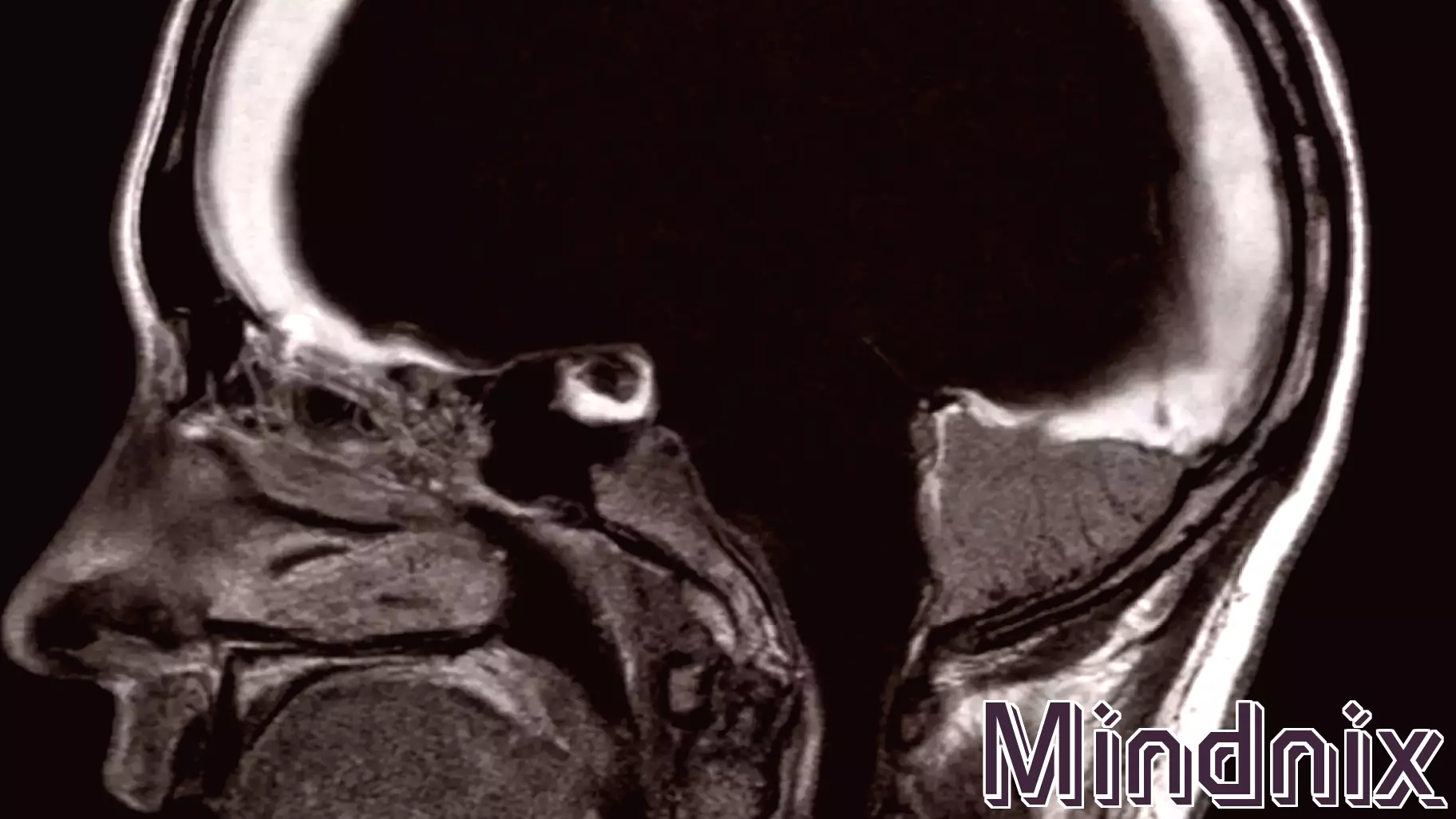
In a remarkable case, a French civil servant demonstrated normal cognitive functioning despite having 90 percent of his brain missing. This astonishing phenomenon raises intriguing questions about the nature of intelligence and the brain's role in our overall cognitive abilities.
Recent research suggests that intelligence may not be confined solely to the brain; rather, it could be distributed throughout the entire body. This challenges long-held beliefs about the brain as the singular control center for our thoughts, emotions, and actions.
Neuroscientists are now exploring the idea that other systems within the body, including the nervous system and even the gut, may play significant roles in our cognitive processes. The findings could lead to a paradigm shift in understanding how we define intelligence and how we approach neurological health.
As we delve deeper into the complexities of human cognition, this case serves as a powerful reminder of the brain's incredible adaptability and the potential for intelligence to manifest in unexpected ways.
MORE NEWS

July 10, 2026 - 14:10
What Makes Couples Happy, According to ScienceA simple question might hold the key to a stronger relationship: `What can I do to help you feel closer to me?` According to recent studies in relationship science, this direct approach often works...

July 9, 2026 - 21:45
The Weight of Addiction RecoveryFor women navigating addiction recovery, the scale can be just as daunting as the bottle or the pill. A growing body of clinical research is highlighting a complex and often overlooked relationship...

July 9, 2026 - 09:01
Frontiers | The epistemology of death: psychological autopsy, artificial intelligence, and forensic decision-making in equivocal deathsTraditional autopsies are designed to answer one main question: what was the biological cause of death? But in cases where the circumstances are unclear, known as equivocal deaths, that single...

July 8, 2026 - 22:47
Why Listening to the Same Song on Repeat Is a Sign of Emotional Regulation, Not StucknessPlaying the same song over and over is often seen as a sign that someone is dwelling on the past, but psychology suggests repeated listening serves a different purpose for many people. Familiar...