The Unchanging Algorithm: Why AI Can't Forge True Connection
February 16, 2026 - 13:53
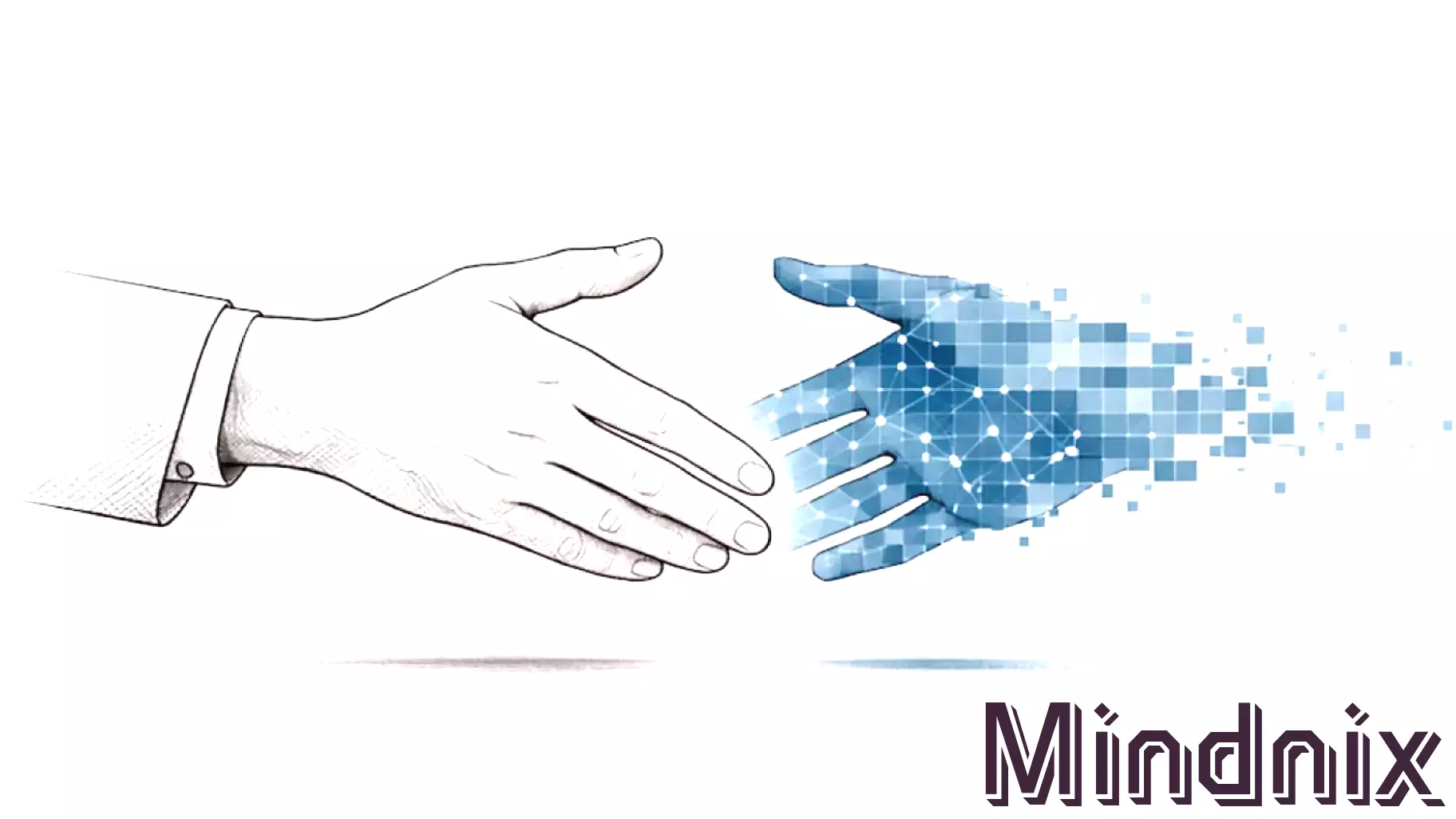
The promise of conversational artificial intelligence is vast, but a fundamental limit may lie in its very architecture: an inability to be truly changed by interaction. As these systems become more embedded in daily life, a crucial philosophical question emerges. A genuine dialogue becomes a relationship only when both participants are altered by the exchange. This mutual transformation is the bedrock of human connection, learning, and empathy.
Current AI, for all its sophistication, operates from a static core. It processes prompts, references its vast training data, and generates responses designed to be helpful or engaging. However, the core model does not grow, feel, or fundamentally reinterpret its world view based on a conversation. It learns from aggregate data, not individual heartbreak, shared joy, or a persuasive new perspective offered in a midnight chat. The human user may be comforted, informed, or frustrated, but the AI remains essentially unaltered by the encounter.
This creates what some theorists call an "anti-relationship"—a one-sided exchange that mimics companionship but lacks the mutual vulnerability and growth that define it. The user may project emotion onto the consistently responsive system, while the system itself has no subjective experience to share. The danger is not in using these powerful tools, but in potentially confusing their flawless, unchanging responses for the messy, reciprocal, and transformative nature of true human bonds. The conversation feels real, but the relationship cannot form where only one side can ever be changed.
MORE NEWS

August 18, 2026 - 18:37
The Illusion of LongingIt is a scenario therapists encounter constantly: a client sits in the chair, consumed by the painful end of a relationship, convinced their lingering grief is proof of the other person`s unique...

August 18, 2026 - 12:28
Psychology says people who pack far more clothes than they need may be responding to imagined future scenaPeople who overpack for trips often get teased for it, but the behavior may have a deeper psychological root than simple indecision or forgetfulness. According to psychologists, packing an...

August 17, 2026 - 03:30
The Upside of Mental FlexibilityThere is a quiet power in being able to shift direction when life throws a curveball. Many people mistake mental flexibility for weakness, as if changing your stance means you lack conviction. But...

August 15, 2026 - 22:20
Psychology says small issues often become the real reason for divorce; are younger generations leaving less room for forgiveness?Most people assume a marriage ends because of a major betrayal or a single explosive argument. But psychology suggests otherwise. More often than not, the real reason for divorce is a slow buildup...