The Science of Attraction: What Really Draws Us to Our Partners
29 April 2026
Have you ever caught yourself staring at someone a little longer than usual and wondering, “Why them?” You’re not alone. Attraction isn't just about good looks or shared interests — it's a fascinating cocktail of biology, psychology, and even a pinch of mystery.
In this deep dive, we're peeling back the layers of attraction. What really draws us to our romantic partners? Is it pheromones? Body language? Or is love just a happy accident of evolution?
Let’s unpack it all and get a better understanding of what’s going on behind those butterflies in your stomach.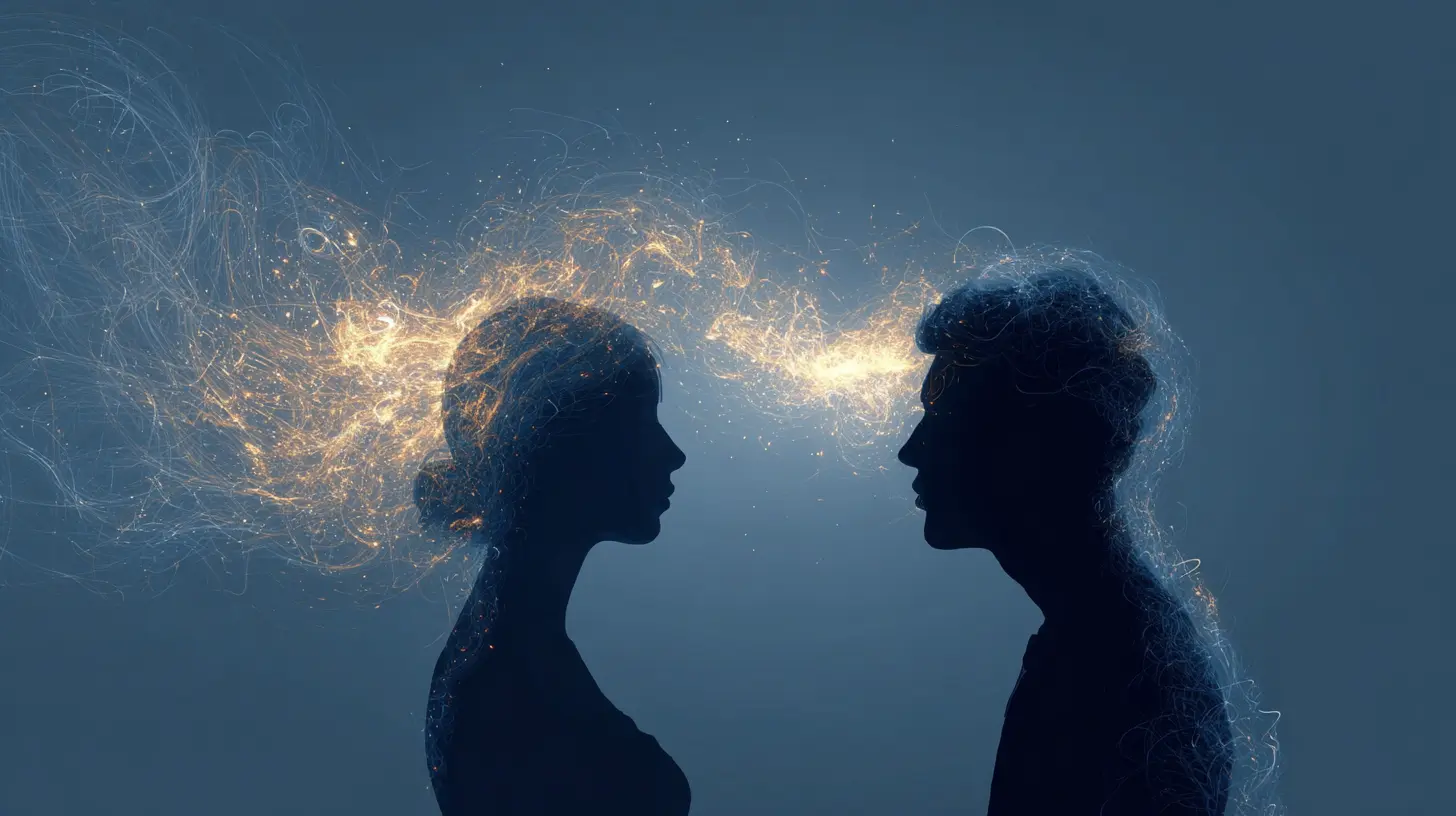
What Is Attraction, Really?
First things first — attraction is more than just finding someone cute. Sure, physical looks play a role (no surprise there), but attraction has emotional, psychological, and even social dimensions. It's that magnetic pull that makes someone look at you a little longer, laugh a little harder, or feel something they can't quite explain.Scientists categorize attraction into different types:
- Physical attraction: That "wow" moment when someone catches your eye.
- Emotional attraction: When your insides melt because someone just gets you.
- Intellectual attraction: When their thoughts spark yours in a fireworks show.
- Romantic attraction: That dreamy longing for something deeper.
- Sexual attraction: When desire takes the front seat.
Now that we get the categories, let’s break down the actual science behind what sparks the flame.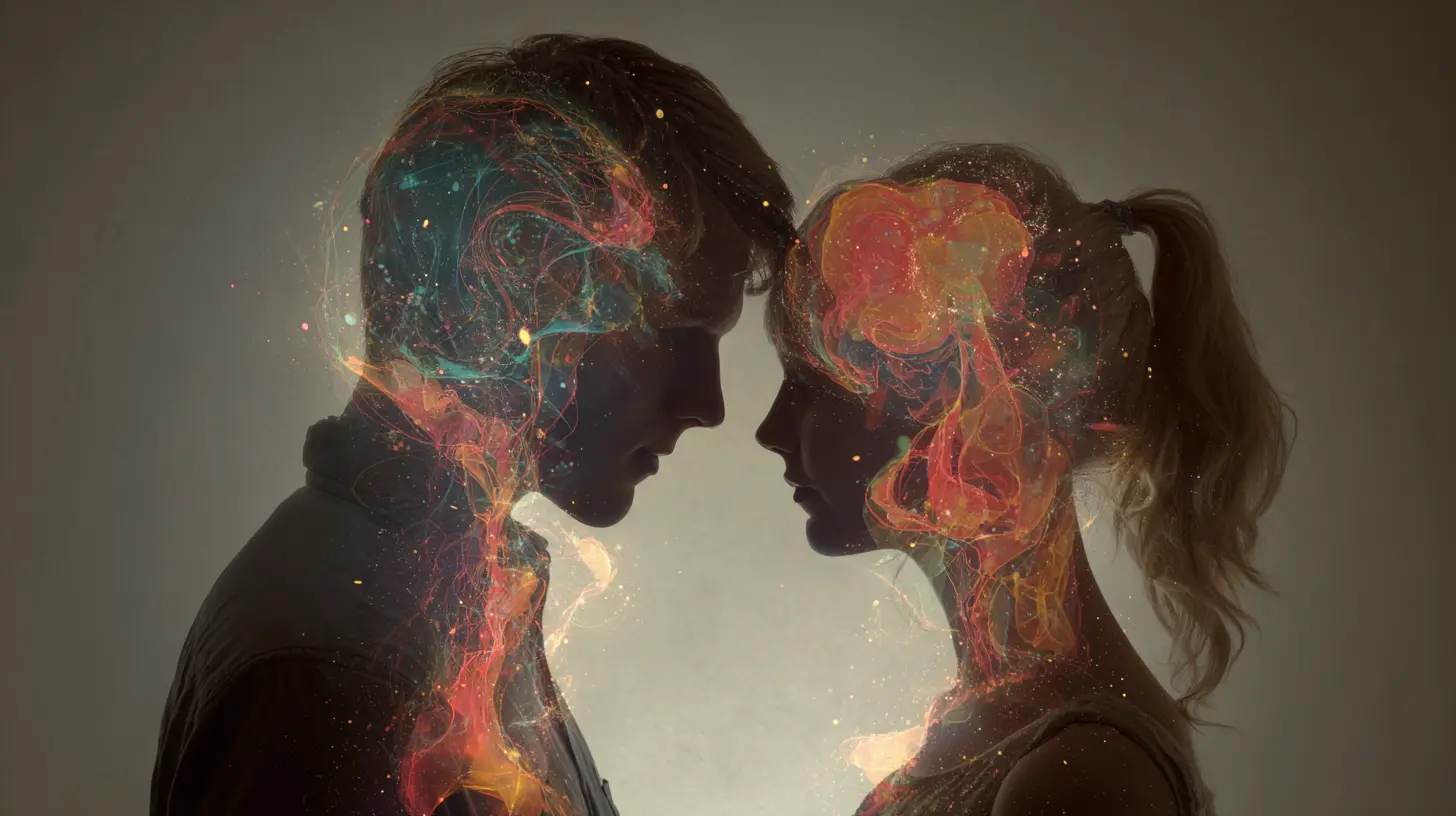
The Role of Biology: Your Body Knows Before Your Brain Does
You’d think your brain is calling all the shots when you're crushing hard, but your body’s running the show behind the scenes.1. Pheromones: The Invisible Signal
Ever been drawn to someone and you can’t explain why? Pheromones might be at play. These are chemical signals our bodies release that can influence everything from mood to sexual attraction — all without us ever noticing.Research has found that we might be subconsciously attracted to people with different immune system genes (MHC genes). Why? Because partnering with someone genetically different gives any future offspring a stronger immune system. Nature’s matchmaking, basically.
2. Hormones: The Love Cocktail
When you fall for someone, your body gets flooded with chemicals:- Dopamine: The ‘feel-good’ hormone that makes you giddy with pleasure.
- Oxytocin: Known as the ‘cuddle hormone’ — it builds trust and bonding.
- Serotonin: The mood stabilizer that makes love feel all-consuming.
- Adrenaline: That racing heart and sweaty palms? Thank adrenaline.
Together, these create that rush, that spark, that deep “this is it” sensation.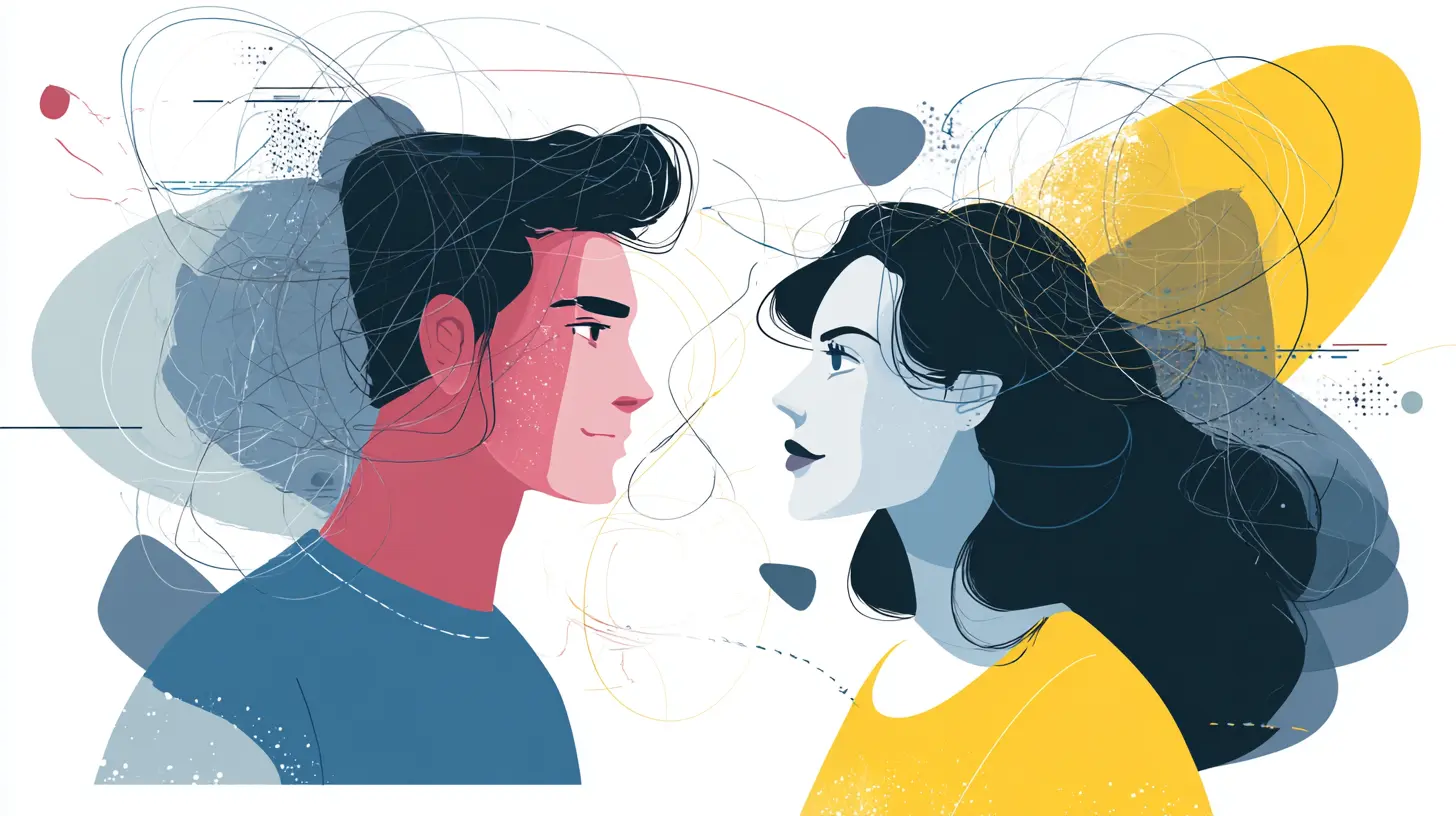
The Psychology of Attraction: It’s Not All Looks
Let’s be honest — good looks may open the door, but they rarely seal the deal. Our minds crave deeper connections.1. Similarity vs. Complementarity
You’ve heard the saying: “Opposites attract.” Well, science says... sometimes.- Similarity: Research consistently shows that we’re more likely to be attracted to people who share our values, beliefs, and interests. It creates comfort, stability, and easier communication.
- Complementarity: But there’s also a spark when someone brings out a side of you that’s underdeveloped — like the introvert drawn to the extrovert. It’s about balance.
In reality, both play a role. At the start, similarity pulls us in. Over time, complementary traits help the relationship thrive.
2. Attachment Styles
Our early relationships shape how we connect as adults. There are 4 major attachment styles:- Secure: Comfortable with emotional intimacy.
- Anxious: Craves closeness but fears abandonment.
- Avoidant: Struggles with vulnerability.
- Fearful-avoidant: Wants connection but is scared of getting hurt.
We’re often drawn, unconsciously, to people whose attachment styles reflect (or challenge) our own. Ever wonder why you keep falling for emotionally distant people? This might be why.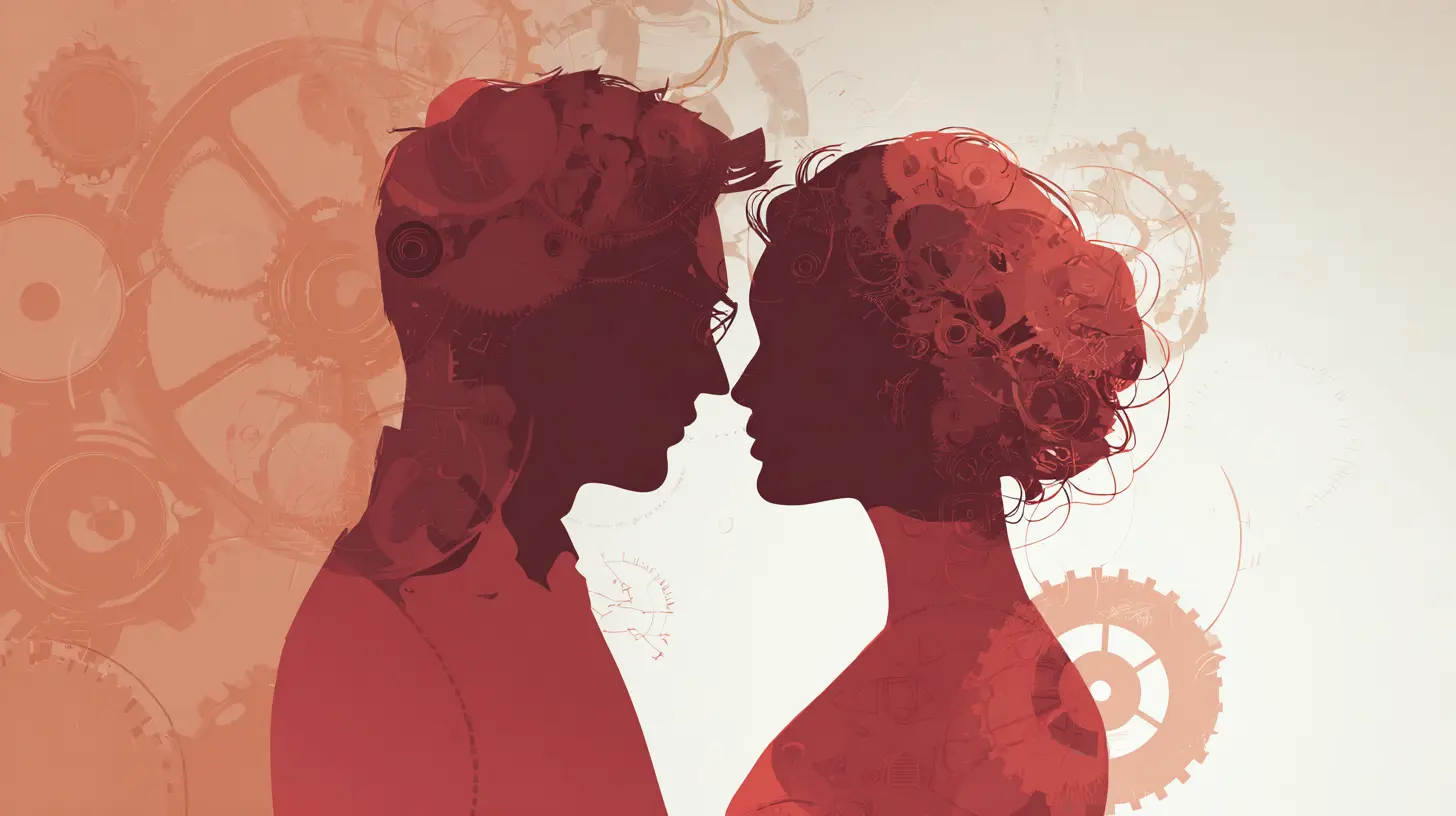
Social and Cultural Factors: The Subtle Influencers
Attraction isn’t just personal — it’s social. The culture we grow up in, the people we spend time with, and the stories we’re told all shape what (and who) we’re drawn to.1. Proximity and Familiarity
Let’s talk logistics. People often fall for co-workers, classmates, or friends — not because they’re the only options, but because repeated exposure breeds connection. Psychologists call this the “mere-exposure effect.” The more we’re around someone, the more we tend to like them.Yep, those lunchroom convos with your co-worker? That’s science playing matchmaker.
2. Social Proof and Popularity
Ever noticed that someone suddenly seems more attractive when others find them attractive too? That’s social proof in action — we’re influenced by the opinions of others, even in love. If someone is desired by many, we may subconsciously elevate their value.It’s the same reason a packed restaurant seems better than the empty one next door.
The Role of Body Language and Non-Verbal Cues
Words are powerful, but attraction often speaks through silent cues. Body language, tone, touch, eye contact — they all matter more than we think.- Eye Contact: Prolonged gazes can release oxytocin and increase emotional bonding.
- Mirroring: When someone subtly mimics your movements, it signals rapport and attraction.
- Posture and Gestures: Open body language makes someone appear more trustworthy and confident.
These cues happen subconsciously, and they often show attraction before a single word is spoken. It's all about reading (and sending) the right signals.
Physical Appearance: Yes, It Does Matter (But Not the Way You Think)
Let’s not dance around it — attraction starts with the surface. But it’s not just about traditional beauty standards.1. Facial Symmetry
Studies show that symmetrical faces are perceived as more attractive because they signal good health and genetic stability. It’s a quick, primal cue that our brains pick up on.2. The Golden Ratio
Believe it or not, some features follow mathematical proportions considered universally attractive — the so-called "Golden Ratio." Think of it as beauty by numbers.3. Unique Features
However, what’s considered attractive is heavily influenced by personal preference and cultural trends. For some, a gap-toothed smile or a crooked nose is what makes someone irresistible.Here's the kicker: we tend to find people more attractive the more emotionally attached we become. Love really does change how we see someone.
Does Chemistry Really Exist?
We’ve all said it, right? “We had amazing chemistry.” But what is that spark?Chemistry is that effortless connection that feels electric, easy, and exciting. It’s a mix of physical attraction, emotional compatibility, and psychological resonance. You feel “in sync,” your conversations flow, and everything just makes sense.
And yeah, it’s real. But here’s the thing — chemistry is the sizzle, not the steak. It gets things started, but it doesn’t guarantee a lasting connection. Compatibility, shared values, and communication carry the relationship past the honeymoon phase.
Can You Build Attraction Over Time?
Absolutely. Attraction isn’t always an instant lightning bolt. In fact, many healthy and lasting relationships start slow and build momentum.Familiarity, shared experiences, emotional safety, and trust can all deepen attraction over time. That’s why people often fall for friends or co-workers — the emotional intimacy grows first, and the physical spark follows.
So yes, the “slow burn” can be just as powerful — even more meaningful sometimes — than love at first sight.
Final Thoughts: Attraction Is a Dance of Mind, Body, and Culture
At the end of the day, attraction is beautifully complex. It’s not just one thing — it’s a blend of biology, psychology, and social influence, stirred up with our own unique flavor of life experiences.Whether it’s a pheromone-rich tug, a shared laugh, or a lingering eye contact across the room, the forces that draw us to our partners are both scientific and magical.
So the next time your heart races for someone, pause and smile — because behind those feelings is a dance as ancient and intricate as humanity itself.
all images in this post were generated using AI tools
Category:
RelationshipsAuthor:

Janet Conrad
Discussion
rate this article
1 comments
Raine Dorsey
Great overview. It's fascinating how attraction blends biology, like facial symmetry, with psychology, such as shared values and emotional safety.
April 30, 2026 at 3:05 AM
Janet Conrad
Thanks for your thoughts! It is intriguing how biology and psychology intertwine in attraction. Each aspect adds depth to our understanding of relationships.