Why Thinking Too Much Can Leave You Mentally Exhausted, According to Psychology
February 7, 2026 - 23:56
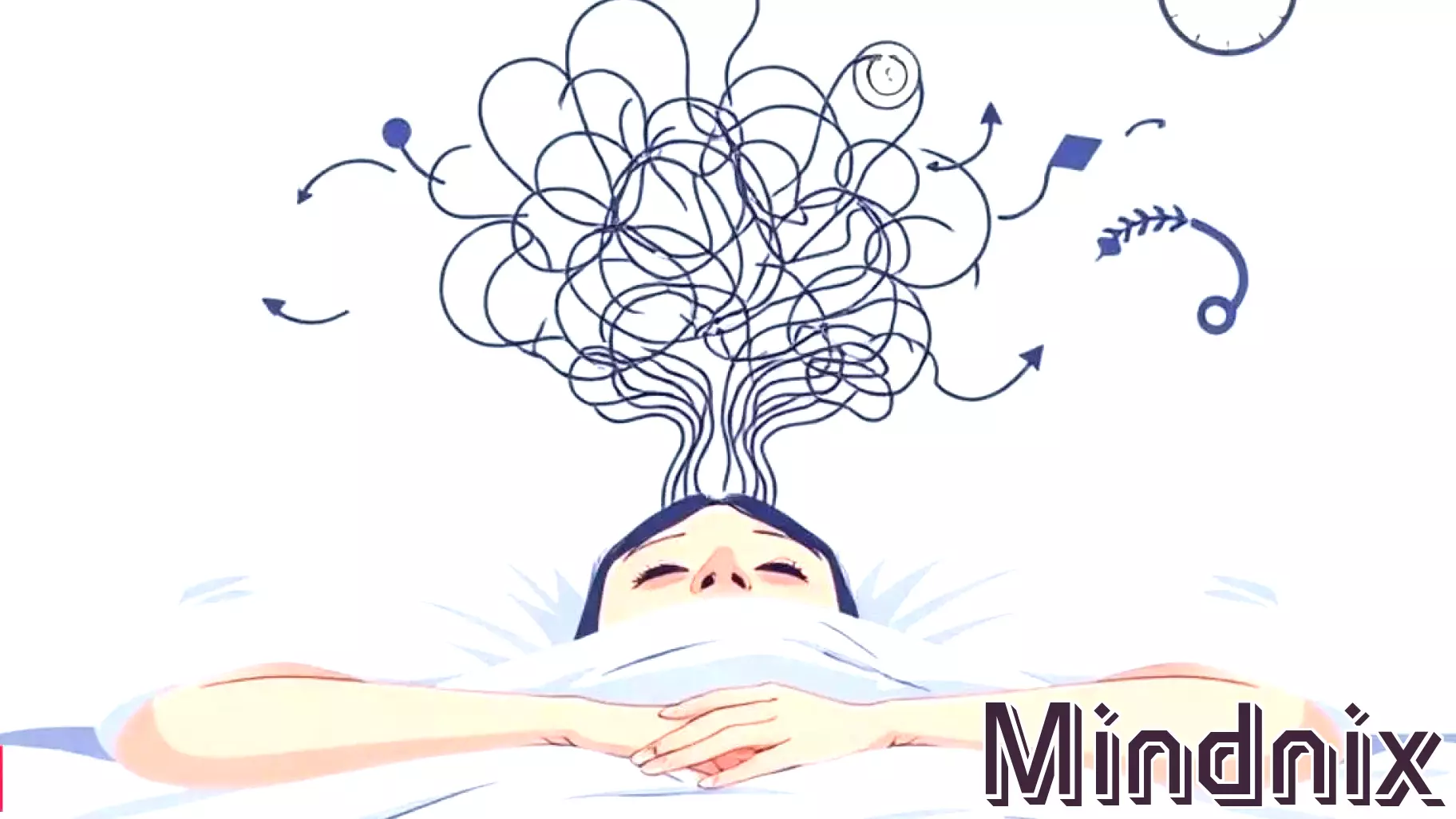
Psychology reveals a clear culprit behind mental exhaustion: the relentless cycle of overthinking. Known as rumination, this process of repetitive, unproductive thought acts like a hidden drain on your cognitive resources, leaving you feeling profoundly fatigued.
Your brain operates with finite mental energy, much like a muscle. When engaged in constant analysis, worry, or dwelling on past events, it consumes this fuel without providing resolution. This isn't merely a feeling; it triggers a physiological response. The brain's stress systems remain on high alert, releasing hormones like cortisol, which over time leads to both mental and physical tiredness.
Ironically, rumination often feels productive, as if solving a problem. In reality, it traps you in emotional loops, prolonging distress and preventing recovery. The mind requires periods of rest and disengagement to replenish its capacity. Without these breaks, the continuous cognitive load ensures that exhaustion sets in, impairing focus, decision-making, and emotional resilience. The key takeaway is that mental energy is a precious commodity requiring conscious conservation and recovery.
MORE NEWS

August 6, 2026 - 19:58
Educational psychologists warn of growing pressure on children's servicesEducational psychologists are raising concerns that growing backlogs in Education, Health and Care Needs Assessments, or EHCNAs, are forcing them to abandon early intervention work. The mounting...

August 6, 2026 - 00:27
Worried about interrupting someone’s scrolling? Here’s what experts thinkIt happens dozens of times a day. You need to ask a quick question, but the other person is buried in their phone, thumb gliding through a feed. You hesitate. Is it rude to break their focus? Or is...

August 4, 2026 - 20:02
How Emotionally Intelligent People Manage Their EmotionsLetting emotions spiral out of control is uncomfortable and a fast track to damaging your closest relationships. We have all had moments where frustration or anxiety took the wheel, and the...

August 4, 2026 - 01:01
The Ketamine ParadoxKetamine has become one of the most talked-about treatments in psychiatry, and for good reason. When given under medical supervision, it can lift severe depression and quiet suicidal thoughts...